


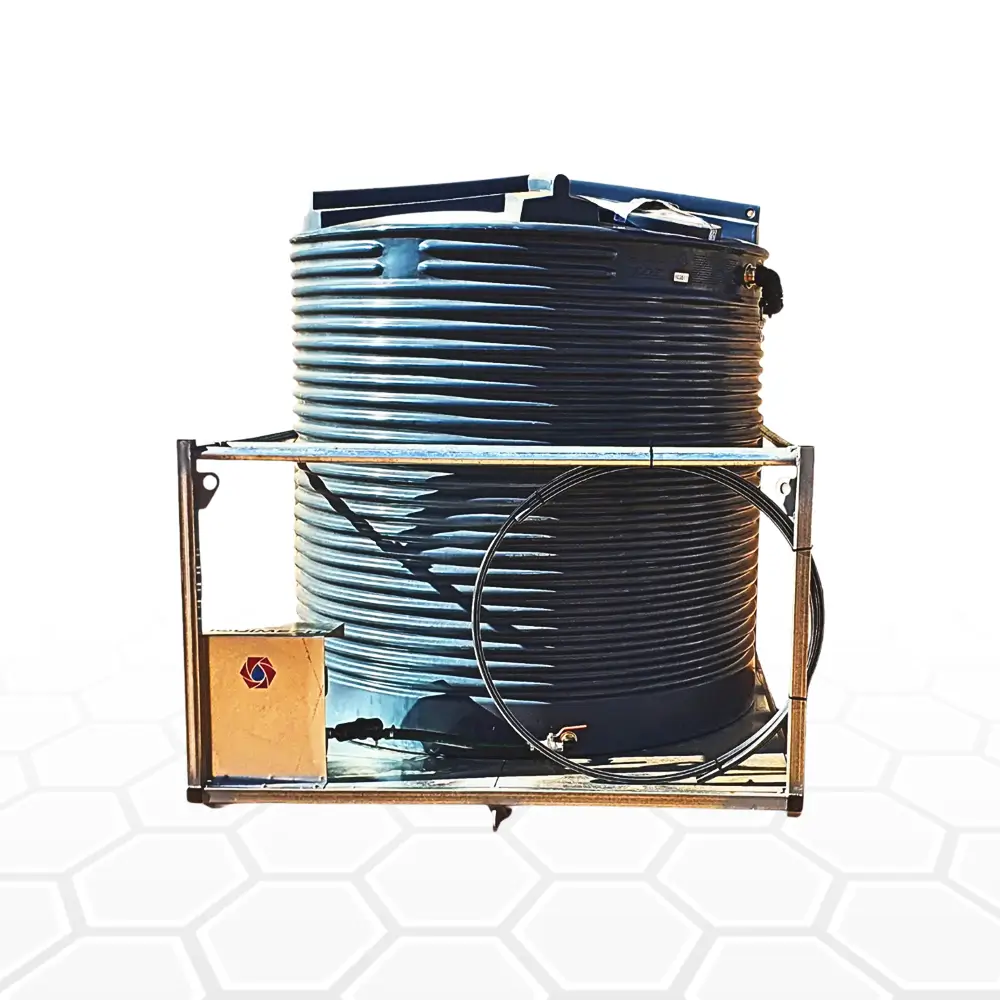


From remote agricultural sites to industrial facilities and commercial properties, knowing exactly how much water you have, and how it’s being used; is essential for efficiency, sustainability, and risk management.
Yet many operations still rely on manual checks, visual tank gauges, or reactive maintenance. This approach leads to unexpected shortages, undetected leaks, wasted capacity, and costly downtime.
A smart water monitoring system changes that.

By combining advanced sensors, connectivity, and intelligent data processing, modern water monitoring systems provide real-time visibility into tank levels, flow rates, pressure, and system performance; giving operators the control they need to make informed decisions instantly.
At Liquimech, we design and deliver practical, engineered water monitoring solutions that improve reliability, reduce waste, and protect critical water infrastructure.
Why Water Monitoring Matters More Than Ever
Water management is no longer optional; it is operational risk management.
Without accurate monitoring, businesses and property owners often face:
- Unexpected tank depletion
- Undetected leaks causing water loss
- Pump dry-running damage
- Overflows and wasted storage capacity
- Inaccurate irrigation scheduling
- Reduced asset lifespan
A properly implemented smart water monitoring system provides:
- Real-time tank level visibility
- Water flow and pressure monitoring
- Early leak detection
- Improved drought preparedness
- Better irrigation and pump control decisions
- Data-driven operational planning
“Instead of reacting to problems, you prevent them”.

What Is a Smart Water Monitoring System?
A smart water monitoring system is an integrated solution that uses sensors, wireless communication, and data analytics to continuously measure and report water system performance.
It allows users to remotely monitor:
- Tank Levels
- Water pressure
- Flow rate and total volume used
- Pump activity and runtime
- Irrigation system performance
- Usage timestamps (who/what uses water, time, and date)
Data is transmitted to secure dashboards or mobile interfaces, allowing operators to track usage trends and respond immediately to irregularities.
Unlike manual inspection, smart systems provide continuous visibility; not occasional snapshots.

Key Components of an Effective System
For a smart water monitoring system to operate efficiently, several components must work together seamlessly.
1. Sensors
Sensors measure critical water parameters such as:
- Level
- Flow rate
- Pressure
- Temperature
- Optional water quality indicators (where required)
These sensors are positioned strategically within tanks, pipelines, or pump systems.
2. Connectivity Modules
Wireless communication enables data transmission via:
- Cellular networks
- Wi-Fi
Connectivity choice depends on site conditions, coverage, and operational requirements.
3. Cloud Data Platform
Data is securely transmitted and processed through cloud-based systems where it is:
- Stored
- Analysed
- Converted into actionable insights
- Visualised in dashboards
This allows long-term trend analysis and performance benchmarking.
4. User Interface
Web dashboards and mobile apps provide:
- Real-time tank level tracking
- Alert notifications
- Historical data reports
- Custom threshold settings
- User and admin access
- Detailed consumption volume tracking
This ensures usability for operators, managers, and maintenance teams.
How a Smart Water Monitoring System Works
Here is the simplified operational flow:
- Continuous Data Collection
Sensors measure water levels, flow, and pressure in real time. - Wireless Transmission
Data is securely transmitted to a central cloud gateway. - Processing and Analysis
Intelligent algorithms analyse trends and detect irregularities. - Alerts and Notifications
If levels drop unexpectedly or pressure changes indicate a leak, alerts are sent instantly. - Immediate Decision-Making
Operators can respond quickly; adjusting pumps, scheduling maintenance, or investigating issues.
This automation significantly reduces the risk of unnoticed failures.
Preventing Costly Water System Failures
One of the biggest advantages of a smart water monitoring system is early detection.
For example:
- A slow leak in a remote pipeline can remain undetected for weeks without monitoring.
- A pump running dry can suffer severe mechanical damage.
- An overflowing tank can waste thousands of litres of water.
With intelligent monitoring:
- Abnormal flow patterns trigger alerts.
- Pressure drops indicate possible leaks.
- Tank level thresholds prevent overflow or depletion.
Early detection reduces repair costs, protects equipment, and prevents operational disruptions.

Applications Across Industries
Smart water monitoring systems are now widely used across Australia in multiple sectors.
1. Agriculture & Irrigation
Farmers rely on accurate water supply for crop health and livestock. Smart monitoring enables:
- Real-time tank and trough monitoring
- Precision irrigation scheduling
- Reduced water waste
- Improved drought management
By monitoring soil and water conditions, irrigation becomes data-driven rather than reactive.
2. Industrial & Manufacturing Facilities
Industrial processes often depend on consistent water flow and pressure. Monitoring ensures:
- Pump performance visibility
- Leak detection
- Water consumption tracking
- Compliance with internal sustainability targets
This supports operational continuity and efficiency.

3. Mining & Construction Sites
For remote mining operations, construction sites, or heavy industrial projects, smart monitoring delivers:
- Mobile access to eliminate unnecessary site visits
- Instant alerts to prevent outages or low levels
- Real-time tank and trough visibility from anywhere
- Detailed consumption tracking (volume, time, date, and usage patterns)
- Custom thresholds for proactive maintenance
- restricted access for stand pipe water carts
This ensures reliable water supply without constant physical checks, saving time and costs.
4. Municipal & Infrastructure Systems
Urban water distribution networks use monitoring to:
- Detect pressure variations
- Identify pipeline leaks
- Manage water distribution efficiently
- Improve service reliability
- Water consumption tracking
Manual Monitoring vs Smart Monitoring
Traditional monitoring methods rely on physical inspection.
While simple, they have clear limitations:
- No real-time alerts
- Human error risk
- Delayed problem detection
- Inefficient resource management
A smart water monitoring system eliminates these gaps by delivering:
- Continuous monitoring
- Automated alerts
- Data-driven insights
- Remote accessibility
It transforms water management from guesswork into measurable control.

The Business Case for Smart Water Monitoring
Investing in a smart water monitoring system is not just about technology — it’s about protecting assets.
The long-term benefits include:
- Reduced water loss
- Lower maintenance costs
- Extended pump and infrastructure lifespan
- Improved operational efficiency
- Stronger sustainability performance
- Increased water security during drought
When water is critical to operations, visibility equals control; and control equals reliability.
Why Choose Liquimech
Liquimech brings practical engineering expertise to water management.
Our approach focuses on:
- Site-specific system design
- Reliable industrial-grade sensors
- Scalable connectivity solutions
- Clear, usable dashboards
- Integration with pumps and irrigation systems
- Long-term operational support
We do not believe in one-size-fits-all solutions. Each smart water monitoring system is configured to suit the operational demands of the site; whether agricultural, industrial, or commercial.

The Future of Water Management
Water scarcity, regulatory pressure, and operational efficiency demands are increasing across Australia.
Smart monitoring is no longer a luxury; it is becoming essential infrastructure.
Organisations that invest in intelligent water visibility today gain:
- Greater resilience
- Reduced operational risk
- Better resource planning
- Improved sustainability outcomes
A smart water monitoring system provides the clarity needed to manage water responsibly and efficiently in an increasingly resource-conscious world.
Take Control of Your Water Supply
If you are managing tanks, pumps, irrigation systems, or industrial water processes, now is the time to move from reactive maintenance to proactive control.
Liquimech’s smart water monitoring solutions provide real-time visibility, intelligent alerts, and data-driven insights to protect your water assets.
Contact Liquimech today to discuss how a tailored smart water monitoring system can enhance reliability, optimise usage, and secure your water infrastructure for the future.


