Wellpoint Dewatering FAQs
What is wellpoint dewatering?
Wellpoint dewatering is a groundwater control method used to temporarily lower and control the water table around excavations. It uses a series of wellpoints connected to riser pipes and a common header pipe, with a dewatering pump drawing groundwater from the surrounding soil.
How does a wellpoint dewatering system work?
A typical wellpoint system uses multiple wellpoints installed around or alongside an excavation at calculated depths and spacing. Each wellpoint connects to a riser pipe, which connects to a common header pipe. A wellpoint dewatering pump then draws groundwater through the system and discharges it to a designated location or, where required, through a water treatment system.
Where is wellpoint dewatering used?
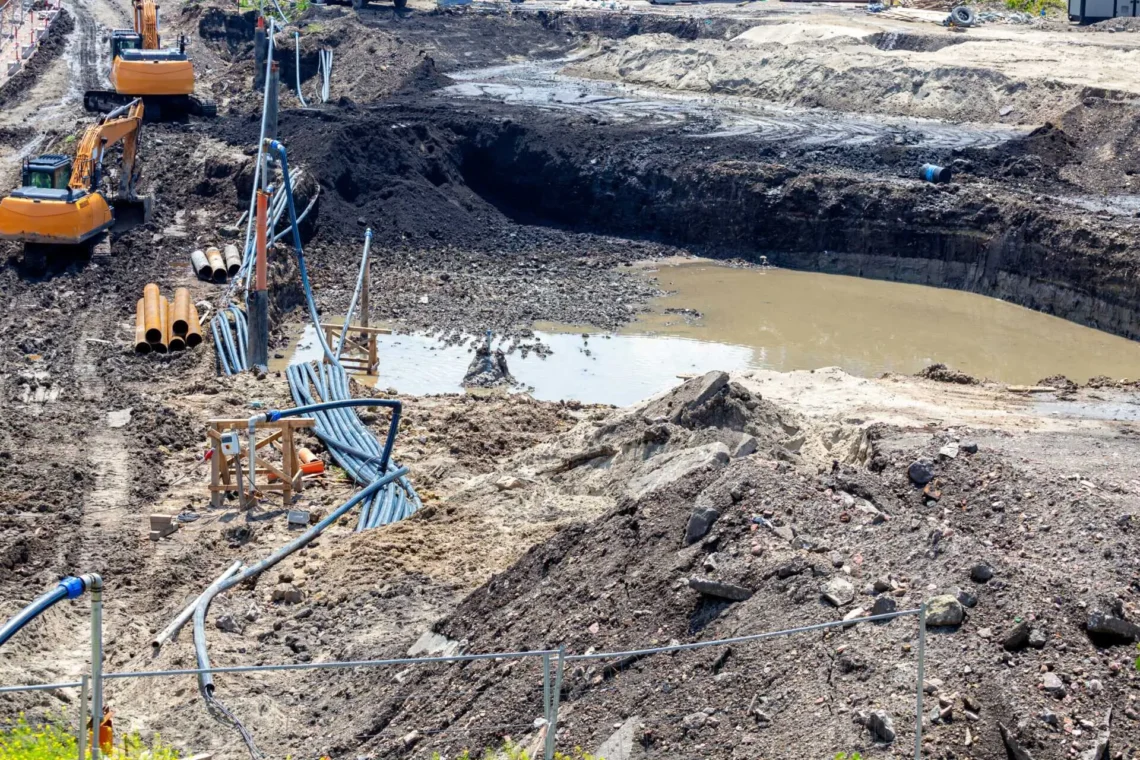
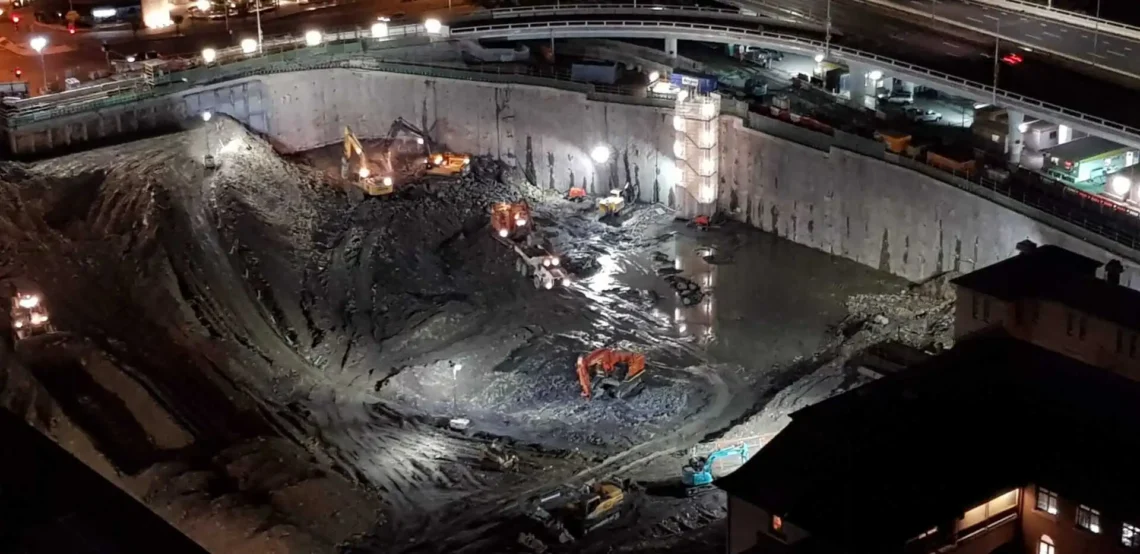
Wellpoint dewatering is commonly used for excavations where groundwater needs to be temporarily lowered or controlled. Typical applications include pipeline construction, trench excavations, shallow foundations, construction sites, mining operations and other below-ground works.
How are wellpoints installed?
Wellpoints can typically be installed using high-pressure water jetting, either by hand or with suitable machinery. The required installation depth and spacing depend on the excavation and site conditions.
What components are used in a wellpoint dewatering system?
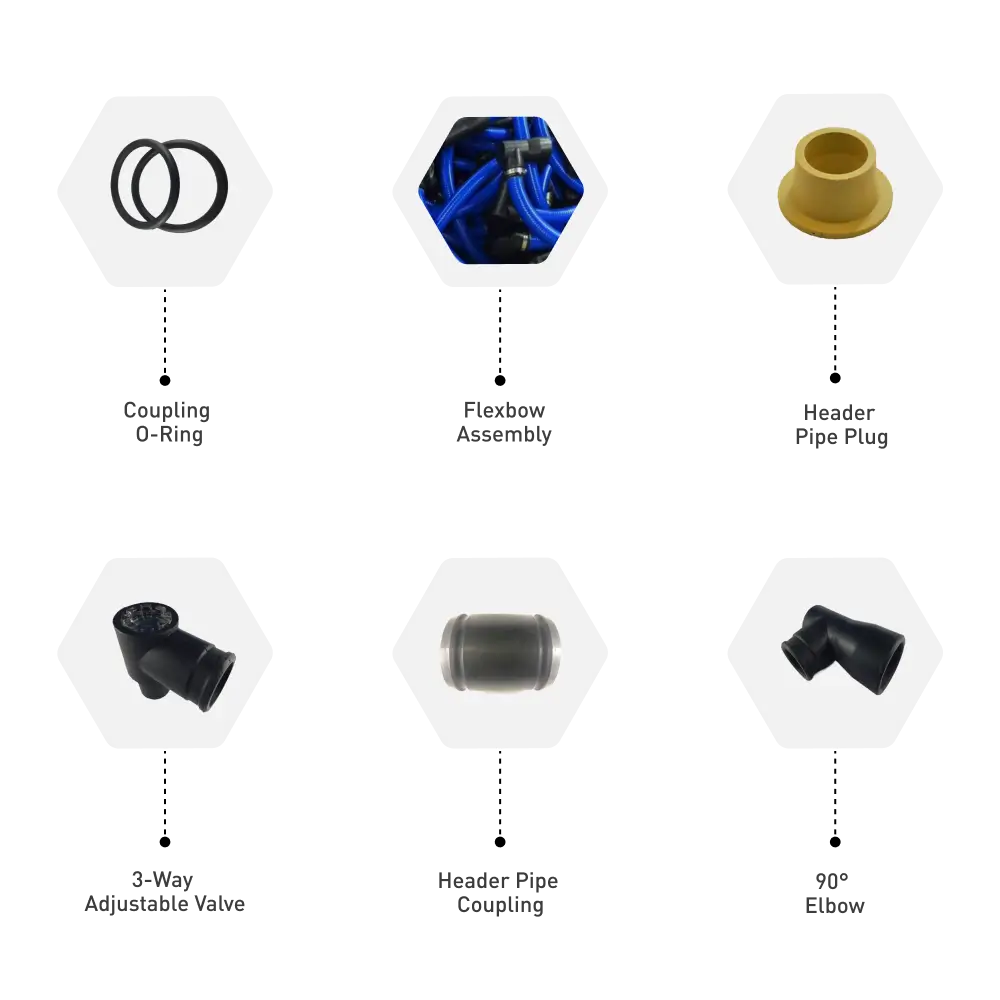
A wellpoint dewatering system can include wellpoint filter skips, riser pipes, header pipes, couplings, O-rings, pipe plugs, 90° elbows, 3-way adjustable valves, jetting heads and tubes, and a suitable dewatering pump. The components are configured according to the requirements of the system and site.
What is a header pipe in a wellpoint dewatering system?
A header pipe is the common collection pipe that connects multiple wellpoint riser pipes to the dewatering pump. It provides a central path for groundwater and air drawn from the wellpoints towards the pumping system.
What is the purpose of an adjustable valve in a wellpoint system?
An adjustable valve helps control the amount of air and water entering the wellpoint system. Proper adjustment helps maintain consistent vacuum conditions and supports effective groundwater draw from the wellpoints.
What are wellpoint header pipe fittings used for?
Header pipe fittings such as couplings, O-rings, pipe plugs, 90° elbows and 3-way adjustable valves are used to connect, seal, configure and control the header pipe network. They help channel groundwater from the wellpoints towards the dewatering pump.
What types of ground conditions can wellpoint dewatering handle?
Wellpoint dewatering systems can be configured for a range of ground conditions, including sand, silt, mud and gravel. The appropriate system configuration depends on the ground conditions, groundwater conditions and excavation requirements.
What happens to the water removed by a wellpoint system?
Groundwater drawn from a wellpoint system is discharged to a predetermined location. Depending on the water quality and project requirements, the discharge may also pass through an appropriate water treatment system before release.
How is a wellpoint dewatering system configured?
The configuration of a wellpoint system depends on factors such as excavation requirements, groundwater conditions, wellpoint installation depth, spacing and pumping requirements. Wellpoints are connected through riser pipes and a header pipe network to provide controlled groundwater extraction.
What wellpoint dewatering equipment does Liquimech supply?
Liquimech supplies a range of wellpoint dewatering products and components, including wellpoint filter skips, riser pipes, header pipes, jetting heads and tubes, and header pipe fittings and accessories. These include couplings, O-rings, pipe plugs, 90° elbows and 3-way adjustable valves.