What Is a Sedimentation Tank?
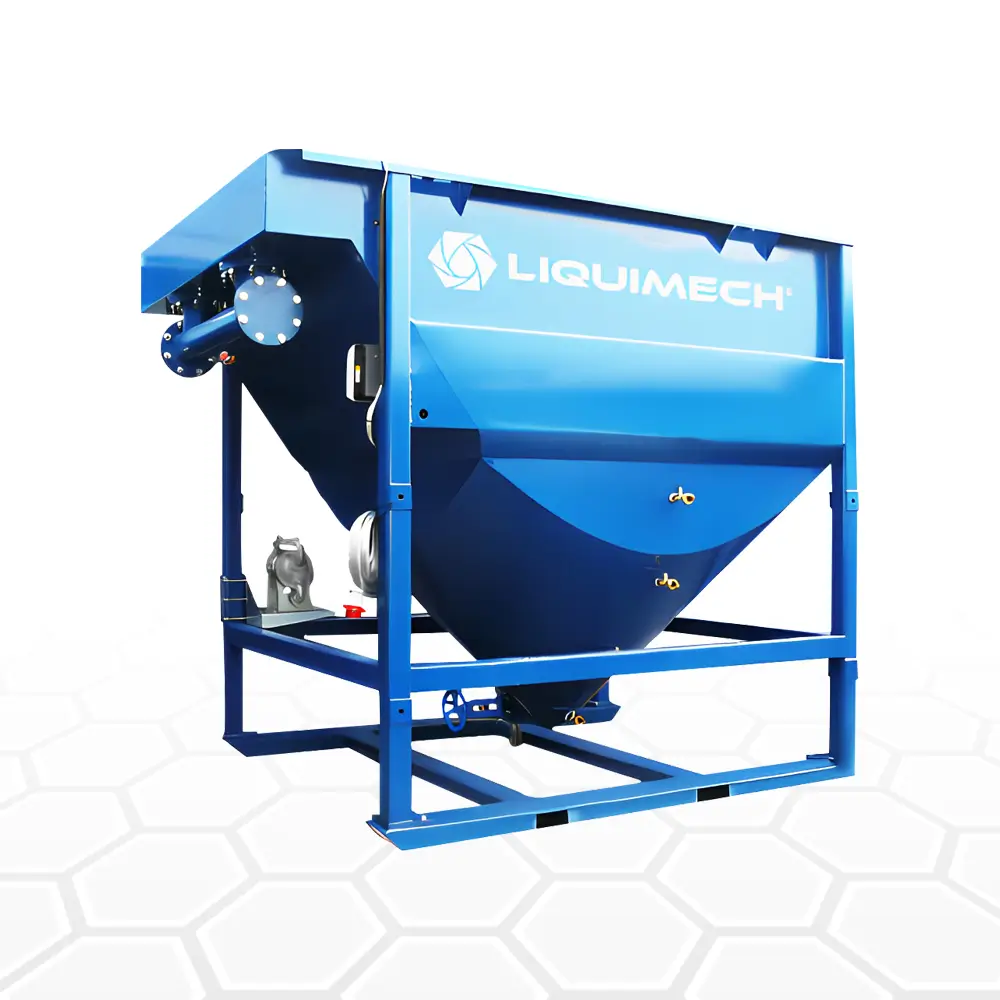
A sedimentation tank is a water treatment vessel that separates suspended particles from process water using gravity. As water slows inside the tank, solids- oils, fuels, silts, and sediment; settle to the bottom. Clarified water exits from the top, clean enough for reuse or compliant discharge.
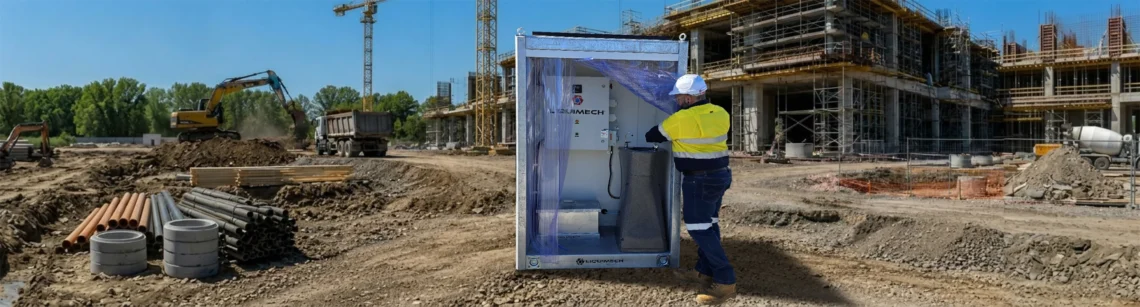
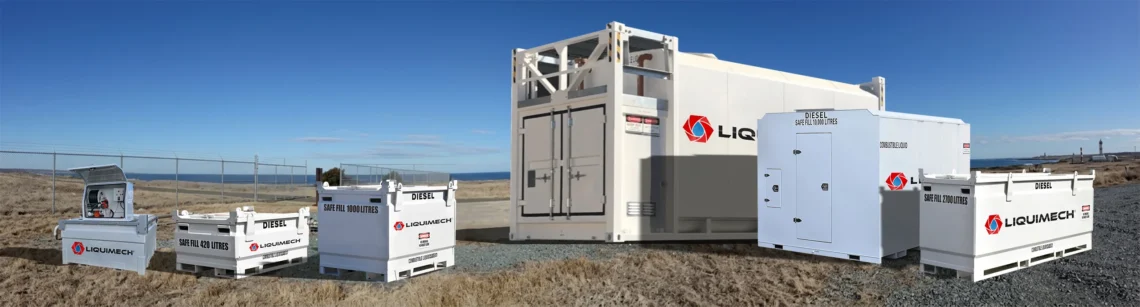
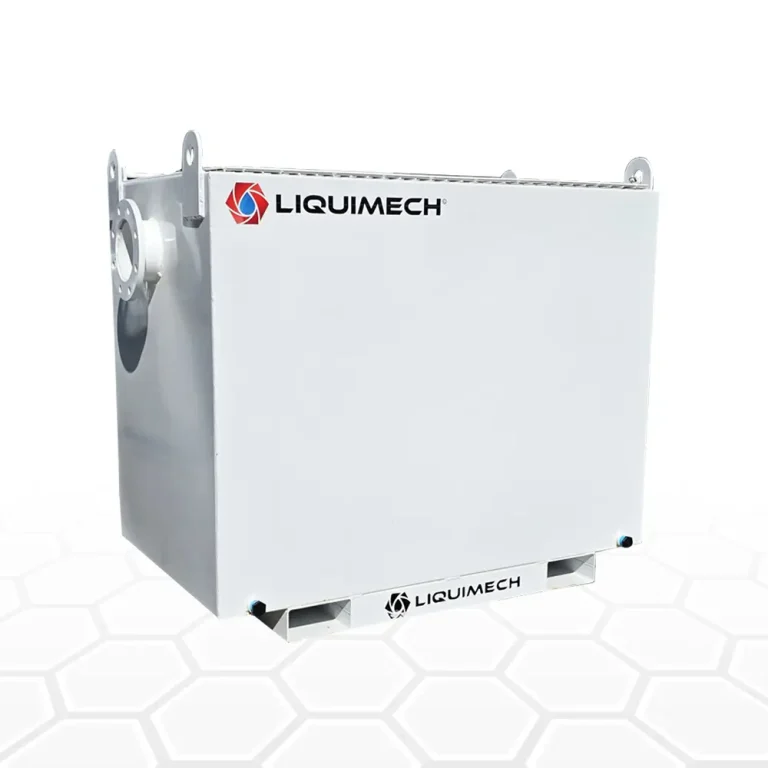
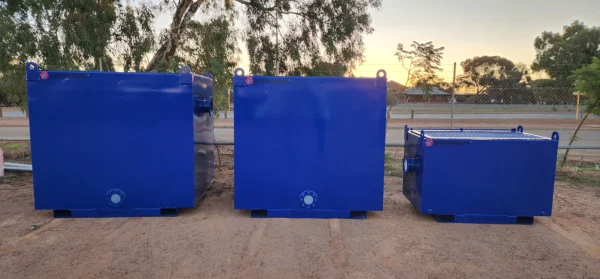
Liquimech sedimentation tanks are manufactured heavy-duty and portable, purpose-built for Australian work sites and harsh field conditions.
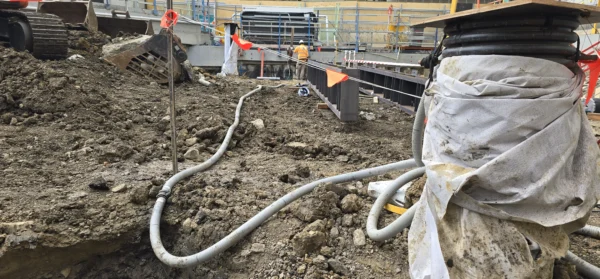
How a Sedimentation Tank Works
The process is straightforward and low-energy:
- Inlet: Contaminated water enters the sedimentation tank
- Settling Zone: Reduced velocity lets gravity pull suspended solids downward
- Sludge Layer: Settled particles accumulate at the tank floor
- Clarified Discharge: Treated water exits from the top
- Sludge Removal: Accumulated solids are periodically cleared from the bottom
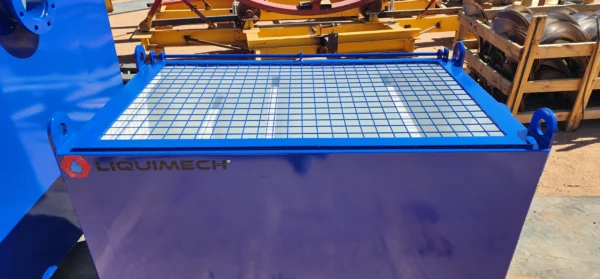
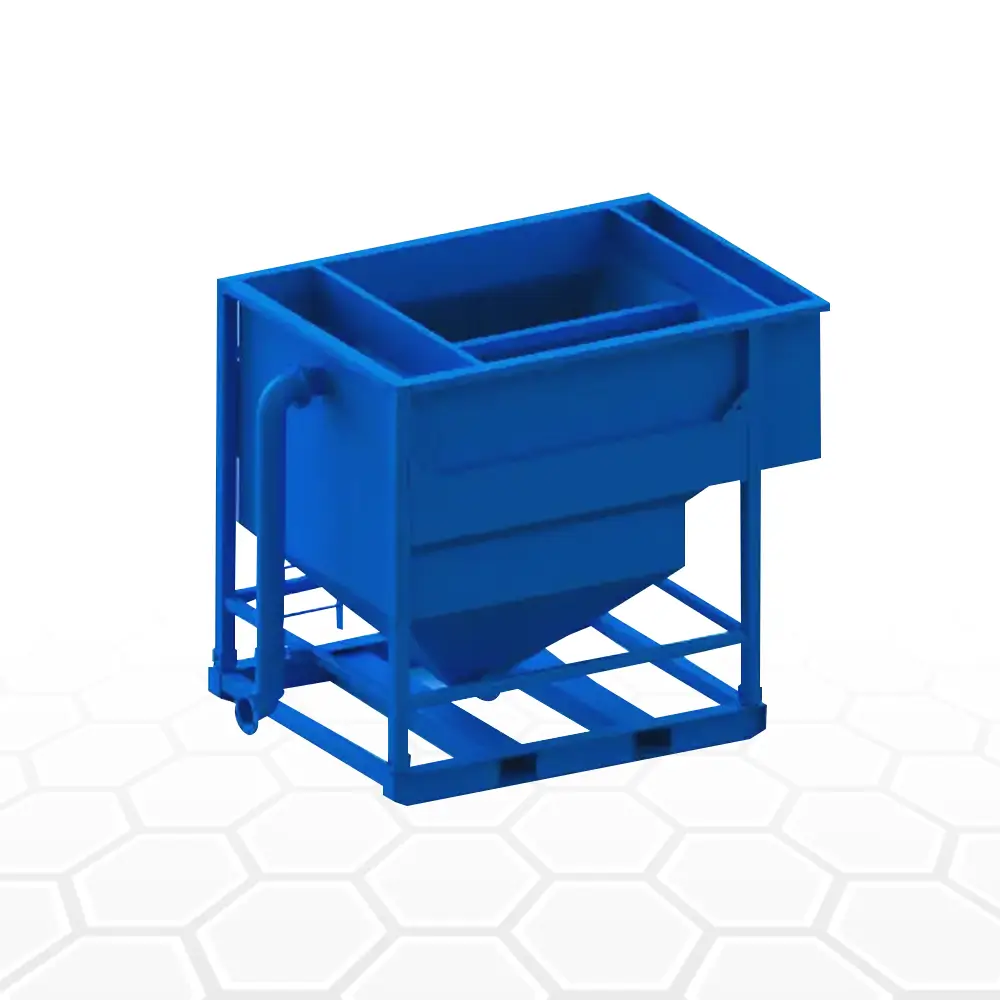
Optional Internal baffles. Liquimech’s configurable 4-baffle system (2 upper, 2 lower) slow water movement and maximise particle separation across the full tank volume. This is what separates a purpose-built sedimentation tank from a standard water tank, which has no settling or separation function.
Primary and Secondary Sedimentation Tanks
In wastewater treatment, sedimentation tanks operate across two distinct stages; each serving a specific role in the treatment sequence.
Primary sedimentation is the first stage. Wastewater is held in the tank, allowing heavier suspended particles to settle at the bottom as sludge. Flocculants added during primary treatment accelerate this process by binding fine particles together into larger, heavier masses that settle faster. The clarified water floating at the surface is then drawn off and discharged to a filter, where the activated sludge process begins.
Secondary sedimentation follows the activated sludge stage. After biological treatment, the water; now carrying smaller, lighter particles, enters a secondary sedimentation tank where those remaining solids are separated and removed before the treated effluent moves to final discharge or further polishing.
Together, primary and secondary sedimentation tanks form the backbone of any conventional wastewater treatment process. For industrial and construction sites, the same gravity-settling principle applies; removing suspended solids before water is reused on site or discharged to the environment.
What a Sedimentation Tank Removes
Liquimech sedimentation tanks are designed to capture and retain:
- Oils and fuels
- Silts and fine sediment
- Suspended solids and dirty water
Preventing these from entering stormwater systems or waterways keeps sites compliant with local government environmental regulations.
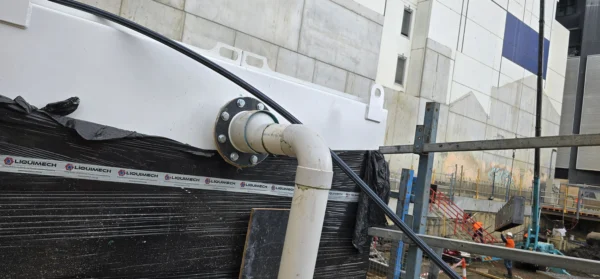
Key Features of Liquimech Sedimentation Tanks
Heavy-duty construction: Built for the harshest on-site conditions. Robust engineering designed for long-term field performance without compromise.
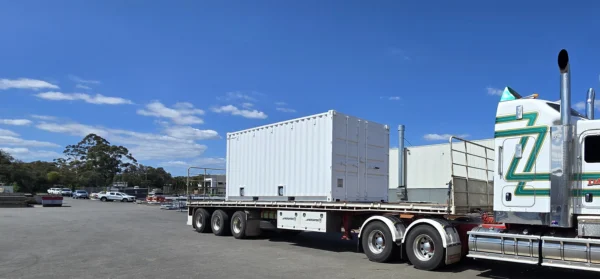
Portable and transport-ready: In-gauge design for road transport. Rated lifting points and fork pockets for fast, safe placement and repositioning.
Plug-and-play system: Fully operational on arrival. No complex installation, no downtime waiting for setup.
Multiple inlet and discharge ports: Flexible connection points to suit varying site layouts and flow configurations.
Customisable baffle system: 4-baffle configuration (2 upper, 2 lower) as standard, tailored to maximise separation efficiency for your specific contaminant load.
Easy cleaning and access: Designed for straightforward maintenance. Additional access systems available where required.
Where Sedimentation Tanks Are Used
Any site generating contaminated water runoff needs a sedimentation tank. Liquimech units are deployed across:
- Construction sites: managing sediment runoff and stormwater before discharge
- Mining operations: treating process water and site drainage
- Civil and infrastructure projects: dewatering compliance and water quality control
- Industrial facilities: process water treatment before reuse or disposal
If suspended solids, oils, or sediment are present in site water, a sedimentation tank is both a regulatory requirement and an operational necessity.
Common Questions About Sedimentation Tanks
What contaminants does a sedimentation tank handle? Oils, fuels, silts, and suspended solids; the primary contaminants generated on construction, mining, and industrial sites. The sedimentation process captures these before water is discharged or reused.
How fast can a sedimentation tank be put to work? Liquimech sedimentation tanks are plug-and-play. They are fully operational immediately on site arrival — no installation lead time, no assembly required.
Can a sedimentation tank move between sites? Yes. In-gauge road transport dimensions, rated lifting points, and fork pockets make Liquimech sedimentation tanks fully portable and easy to redeploy across multiple locations.
Is a sedimentation tank customisable? Liquimech builds to specification. Baffle configuration, inlet and outlet port positions, and access systems are all adjustable to match your site’s flow rates, contaminant profile, and compliance requirements.
Does a sedimentation tank help with environmental compliance? Directly. It prevents the discharge of oils, fuels, silts, and dirty water; meeting local government environmental regulations and protecting downstream waterways.
Why Liquimech
Liquimech sedimentation tanks are Australian-manufactured for Australian conditions; remote mine sites, urban construction zones, and everything in between.
- Custom-engineered to your project’s specifications: not off-the-shelf
- Trusted by Coates, SMS Mining Services, Decmil, and Enviro Pacific
- After-sales and field support included the relationship extends beyond delivery
Specify a sedimentation tank for your next project. Contact Liquimech’s engineering team for a custom-built solution. Call 1300 954 202 or email sales@liquimech.com.au to get a free quote.