In vehicle fleet management, maintaining each vehicle in optimal condition is crucial. Without proper care, vehicles may break down, resulting in costly downtime and lost profits. To prevent these issues, it’s essential to stay on top of your fleet management tasks. Here are five key tips to help keep your fleet running smoothly:
-
Establish a Regular Maintenance Routine
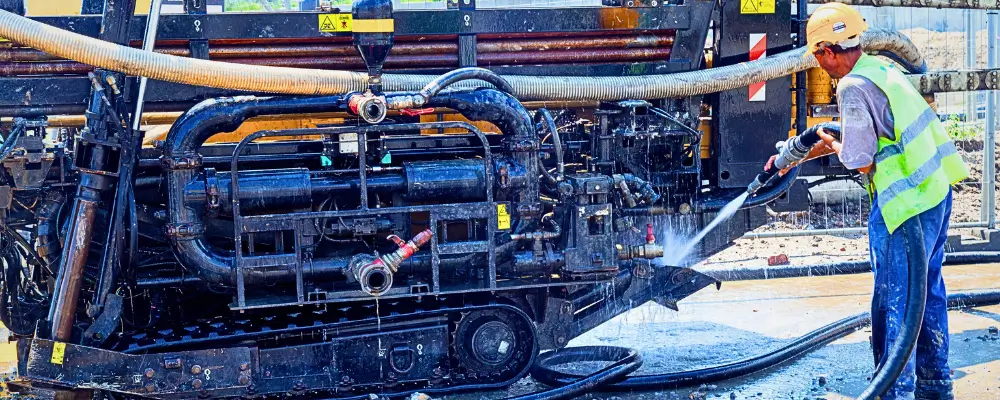 Routine maintenance helps identify potential issues early, reducing the risk of accidents and expensive repairs. Important areas to check include:
- Brakes: Ensure they’re functioning correctly.
- Tyres: Check for roadworthiness and proper inflation.
- Engine: Schedule regular tune-ups, oil changes, and fluid replacements.
Create a checklist for different vehicle types and schedule regular inspections. Keeping detailed records ensures no critical checks are missed, and regular maintenance extends the lifespan of your fleet, cutting down long-term repair costs.
-
Schedule Regular Cleaning
Dirt and debris can accumulate quickly on vehicles, affecting both their appearance and performance. Regular cleaning prevents corrosion and other potential damage. It is advisable to consult an expert like Liquimech to streamline the cleaning process:
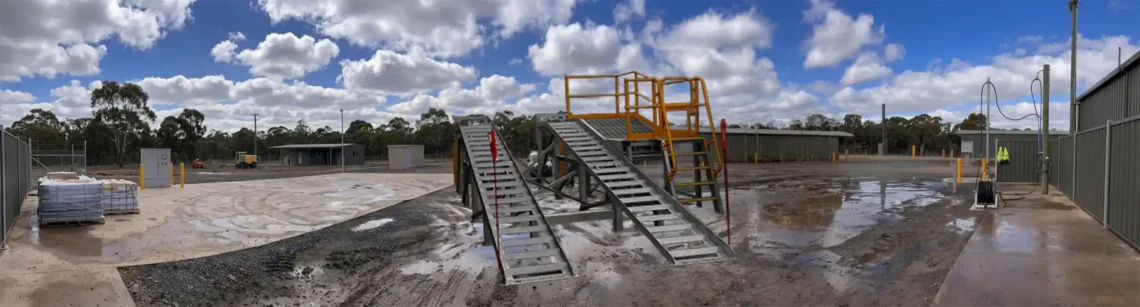
- Light Vehicle Wash Down Ramps: Ideal for smaller vehicles, available in both fixed and mobile options.
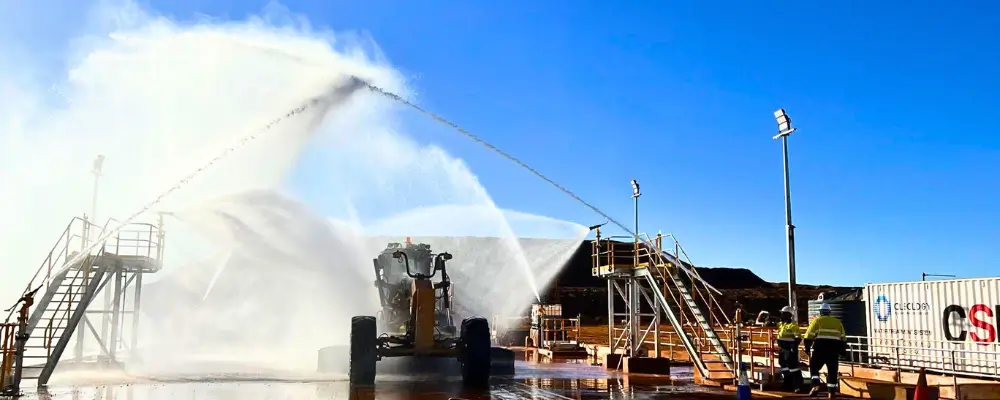
- Wash Down Walkway Systems: Perfect for larger vehicles, featuring a travelling water cannon for thorough and efficient cleaning.
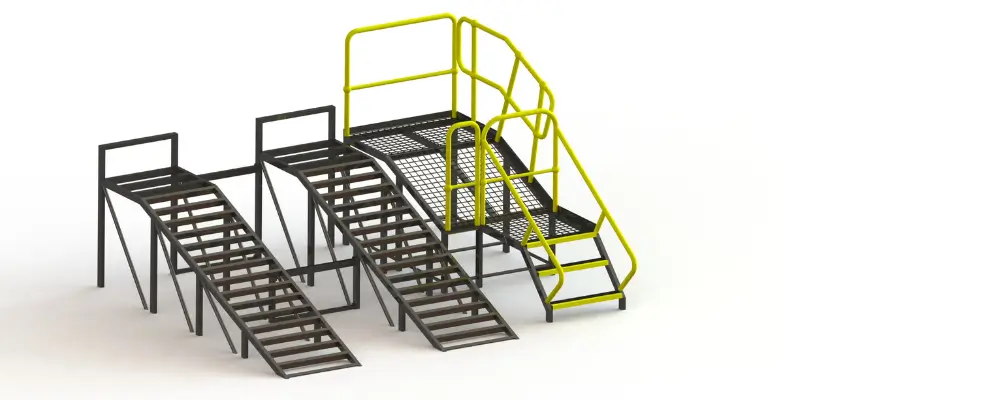
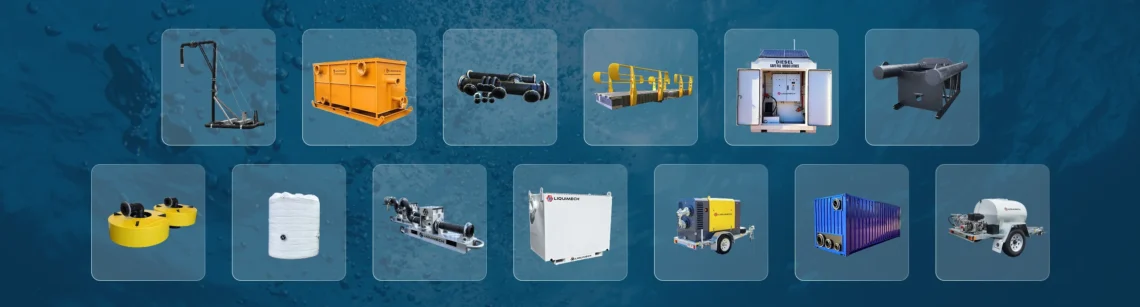
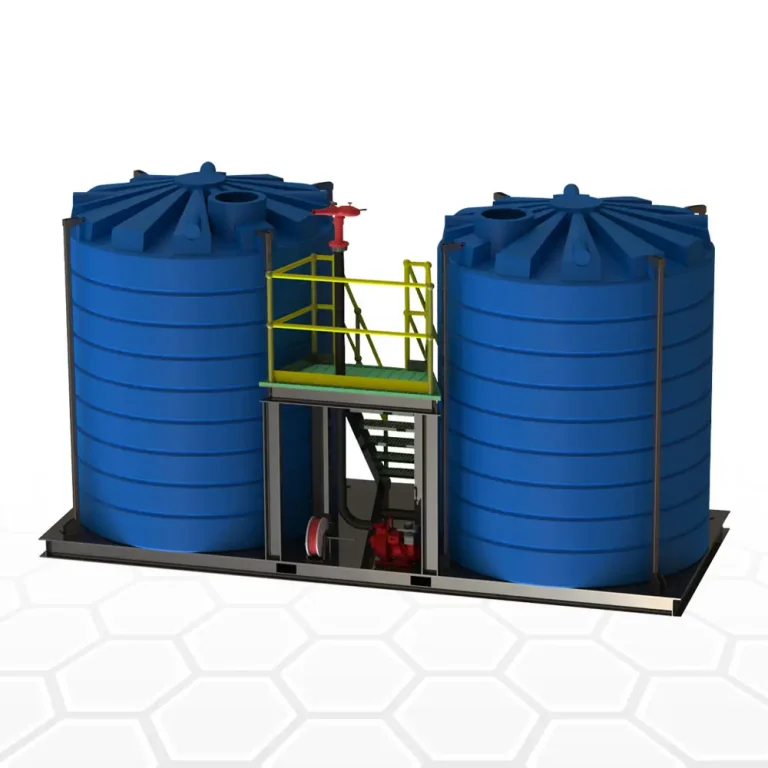
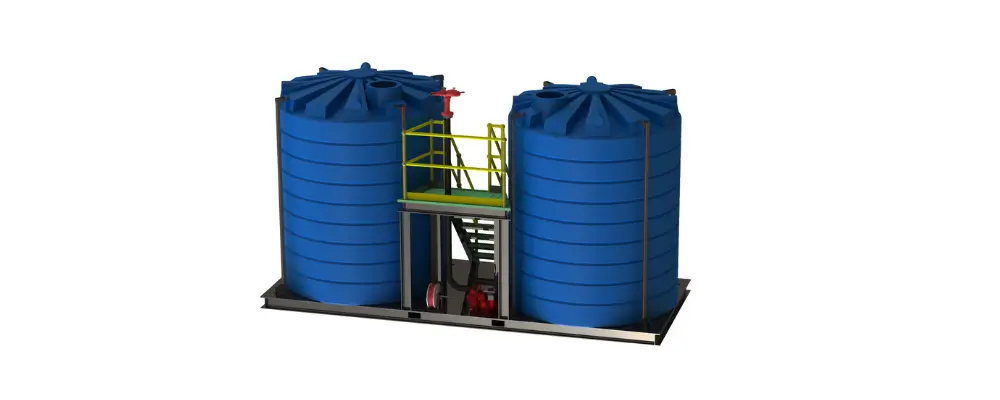
Water amount and pressure are also the main concerns during cleaning. Liquimech’s self-contained wash down systems and trailed washdown & pressure washer unit can both address these concerns, ensuring that you have enough water deployed in the right pressure level for the clean-up—all fully customisable for your specific fleet set-up.
-
Train Your Drivers
Driver training is crucial to maintaining your vehicle fleets. After all, drivers are responsible for the vehicles on the road. A careless driver can wear out or damage a vehicle; worse, complacency can lead to accidents. Invest in driver training programs that cover:
- Defensive driving
- Distraction awareness
- Vehicle inspection before and after trips
Well-trained drivers not only keep your vehicles in good condition but also enhance your company’s public image, as they represent your business on the road.
-
Invest in Quality Parts
If routine inspections reveal parts of a vehicle that need to be repaired or replaced, make sure you invest in quality products. Skimping on vehicle parts can end up costing you more in the long run, as poor-quality parts are prone to breakdowns and further issues. Keeping all vehicle components in top condition results in fuel-efficient fleets that perform well, even under heavy workloads. This helps ensure the longevity of your vehicles, maximising their deployment and saving you money.
-
Maintain Detailed Fleet Records
Conducting regular maintenance, timely part replacements, and driver training is not enough for effective fleet management. It’s also crucial to keep detailed records of these activities. Organised records allow you to track repair history, inspection reports, fuel consumption, part changes, and warranties for each vehicle. This data is invaluable when assessing the cost-efficiency of your fleet and determining whether to expand it.
These records also help monitor the health of each vehicle. For example, if a specific vehicle frequently requires repairs, it may be time for a replacement. Additionally, this information provides insight into which manufacturers offer the most reliable vehicles, especially if your fleet includes different brands.
Vehicle fleets are critical to your operations, so maintaining them in top condition is essential. By following these tips, you can enhance your fleet management process and improve overall efficiency.
For equipment and systems such as light vehicle wash-down ramps, pressure washer units, and more, contact Liquimech. We offer customised solutions tailored to the specific needs of your vehicle fleet.