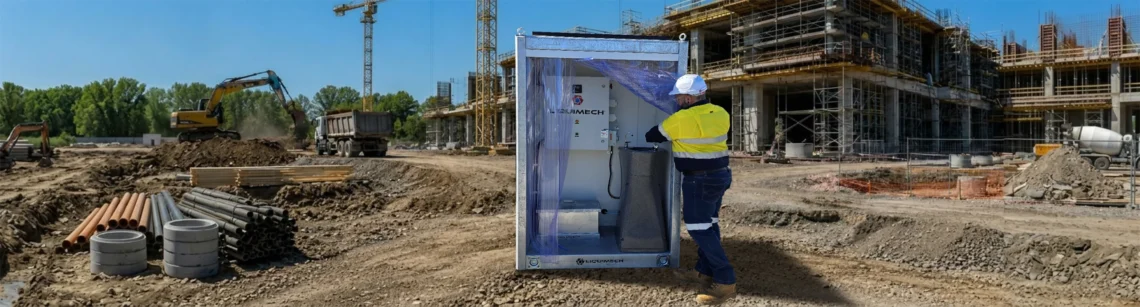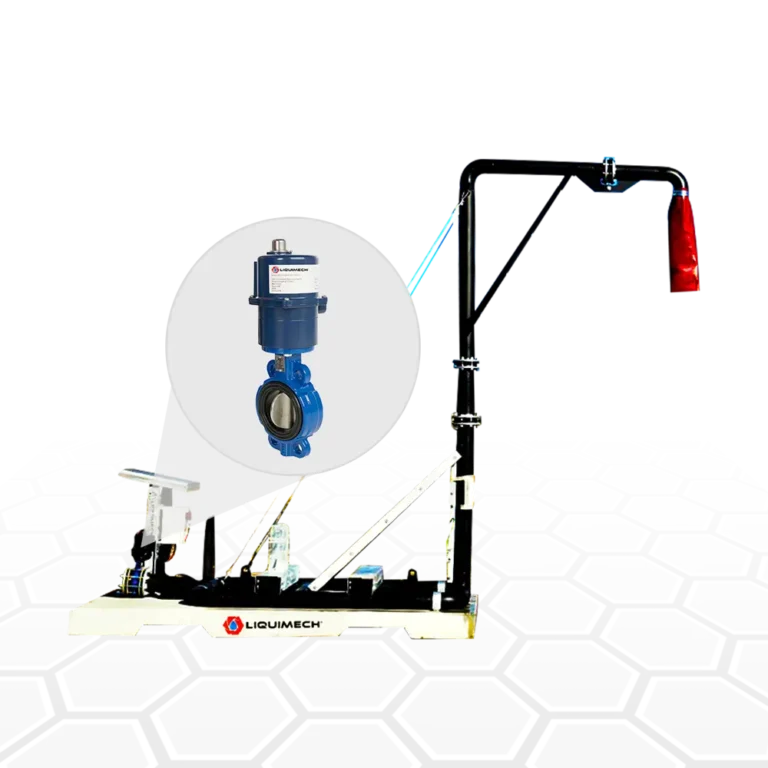
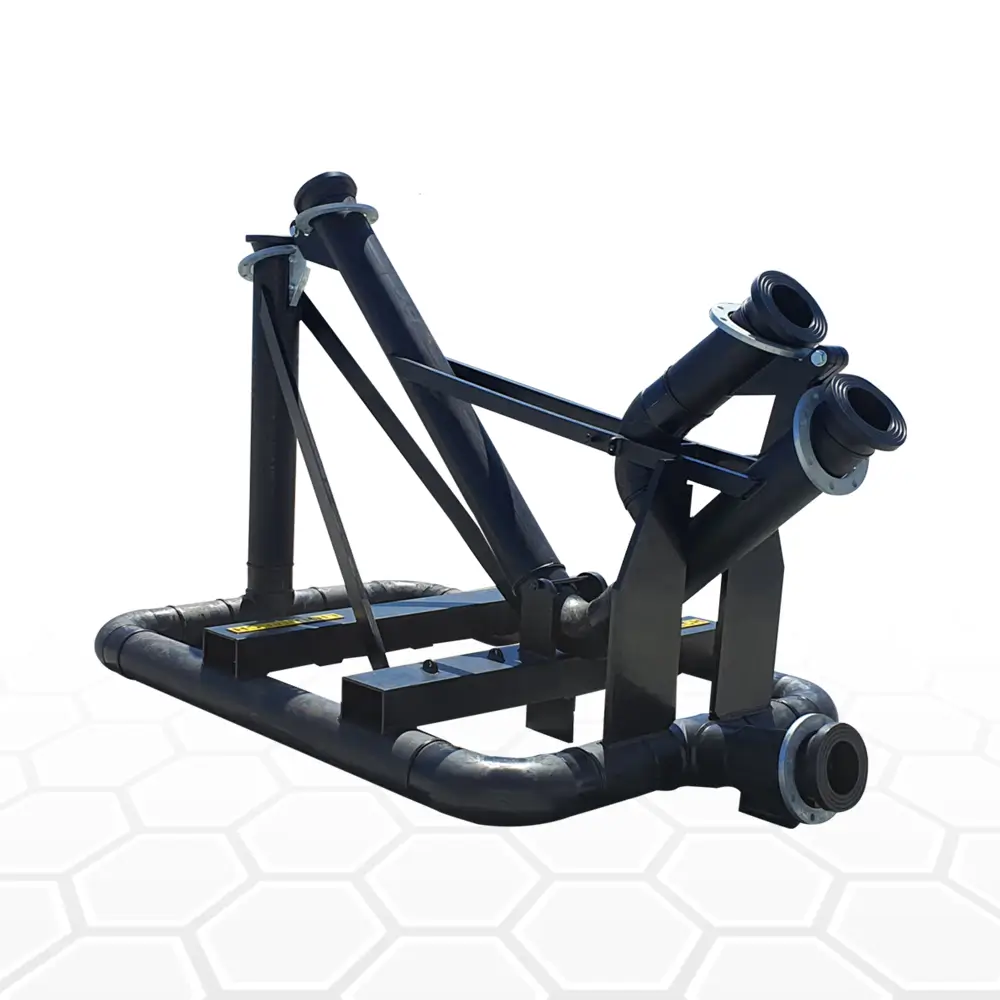

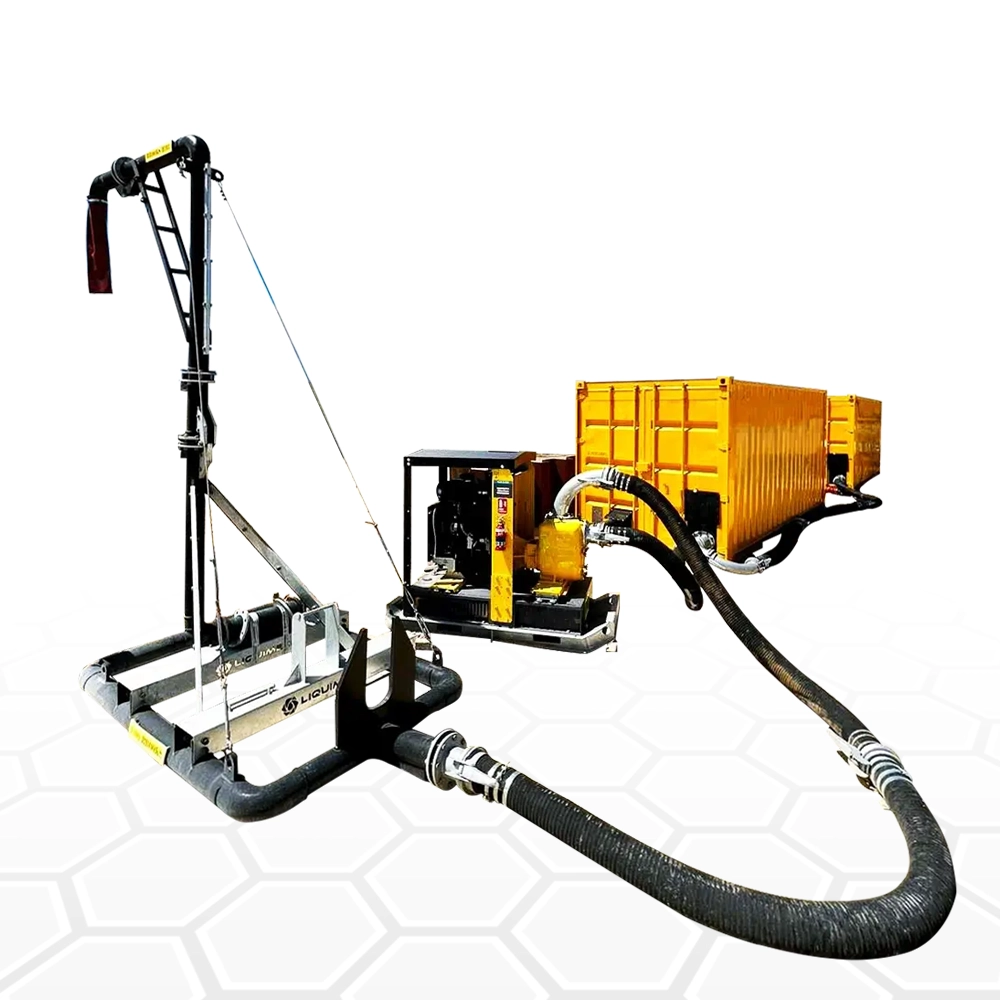
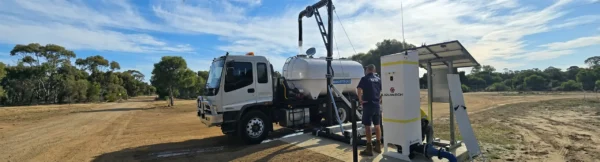
Automated standpipe systems provide a controlled and efficient way to distribute water into heavy water trucks across mining, civil construction and industrial sites. Designed to deliver water from an elevated filling point, these systems support the movement of large water volumes into trucks used for dust suppression, road maintenance, earthworks and general site operations.
Managing water distribution across large or remote sites, however, can be challenging. Manual filling procedures, uncontrolled water access, limited usage visibility and inconsistent supply can create unnecessary operational demands.
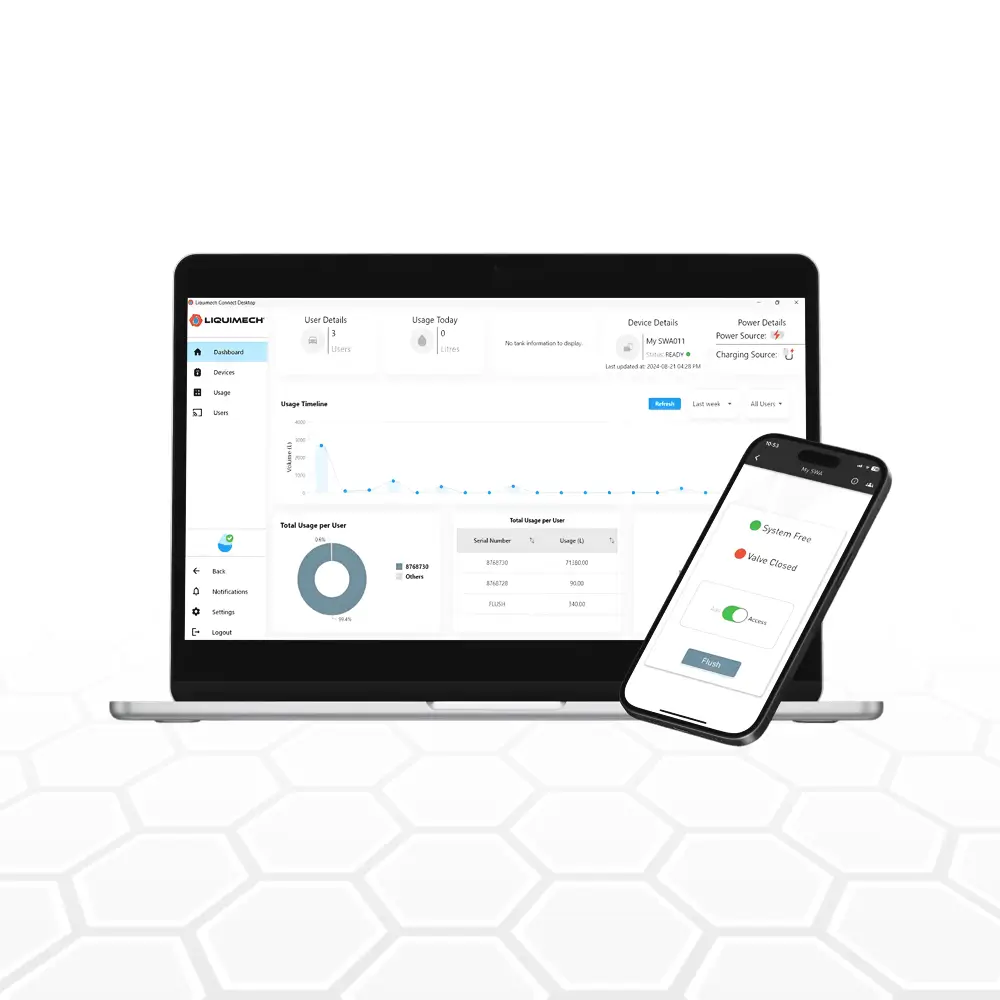
Automated standpipe systems help address these challenges by combining industrial standpipe infrastructure with automated valves, access controls, monitoring equipment and compatible pumping systems. These technologies allow operators to manage water dispensing more effectively, monitor consumption and control water access across designated filling points.
For mining and construction operations, automation can support more organised water truck filling and improved oversight of site water resources.
What Are Automated Standpipe Systems?
Automated standpipe systems are industrial water-dispensing arrangements that combine a physical standpipe or filling point with control and monitoring technology.
Unlike a basic manually operated water outlet, an automated system can incorporate electronic access controls, actuated valves, flow meters, telemetry and software to manage water dispensing.
These components work together to provide greater control over who can access water, when dispensing is permitted and how much water is delivered.
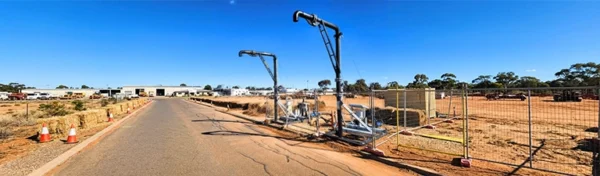
Depending on the configuration, an automated standpipe system may provide:
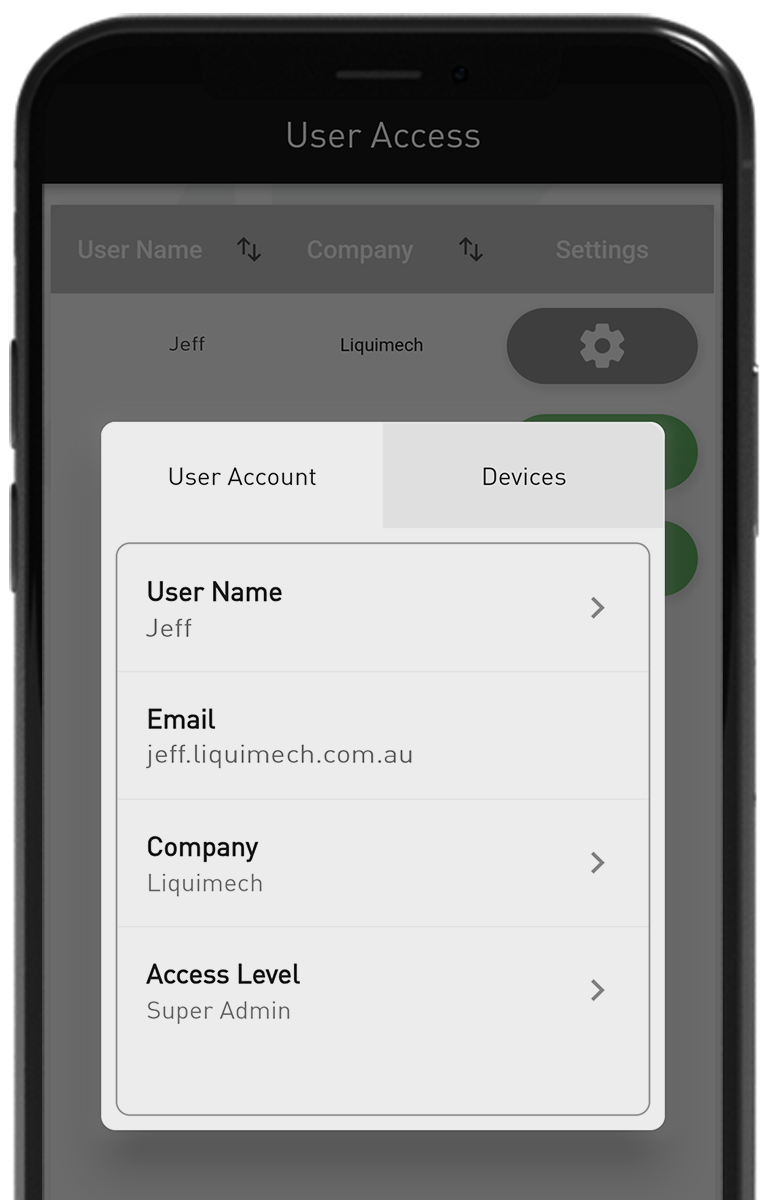
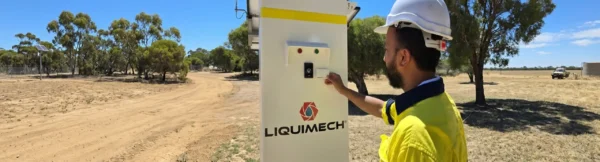
- Controlled water access: Restricts dispensing to authorised users through RFID cards, mobile applications or other access methods.
- Automated valve operation: Uses motorised or actuated valves to control water flow.
- Flow monitoring: Measures water consumption during filling operations.
- Usage records: Captures dispensing information for reporting, accountability and operational analysis.
- Remote monitoring: Provides visibility of system status and water usage through a connected platform.
- Pump integration: Coordinates compatible pumping equipment with the water-dispensing process.
The physical standpipe provides the water delivery point, while the automation equipment manages selected control, monitoring and access functions.
The level of automation depends on the application, installed components and site operating requirements.
How Do Automated Standpipe Systems Work?
An automated standpipe system uses connected hardware and control technology to manage water dispensing.
Although configurations vary, a typical arrangement includes a water supply, filling infrastructure, automated control valve, access interface and flow-monitoring equipment.
A typical operating sequence involves the following stages:
1. User Authentication
The operator identifies themselves using an authorised access method, such as an RFID card or mobile application. The control system verifies the user’s permissions before allowing dispensing.
2. System Activation
Once access is authorised, the system enables the dispensing process. Depending on the configuration, the operator may need to confirm the start command through a physical control or mobile interface.
3. Automated Valve Operation
A motorised or actuated valve opens to allow water to flow through the filling infrastructure and into the truck tank.
4. Water Dispensing and Monitoring
Flow-monitoring equipment records water consumption during the filling cycle. Connected telemetry may also provide visibility of relevant operating conditions.
5. Filling Completion and Shut-Off
Water dispensing stops when the operator issues a stop command or when a configured control condition is reached. Depending on the system, this may include a preset run-time limit or other automated shut-off function.
6. Data Recording
The system can record relevant transaction information, such as user identification, date, time and water volume dispensed. This information can support operational reporting and water-use accountability.
The specific sequence depends on the control system and equipment installed. Not every standpipe installation includes every automation function.
Why Use Automated Standpipe Systems?
Mining and construction operations often distribute water across large sites with changing operational demands. Automated standpipe systems can improve how water access and consumption are managed.
1. Controlled Water Access
Unrestricted access to water can make it difficult to manage consumption across multiple contractors, vehicles or operating areas.
Access-control technology can restrict dispensing to authorised users. This helps operators manage water distribution and establish clearer accountability for water use.
2. Improved Water Usage Visibility
Without suitable monitoring, operators may have limited information about how much water is dispensed at individual filling points.
Integrated flow meters and telemetry can provide usage records and monitoring information. This helps site managers review consumption, identify usage patterns and make more informed water-management decisions.
3. Reduced Manual Handling
Traditional filling arrangements may require operators to manually operate valves or manage several steps during each filling cycle.
Automated valve operation and controlled access can reduce selected manual activities, depending on the system configuration.
4. More Consistent Filling Procedures
A defined access and dispensing process helps standardise how water is supplied at designated filling points.
This is particularly useful where multiple operators or contractors share water infrastructure.
5. Remote Monitoring and Control
Remote monitoring allows authorised personnel to review system information without always needing to visit the filling point.
Depending on the installed technology, operators may be able to monitor water usage, check system status and manage compatible valves or pumps remotely.
6. Better Water Accountability
Recorded dispensing information can help organisations understand water consumption across users, vehicles or locations.
This can support contractor reporting, internal cost allocation and broader site water-management processes.
The actual benefits depend on system design, connectivity, operating procedures and how the collected information is used.

Applications of Automated Standpipe Systems
Automated standpipe systems are suited to operations where water must be distributed through controlled filling points and monitored across one or more locations.
Mining and Resource Operations
Mining sites use water trucks for haul-road dust suppression, road maintenance, equipment cleaning and other operational requirements.
Automated water access can help manage dispensing across designated filling locations, particularly where several vehicles or contractors share the same water supply.
Usage monitoring can also provide greater visibility of water consumption across the operation.
Civil Construction
Civil construction projects often operate across changing work fronts and temporary site arrangements.
Automated standpipe systems can provide controlled water access for water trucks supporting dust suppression, soil conditioning and general construction activities.
Remote or relocatable installations may also benefit from access-control and monitoring capabilities.
Quarrying and Aggregate Operations
Quarries use water for dust suppression, washdown and other operational processes.
Automated filling points can help manage water dispensing where vehicles regularly access shared water infrastructure.
Municipal and Council Water Management
Councils and municipal operators may provide water access to contractors, service vehicles and authorised users.
Automated access controls, flow monitoring and usage records can help manage dispensing and support reporting or billing requirements.
Remote and Industrial Sites
Remote industrial operations can face challenges associated with limited personnel, restricted access and dispersed infrastructure.
Solar-powered controls, telemetry and remote monitoring can support water-management arrangements where conventional mains-powered infrastructure or continuous on-site supervision is impractical.
Key Components of an Automated Standpipe System
An automated standpipe system combines several components to manage water delivery and system operation.
The final arrangement depends on the required level of automation, site conditions and water-supply infrastructure.
Industrial Standpipe or Filling Structure
The standpipe provides the physical structure through which water is delivered to a truck or other receiving equipment.
For heavy vehicle filling, its height, configuration and outlet position must accommodate the vehicles using the site.
Automated Control Valves
Motorised or actuated valves control water flow through the system.
They can be operated through a connected controller or authorised interface to start, stop or regulate dispensing according to the configured operating sequence.
Access-Control Interface
An access-control interface verifies user permissions before water is dispensed.
Depending on the system, this may include RFID cards, mobile applications or other authentication methods.
Flow Meters
Flow meters measure the volume of water passing through the filling infrastructure.
The recorded information can support consumption monitoring, usage reporting and water accountability.
Telemetry and Monitoring Equipment
Telemetry connects field equipment to a monitoring platform, allowing relevant operating information to be viewed remotely.
Depending on the installation, this may include flow data, valve status, pressure, tank levels and other monitored conditions.
Pumping Equipment
Where the available water supply cannot provide the required flow or pressure, pumping equipment may be incorporated into the system.
Pump selection should be based on the required operating duty, including flow rate, total dynamic head and system losses.
Engineering Considerations for Automated Standpipe Systems
Selecting an automated standpipe system requires more than choosing a control valve or access interface. The physical filling infrastructure, hydraulic supply and automation equipment must work together.

The following factors should be assessed during system design.
Water Supply and Hydraulic Capacity
The available water supply determines the volume and flow rate that can be delivered to the filling point.
Selection should consider:
- Required water volume per filling cycle.
- Target filling time.
- Available supply capacity.
- Required flow rate and operating pressure.
- Pump capacity, where applicable.
- Pipe diameter
- Simultaneous demand from other site activities.
The system must be designed around its actual operating conditions rather than relying solely on nominal pump or pipework ratings.
Vehicle Dimensions and Filling Requirements
For water truck applications, the standpipe must accommodate the height, dimensions and tank inlet position of the vehicles using the filling point.
Consider vehicle clearance, approach routes, outlet positioning and the available operating area.

Automation and Control Functions
The required automation functions should be established before equipment selection.
Consider whether the site needs:
- RFID or mobile access control.
- Automated valve operation.
- Operator-confirmed start and stop.
- Configurable run-time limits.
- Flow measurement and usage records.
- Remote monitoring and control.
- Pump-start integration.
- Manual override or emergency operating arrangements.
Not every application requires every function. The control system should match the site’s operational requirements without introducing unnecessary complexity.
Power and Connectivity
Remote filling points may not have access to conventional mains power or reliable communications infrastructure.
Depending on the installation, automation equipment may use solar power, battery storage or mains power.
Connectivity requirements should also be assessed. The system should have a suitable communications arrangement for the intended monitoring and control functions, including provisions for operation during network interruptions where required.
Structural Design and Environmental Conditions
The standpipe structure must suit the installation environment and expected operating loads.
Consider structural stability, wind exposure, material selection, corrosion protection, foundation requirements and access for inspection and maintenance.
For Australian installations, applicable structural design requirements, including relevant wind-loading provisions under AS/NZS 1170, should be assessed during engineering.
Integrating Standpipe Automation with Water Management Infrastructure
Automated standpipe systems form part of a wider water-management arrangement.
For larger operations, connecting filling infrastructure with storage, pumping and monitoring equipment can provide a more coordinated approach to water distribution.
Depending on the application, an integrated arrangement may include:
Bulk Water Storage
Storage tanks provide the available water capacity required to support filling operations and other site demands.
Pumping Systems
Pumps transfer water from storage or other sources to the standpipe, delivering the flow and pressure required for the application.
Pipework and Distribution Networks
Pipework connects storage, pumping equipment and filling points across the site.
Automated Valves and Controllers
These components manage water access and dispensing at designated locations.
Telemetry and Monitoring Platforms
Connected monitoring systems provide visibility of water consumption and selected equipment operating conditions.
When appropriately integrated, these components can support coordinated water delivery, access management and usage monitoring across multiple locations.
How Liquimech Supports Automated Standpipe Applications
Liquimech supplies engineered standpipe and water-management solutions for mining, civil construction, municipal and industrial operations across Australia.
Its standpipe setup provides the physical infrastructure for elevated water truck filling, while compatible automation equipment can add controlled access, water monitoring and dispensing functions.
Liquimech’s automated water-management solutions include Smart Water Access, standpipe controllers, automated valves and compatible pumping and telemetry equipment.
Depending on the application, these technologies can support:
- Authorised water access through RFID or mobile interfaces.
- Automated valve operation.
- Water flow measurement and usage records.
- Remote monitoring and system visibility.
- Pump-start and control integration.
- Water distribution management across designated filling points.
Liquimech also offers folding standpipe configurations designed for demanding mining and construction environments. These can be specified alongside suitable control and pumping equipment to meet the requirements of the installation.
The appropriate arrangement depends on vehicle dimensions, water demand, site conditions, hydraulic requirements and the level of automation required.
Frequently Asked Questions
What Is an Automated Standpipe System?
An automated standpipe system combines a physical water-filling point with electronic controls and monitoring equipment.
Depending on its configuration, it can manage authorised water access, operate valves, measure water consumption and provide remote monitoring.
How Does an Automated Standpipe System Work?
An operator authenticates through an authorised access method, such as an RFID card or mobile application. The control system then enables the dispensing process and operates the connected valve.
Water flows through the filling point while compatible monitoring equipment records usage. Dispensing stops through the configured stop command or control condition.
What Is the Difference Between a Standard Standpipe and an Automated Standpipe System?
A standard standpipe provides the physical infrastructure for water delivery.
An automated standpipe system adds control and monitoring equipment, such as access authentication, actuated valves, flow meters and telemetry.
The additional equipment allows operators to manage water dispensing and monitor usage more effectively.
Can Automated Standpipe Systems Be Used for Water Truck Filling?
Yes. Industrial automated standpipe systems can be configured for water truck and heavy vehicle filling applications.
The physical structure must accommodate the vehicle dimensions and tank inlet position, while the automation equipment manages water access and dispensing.
Can an Automated Standpipe System Monitor Water Usage?
Yes. When fitted with compatible flow meters and monitoring technology, the system can record water consumption.
Depending on the platform, records may include dispensing volume, date, time and user information.
Can Automated Standpipe Systems Operate at Remote Sites?
Yes. Systems can be configured for remote installations using suitable power and communications arrangements.
Solar power, battery storage and telemetry may be incorporated where appropriate to the site’s conditions and operating requirements.
Can Automated Standpipe Systems Be Integrated with Pumps?
Yes. Compatible control equipment can be integrated with pumping systems to coordinate water delivery.
Pump selection and integration should consider the required flow rate, operating pressure, total dynamic head and the wider hydraulic arrangement.
Are Automated Standpipe Systems Suitable for Mining and Construction?
Yes. They can support water truck filling and controlled water distribution across mining, quarrying, civil construction and industrial operations.
The system should be configured to suit the site’s vehicle requirements, water demand, environmental conditions and operating procedures.