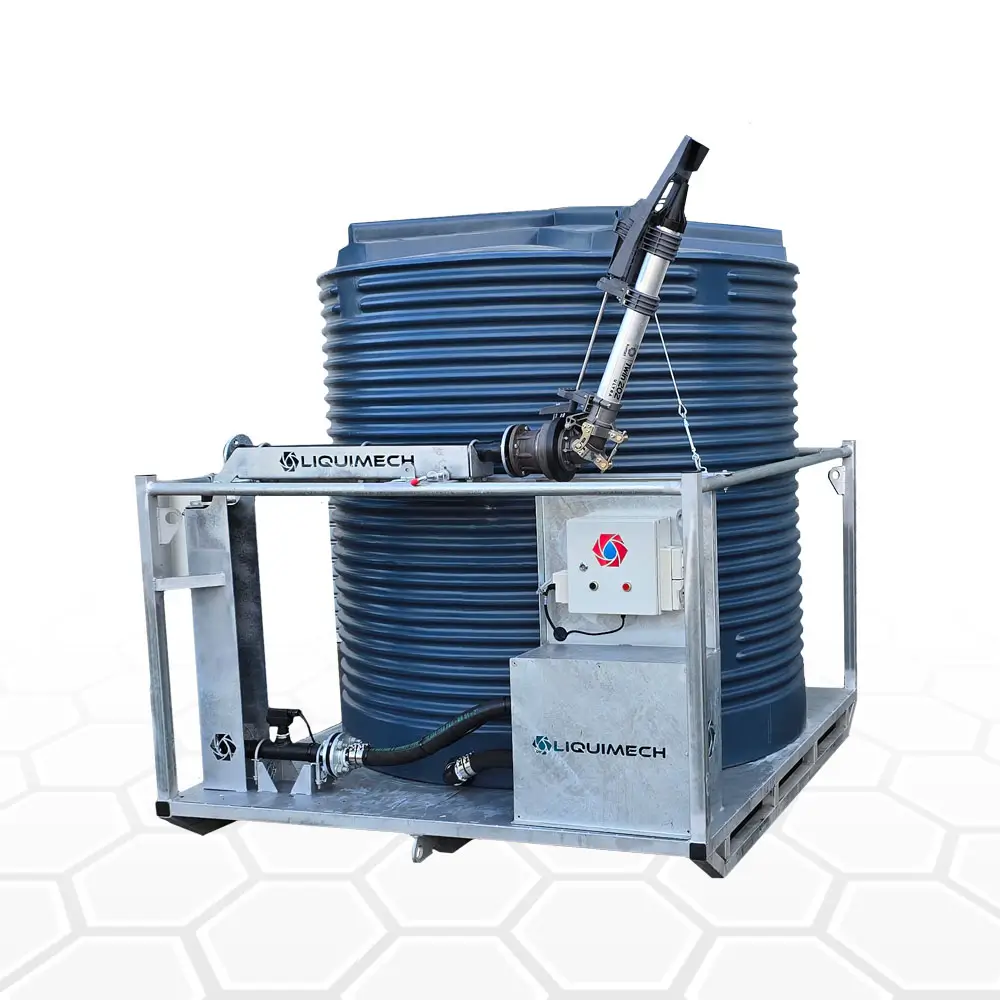
Remote telemetry systems allow operators to monitor water levels, flow rates, pump status and other operating conditions without being physically present at a site.
Liquimech provides remote telemetry, monitoring and control solutions for industrial liquid management. Depending on the application, systems can support tank level monitoring, remote pump control, valve automation and automated standpipe operation.
A suitable remote telemetry solution combines sensors, control equipment, power supply and communications technology to meet site requirements.
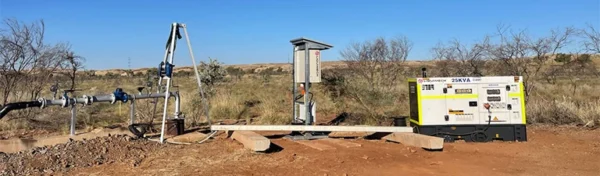
Telemetry Definition and Remote Process Control
A remote telemetry system measures conditions at one location and transmits sensor data to another location for monitoring, recording or analysis. Operators use this information to monitor equipment and manage processes across remote industrial sites.
Telemetry Definitions and Operation
A Remote Telemetry Solution connects field sensors and control equipment to a central monitoring or control system. Depending on its configuration, it can display operating information, trigger alarms or support remote actions such as starting a pump or operating a valve.
For example, a level sensor can report changing tank levels, allowing operators to monitor storage capacity and initiate configured control responses. Some systems also use remote stations as communication repeaters to extend network coverage.
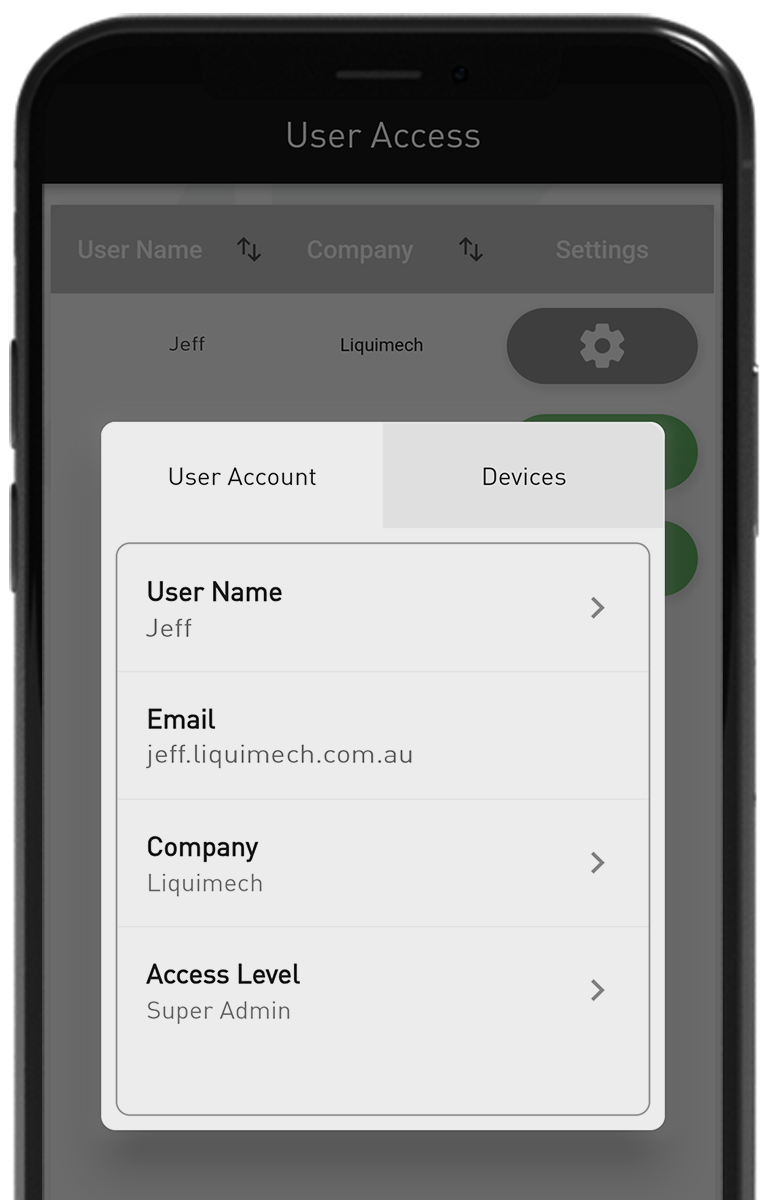
In Australia, applicable electrical, communications, environmental and operational requirements depend on the industry, site and equipment. These should be assessed during system design. Safeguards can include role-based permissions, secure authentication, encrypted communications and network protection. Access should be restricted according to each user’s responsibilities.
Remote control points without mains electricity may use solar panels or batteries. Power requirements depend on sensor consumption, controller operation, communications equipment and reporting frequency.
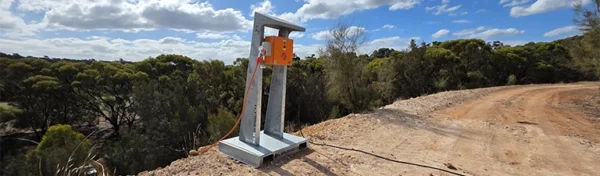
Remote Data Logging
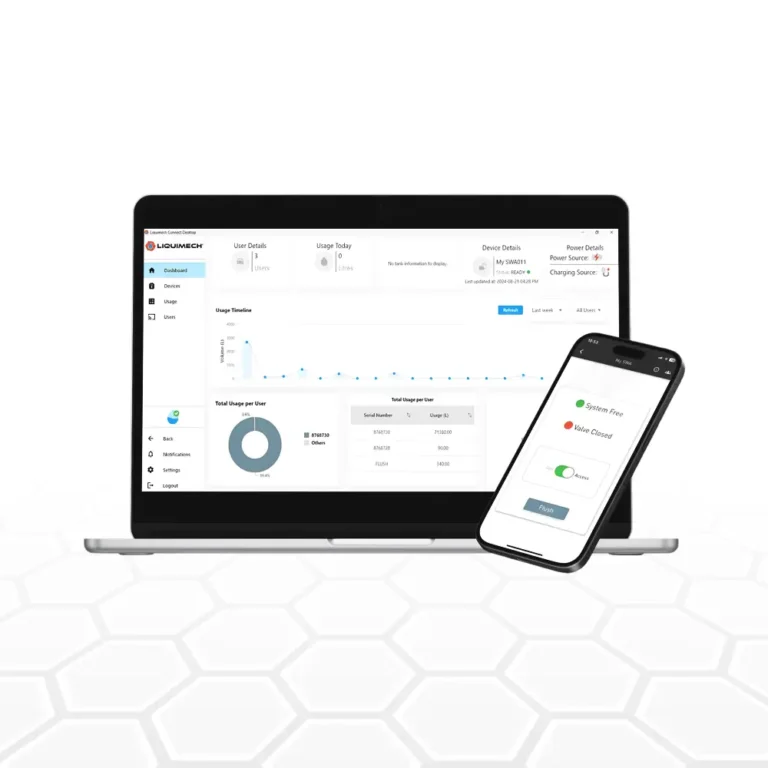
Remote data logging records measurements at the site or host system for later review. A telemetry dashboard can display readings through gauges, trend charts and alarm notifications, helping operators identify changes in operating conditions.
Some systems store data locally during communications interruptions and transfer it when the connection returns. Live monitoring and remote commands may remain unavailable during an outage.
Remote control connects measurement to action. Configured control logic can use sensor readings to trigger equipment responses, such as starting or stopping a pump at specified levels.
For a sewer bypass, a level transducer can monitor the level in a well and provide feedback to a pump control system. The system can use configured setpoints to manage pump operation without relying entirely on an operator being physically present.
Equipment Monitoring and Data Visualisation
Remote equipment monitoring gives operators visibility of water levels, flow rates, pump status and other operating conditions across multiple sites.
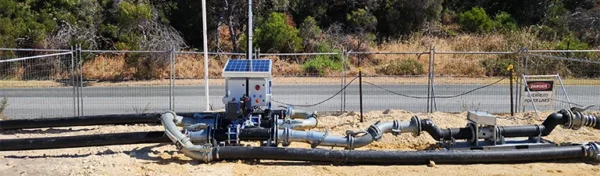
Remote Sensors and Equipment Parameters
Remote sensors measure operating conditions and transmit readings to a monitoring system. Depending on the application, these may include:
- Water and tank levels
- Pipeline flow rates
- Pressure
- Temperature
- Pump operating status
- Water quality parameters
Measurements should relate directly to an operating decision. For example, comparing flow-meter readings at two pipeline points can reveal differences requiring investigation. A level reading can indicate when water approaches a configured setpoint.
Dashboards display this information through gauges, charts and alarm lists. Grouping readings by site or equipment helps operators identify local faults and wider operational changes.
Monitoring, Maintenance and Troubleshooting
Operators can use live readings, alarms and logged data to investigate equipment faults. Comparing current conditions with historical sensor readings helps identify changes and potential causes.
A practical troubleshooting process involves checking the affected parameter, reviewing its trend, and inspecting the sensor and communications path.
Remote telemetry supports fault detection and troubleshooting but does not eliminate the need for routine sensor maintenance. Sensors and flow-measuring devices require ongoing inspection and calibration where applicable.
Liquimech designs and configures remote telemetry systems to suit site conditions and operating requirements. We select appropriate enclosures and components to protect equipment against extreme temperatures, moisture, dust and vibration, with the required level of environmental protection.
Power and Communications Resilience
Remote sites need reliable power and communications suited to their location. In Australia, distance, terrain and mobile network coverage can affect system performance.
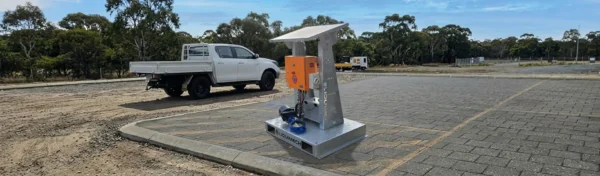
For sites without mains electricity, Liquimech can configure solar-powered and battery-powered telemetry systems to suit the application’s energy requirements. Power demand depends on the sensors, controllers, communications equipment, reporting frequency and site conditions.
We configure each system to balance monitoring and control requirements with available power and communications infrastructure. This helps maintain reliable operation at remote and off-grid sites.
Managing Communications Interruptions
Liquimech remote telemetry systems can be configured to store readings locally during communications interruptions and transfer recorded data when connectivity is restored. This helps retain operating records, while live monitoring and remote commands depend on an available connection.
For solar-powered pump sites, we configure reporting intervals, power supply and communications to balance operating status updates, energy consumption and remote control requirements.
Liquimech assesses power requirements, reporting frequency, terrain and network coverage when configuring each remote telemetry solution to suit site conditions.
System Implementation and Sensor Selection
System design connects the required measurements with suitable sensors, control equipment and communications technology.
Telemetry Components and Functions
A remote telemetry system typically combines:
- Field sensors: Measure water level, flow, pressure, temperature and other operating conditions.
- Communications equipment: Transmits information between remote stations and the host system.
- Power supply: Provides energy for sensors, controllers and communications equipment.
Integration with existing SCADA, PLC or RTU platforms depends on equipment compatibility, communications protocols and control architecture.
Features and Reliability Comparisons
Liquimech configures telemetry systems around each site’s operating requirements, existing infrastructure and monitoring needs.
Key considerations include:
- Compatibility with existing site equipment and control systems
- Supported communications protocols
- Network coverage and reliability
- Local data storage during communications outages
- Remote monitoring and control functions
- Power supply requirements
- Scalability across additional sites
Telemetry system costs depend on the number of remote sites, sensors, communications coverage, power arrangements, equipment and required integrations. Liquimech customises each solution to suit the application, from single-site installations to networks covering multiple facilities.
Industrial Telemetry Use Cases
Industrial telemetry is used across industries where equipment and infrastructure operate across multiple, often remote locations. It provides operational data that helps businesses manage resources, assess site conditions and oversee distributed operations.
Water and Wastewater Management
Water and wastewater facilities use telemetry to maintain visibility over distributed infrastructure, including remote wells, treatment facilities and pumping stations.
Access to operating data helps operators assess water availability, identify changes in system conditions and coordinate activities across multiple locations.
Mining and Industrial Operations
Mining and industrial sites often manage water, fuel and other resources across large operating areas. Telemetry helps centralise operational information from these locations, supporting resource tracking and site management.
For example, operators can use consumption data to assess water usage across standpipe locations or review fuel usage across industrial operations.
Remote Monitoring and Control for Industrial Operations
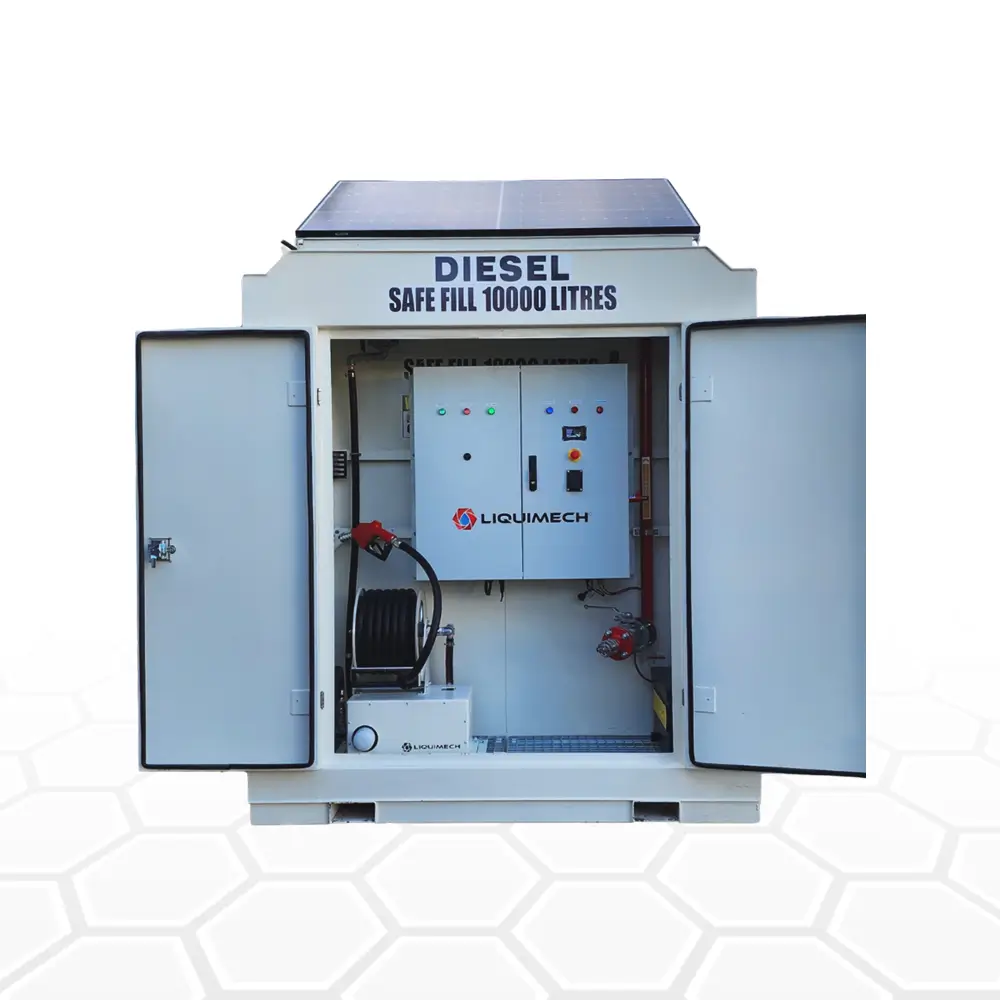
- Tank Level Monitoring: Monitor water, diesel, sewage and other liquid storage levels, with alerts for configured level conditions.
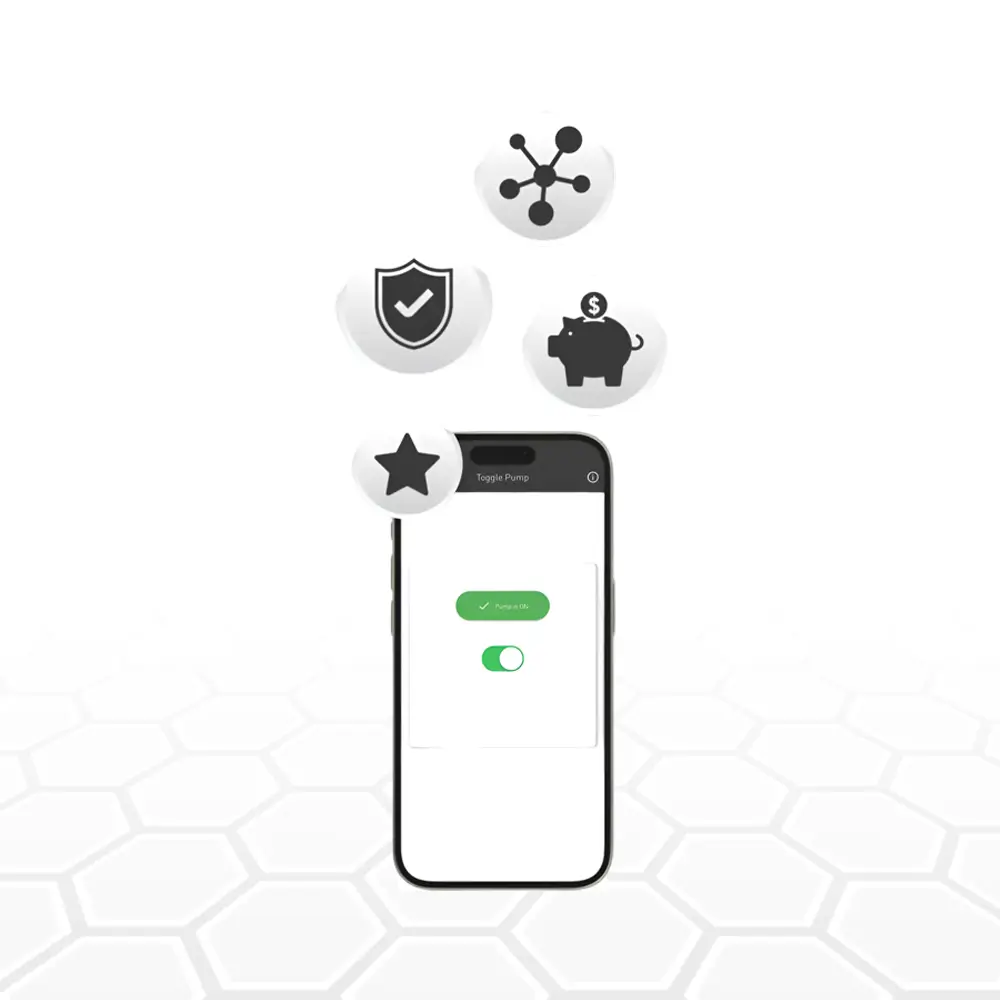
- Remote Pump Monitoring and Control: Monitor pump operating status and remotely start or stop compatible pumps.
- Valve Automation: Control compatible valves remotely to manage liquid flow and transfer operations.
- Standpipe Monitoring and Control: Automate standpipe operation and monitor water dispensing and consumption during water truck filling.
- Remote Equipment Monitoring: Monitor flow rates, equipment status and operating conditions across multiple sites.
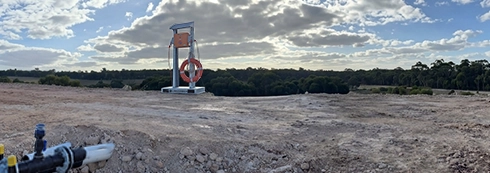
Systems can be configured with suitable sensors, controllers, valve actuators, solar panels and battery assemblies to meet site requirements. Liquimech offers solutions for fixed installations and off-grid applications.
Integrated Liquid Management Solutions
Liquimech supplies telemetry and control systems alongside Bulk Liquid Storage Systems, Pump Systems, Standpipes, Flow Control Systems, and Hose and Piping Solutions.
These products can be integrated to support liquid storage, transfer, dispensing and monitoring operations.
For example, a water storage installation can combine tank level monitoring, pump control and automated valves. A standpipe system can incorporate flow monitoring to track water dispensing and consumption.
Frequently Asked Questions
How do I get started?
Identify the operational problem and the information needed to address it. This may include monitoring pump faults, tank levels, water usage or unexpected flow readings.
Then assess site conditions, existing control equipment, power availability, communications coverage and user access requirements. These details help establish suitable sensors, connectivity and system functions.
Liquimech can discuss telemetry and control options for your industrial liquid management application.
What is Telemetry?
Telemetry is the automated measurement and transmission of data from a remote location to a central system for monitoring, recording or analysis.
In industrial applications, it can transmit water levels, flow rates, pressure and pump status without requiring someone to be physically present at the site.
Remote control adds the ability to send commands to compatible equipment, allowing selected processes to be managed remotely.
What are the main components of a remote telemetry system?
The main components include field sensors, controllers, communications equipment and a receiving or control interface.
Sensors measure operating conditions, while PLCs or RTUs process inputs and communicate data. Cellular, radio or satellite equipment transmits readings to a central monitoring system, where operators can view information through an HMI or SCADA interface. Systems may also include local control logic, data logging, alarms, solar power and battery assemblies.
How much does a remote telemetry solution cost in Australia?
The cost depends on the number of monitoring points, sensor requirements, communications coverage, power arrangements and integration with existing control equipment. Contact Liquimech to discuss your application and request a quotation.
How do you choose and install a remote telemetry solution?
Liquimech assesses each application’s monitoring and control requirements, site conditions, power availability and communications coverage to configure a suitable remote telemetry solution.
Depending on the application, this may include selecting appropriate sensors, control equipment, communications technology and power systems. Installation and commissioning involve checking sensor readings, communications, alarms and control functions to confirm the system operates as intended.
Liquimech provides fixed and off-grid relocatable telemetry solutions for industrial liquid management applications.
What industries and applications use remote telemetry in Australia?
Australian applications include:
- Water and wastewater management
- Pipeline monitoring
- Mining operations
- Environmental monitoring
- Agriculture and irrigation
- Civil infrastructure
- Industrial liquid management
Telemetry helps operators monitor remote assets and use operating data to support maintenance and control decisions.
Which remote telemetry solutions are available in Australia?
Liquimech supplies remote telemetry solutions for fixed installations and off-grid relocatable applications across Australia. Solar and battery power options are also available for sites without mains electricity.