Water is one of the most essential resources in agriculture, yet many people don’t realise just how much the quality of water impacts farming. In fact, the water used for irrigation often contains excess minerals, salts, or chemicals that can damage irrigation systems, soil health, and plant growth. To address these issues and improve water quality, farmers can turn to a Water Conditioner.

Unlike water purification, which completely removes unwanted substances, Water Conditioner works by adjusting the properties of the water to make it more suitable for use. This process helps prevent mineral buildup, improves water absorption, and reduces harmful effects on soil and crops, making it an invaluable tool for modern farming.
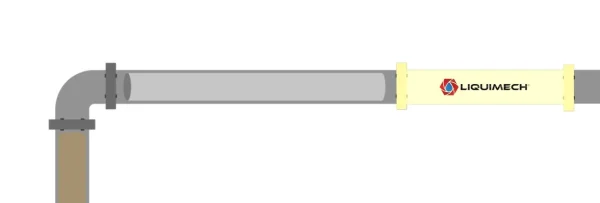
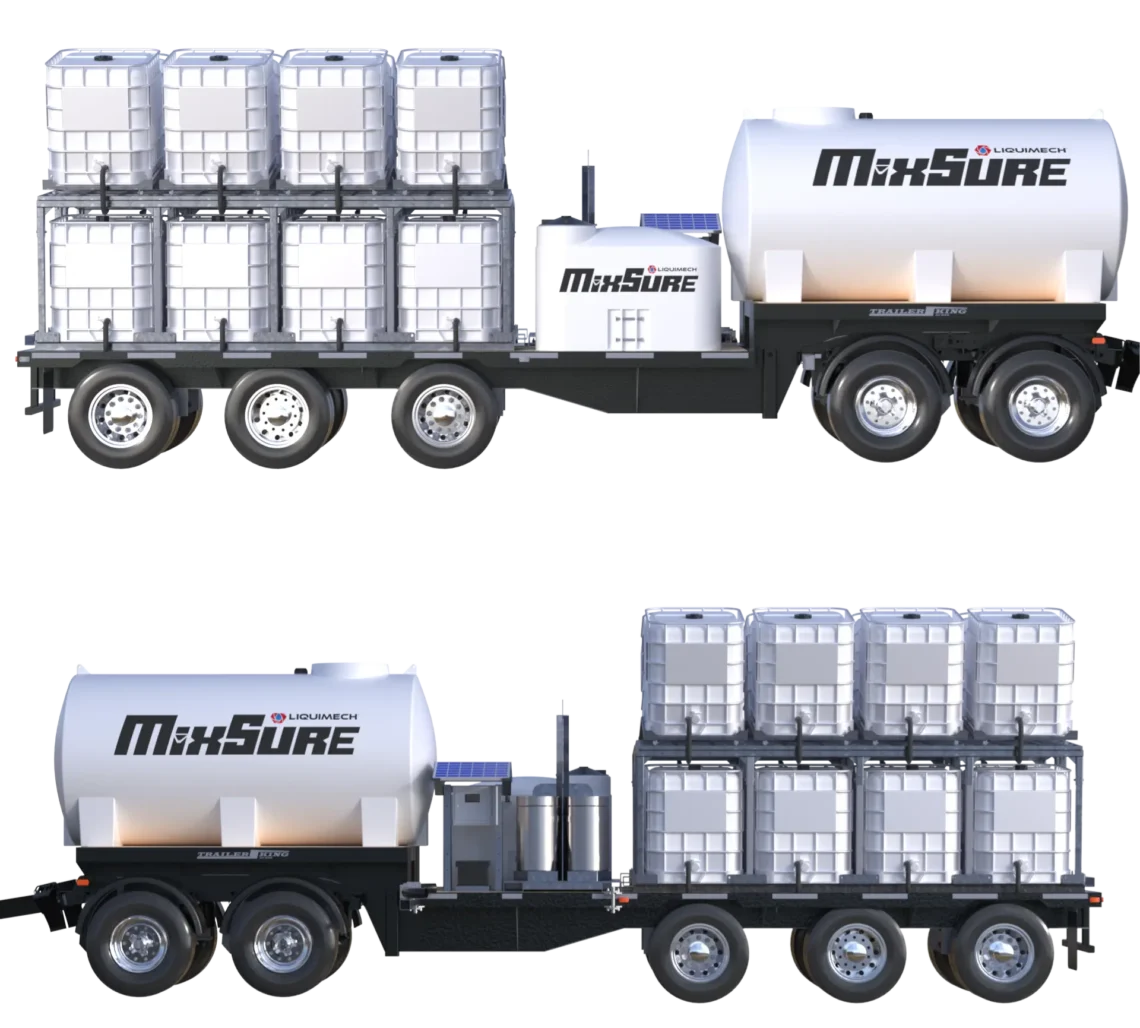
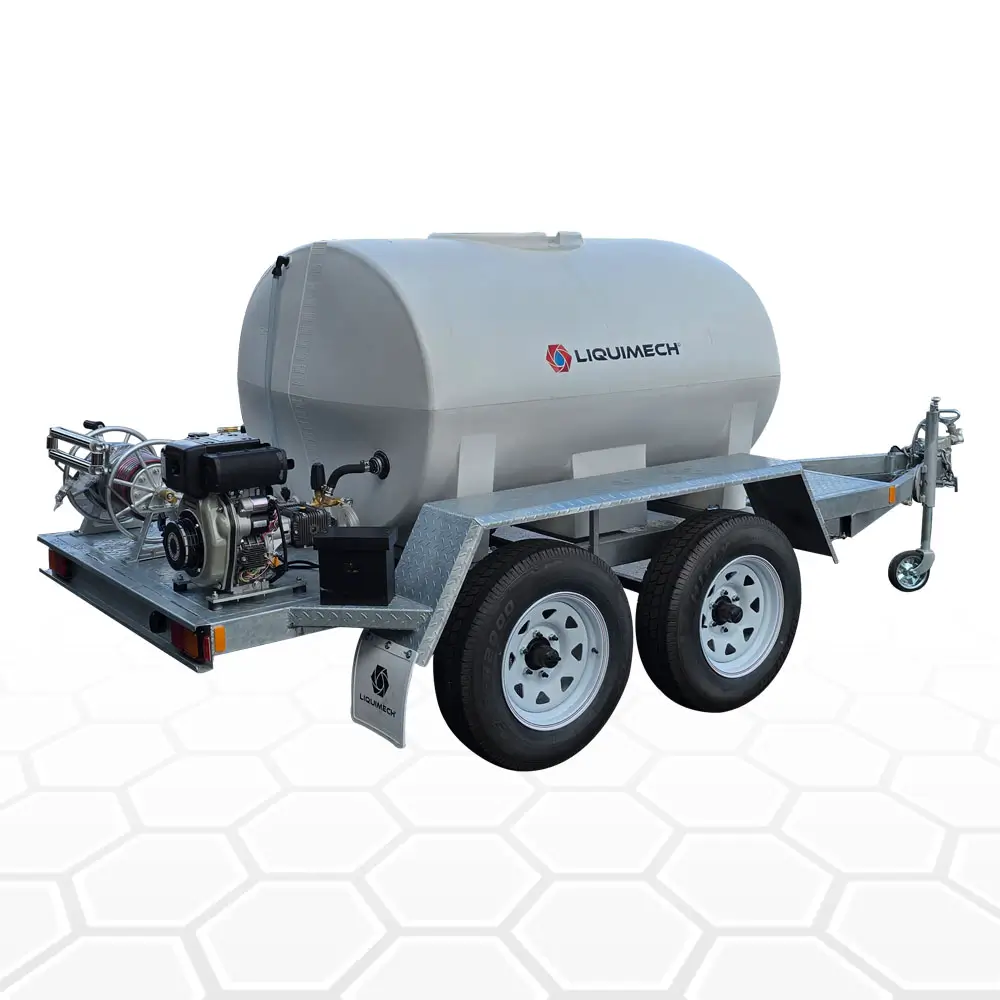
Water Conditioner is one of the most effective ways for farmers to optimise their irrigation systems and maintain healthy, fertile soil. An engineering consultancy specialising in liquid solutions and smart farming solutions, such as Liquimech, helps farms increase productivity while conserving essential resources.
Let’s explore how a Water Conditioner can benefit agriculture in more detail.
Makes Irrigation More Efficient
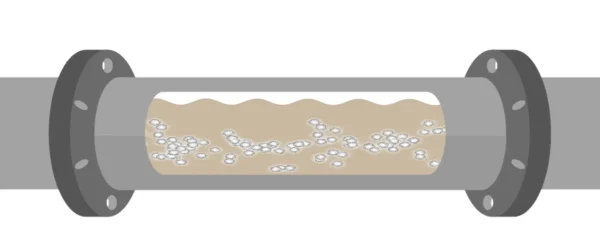
A well-functioning irrigation system is essential for delivering the right amount of water to crops, but poor water quality can disrupt this process. A common issue is hard water, which contains high concentrations of calcium and magnesium. Over time, these minerals accumulate in irrigation pipes, causing blockages and reducing water flow. In extreme cases, the buildup can lead to equipment failure, forcing farmers to invest in costly repairs or replacements. A Water Conditioner helps mitigate these issues by preventing scale formation, ensuring that water moves freely through the system and reaches crops as intended.
Beyond preventing blockages, conditioned water enhances irrigation efficiency by promoting even water distribution. Without conditioning, water may fail to spread evenly across fields, leaving some areas oversaturated and others too dry. This inconsistent distribution can stress plants, resulting in uneven growth and reduced yields. Optimised irrigation ensures that every plant receives the right amount of hydration.
Improves Soil and Plant Health
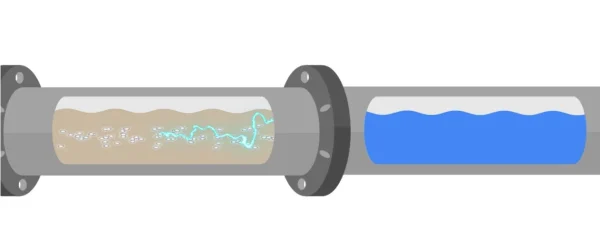
The quality of irrigation water directly impacts soil structure and plant growth. When water contains excessive minerals, particularly sodium, it can lead to soil compaction. Compacted soil makes it harder for water and air to pass through, which can hinder healthy root growth. Over time, farmers may notice weaker root systems and reduced crop health. A Water Conditioner improves soil porosity by lowering sodium levels and altering how minerals interact with the soil.
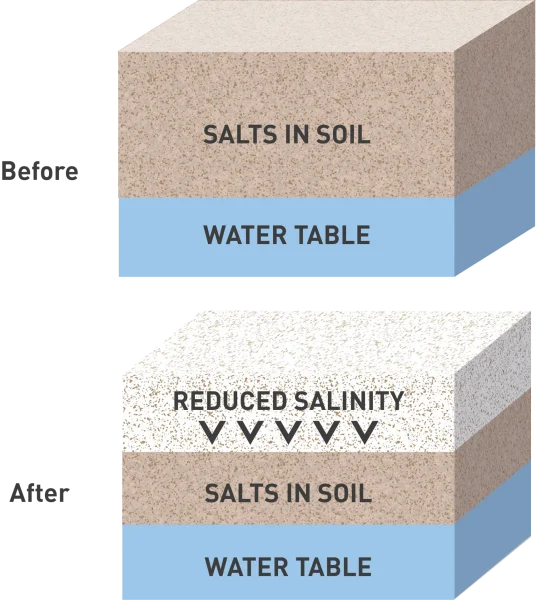
Better soil structure leads to healthier, more resilient plants. Properly conditioned water enables crops to absorb nutrients more effectively, resulting in stronger growth and higher yields. Additionally, balanced mineral content in water reduces the risk of nutrient imbalances that can cause deficiencies or toxicities in plants.
Conserves Water
Agriculture is one of the most water-intensive industries globally. Unfortunately, poor water quality can exacerbate inefficiencies, leading to increased water waste. Surface runoff and high evaporation rates are common when working with hard and saline water, as these types struggle to penetrate the soil. As a result, a significant portion of agricultural water is lost instead of being absorbed by plants, forcing farmers to use more water than necessary to achieve the same results.
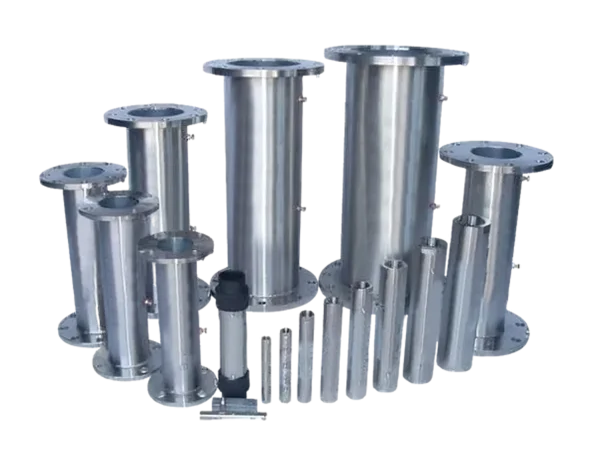
A Water Conditioner helps water move through the soil more easily, reaching plant roots where it’s needed most. By doing so, it reduces the overall volume of water required for irrigation. This is especially beneficial in regions facing water restrictions or prolonged droughts. Farms that implement a Water Conditioner can optimise their irrigation schedules, making better use of available water supplies while maintaining healthy crop growth.
Reduces Chemical Dependency
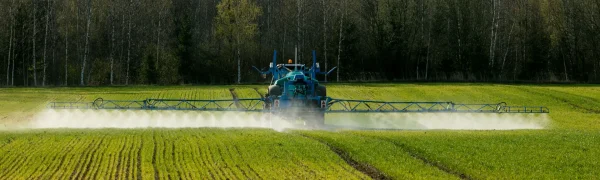
The quality of irrigation water impacts not only the amount of water needed but also the number of chemical inputs a farm must use. When water contains excessive minerals or contaminants, it can disrupt the natural balance of the soil, making it harder for plants to absorb essential nutrients. In response, farmers often compensate by applying more fertilisers, soil conditioners, or acid treatments to correct these imbalances. While these interventions can be effective, they also increase operational costs and environmental impact.
Farms can use a Water Conditioner to reduce their reliance on chemical treatments. Conditioned water helps maintain a healthier soil environment, enabling plants to absorb nutrients more efficiently without the need for constant adjustments. This not only lowers input costs but also reduces the risk of chemical runoff, which can harm surrounding ecosystems. Over time, reducing chemical dependency contributes to more sustainable farming practices and helps businesses cut unnecessary expenses.
A Water Conditioner is an essential tool for enhancing agricultural productivity while conserving vital resources. As farms face growing pressure to balance productivity with environmental responsibility, investing in better water management can make a significant impact. Studies have shown that properly conditioned water can improve crop yields by 15–25% while reducing water usage by up to 30% compared to conventional irrigation methods. At Liquimech, we provide advanced technological solutions to help businesses maximise their agricultural potential while safeguarding their water supply for the future.
Get in touch with us today, and we’ll work with you to elevate your farming operations.