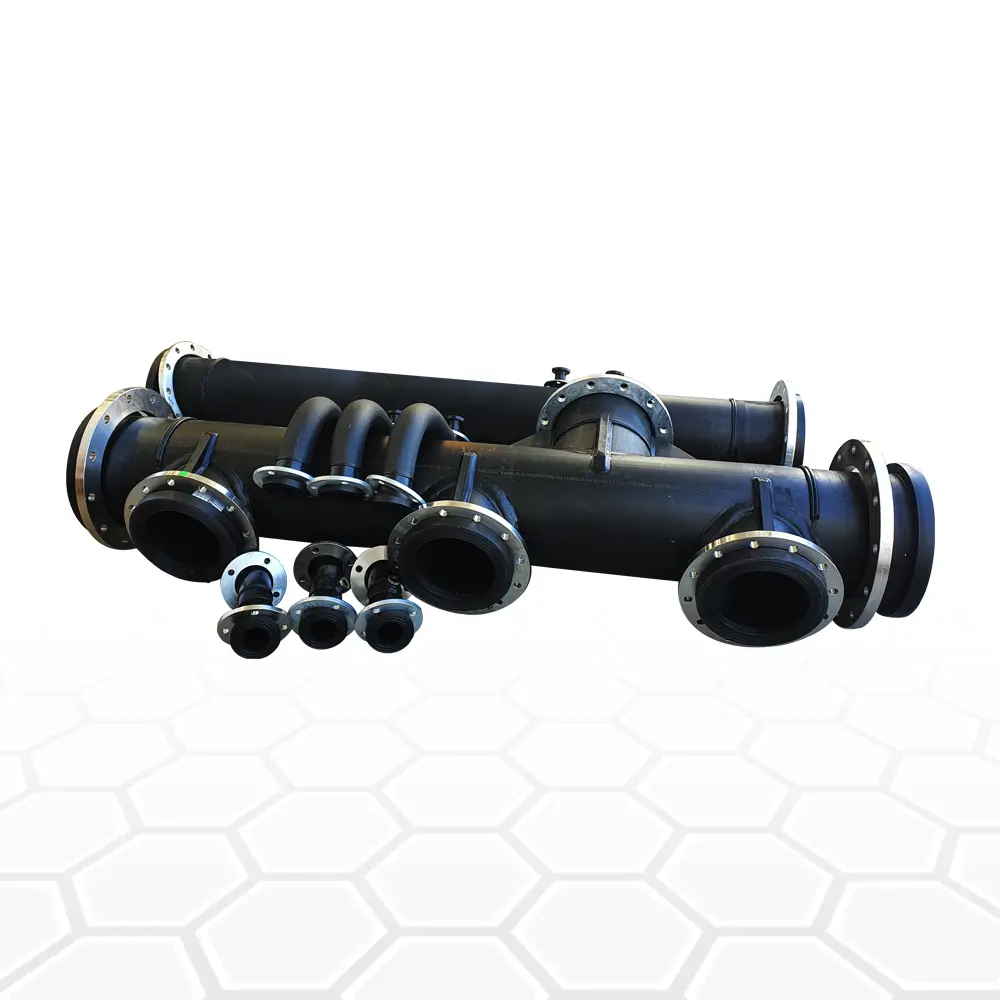
Industrial tank insulation reduces heat transfer between stored liquids and the surrounding environment. It can help control liquid temperature, reduce heat loss or gain, manage condensation risk and improve the efficiency of heated or temperature-sensitive storage.
For Australian industrial and mining applications, the insulation system must also account for UV exposure, weather, moisture, fire requirements, tank configuration and maintenance access.
Key Considerations
- Thermal performance: Select insulation material and thickness according to the required operating conditions.
- Stored liquid: Consider the liquid’s temperature requirements and material compatibility.
- Moisture control: Design the insulation and weatherproofing system to limit moisture ingress.
- Fire requirements: Material selection may be influenced by the application’s fire-safety requirements.
- Weather exposure: Outdoor systems require suitable protection from UV, rain and mechanical damage.
- Maintenance: Valves, fittings, instrumentation and other service points must remain accessible.
- Tank configuration: Consider the tank construction, fittings, accessories and overall installation requirements.
What Is Tank Insulation?
Tank insulation is a thermal barrier installed around a storage tank to reduce heat transfer between the stored liquid and the surrounding environment.
It may be used to:
- reduce solar heat gain;
- minimise heat loss from heated liquids;
- maintain a more stable liquid temperature;
- reduce heating or cooling demand; and
- manage condensation risk.
The required insulation system depends on the tank, stored liquid, operating temperature, ambient conditions and required thermal performance.
Why Insulate Industrial Storage Tanks?
Temperature changes can affect some stored liquids and increase the thermal load on heating or cooling systems.
Insulation can moderate heat transfer between the tank and its surroundings. For heated storage, this can reduce heat loss. For temperature-sensitive liquids, it can help limit temperature changes caused by external conditions.
Insulation can also help manage condensation by influencing the temperature of the tank surface. However, condensation depends on surface temperature, ambient humidity and dew point, so insulation alone does not eliminate condensation.
Selecting Tank Insulation
There is no single insulation material suitable for every tank.
The design should consider:
| Factor | Consideration |
| Stored liquid | Temperature requirements and material compatibility |
| Operating temperature | Suitable insulation material and thickness |
| Ambient conditions | External heat gain or loss |
| Required thermal performance | Target heat-transfer control |
| Moisture exposure | Weatherproofing and moisture control |
| UV exposure | External protection requirements |
| Fire requirements | Suitability of insulation materials |
| Tank geometry | Installation requirements and access |
| Maintenance | Access to valves, fittings and instrumentation |
| Site conditions | Mining, coastal, remote and industrial environments |
Where defined temperature performance is required, insulation thickness should be established from the thermal requirements rather than tank capacity alone.
Hexene Polyethylene Construction with Polyurethane Foam Insulation
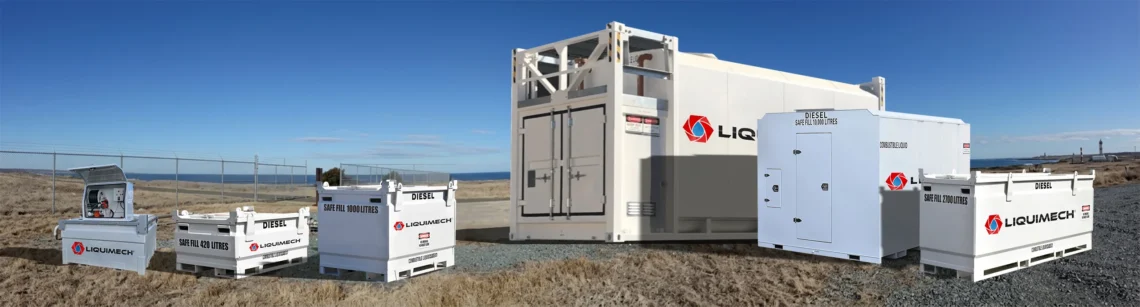
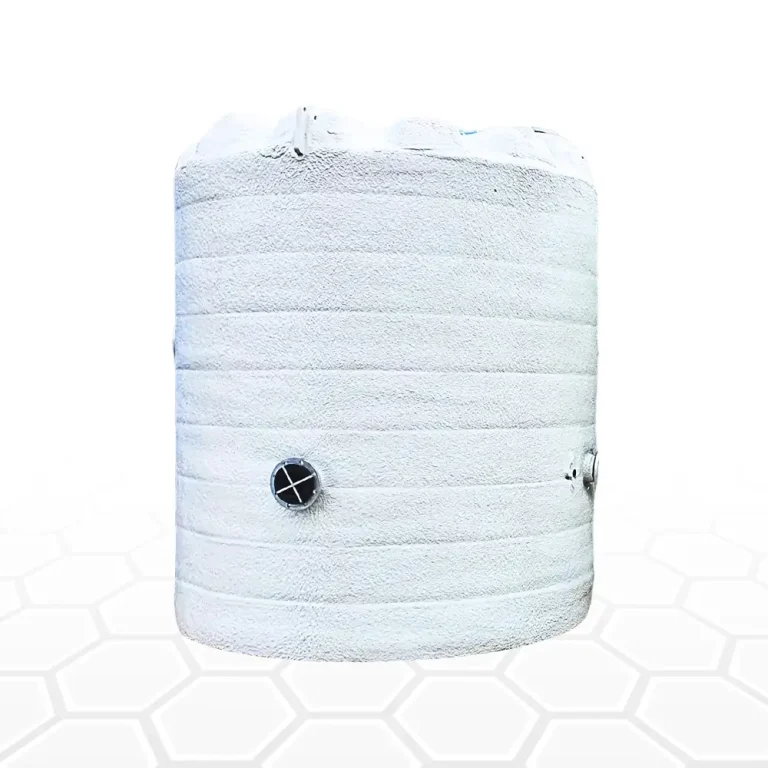
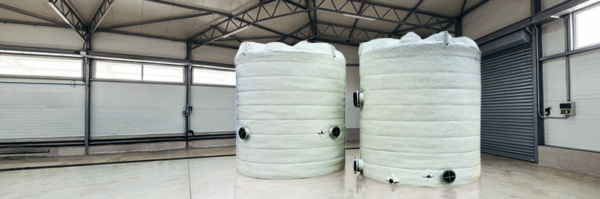
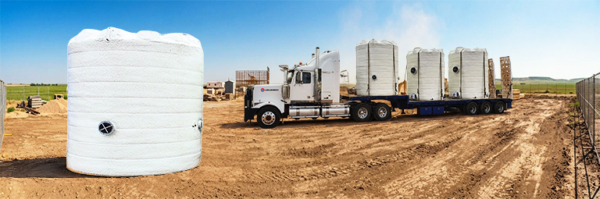
Liquimech insulated tanks combine tough hexene polyethylene construction with spray-on polyurethane foam insulation, providing a durable storage solution with added thermal protection for demanding Australian applications.
Key features include:
- Tough hexene polyethylene construction: Provides durable, chemical- and impact-resistant tank construction for a wide range of liquid-storage applications.
- Polyurethane foam insulation: Spray-on polyurethane foam helps reduce heat transfer between the stored liquid and the surrounding environment.
- One-piece construction: A one-piece tank construction provides a robust, continuous tank structure.
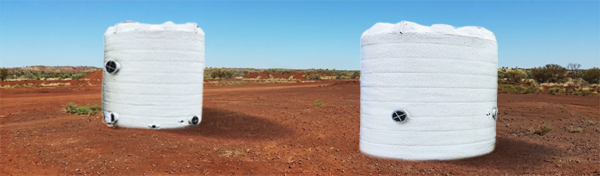
- UV stabilised: Designed to withstand prolonged exposure to Australia’s harsh outdoor conditions.
- Manufactured in accordance with Australian Standards: Manufactured in accordance with Australian Standards.
- Fitting and accessory options: A range of fittings and accessories can be supplied to suit different project and liquid-management requirements.
The insulation system can be considered according to the stored liquid, operating temperature, ambient conditions and required thermal performance, allowing the tank configuration to be matched to the application.
Tank Insulation for Diesel Storage
Diesel storage can be affected by temperature fluctuations and condensation. Water contamination can contribute to fuel-quality problems and microbial growth.
Insulation can help moderate temperature changes and may reduce conditions that contribute to condensation. It should form part of a broader fuel-storage strategy that considers tank design, water management, fuel filtration and maintenance.
For diesel storage, consider:
- solar exposure;
- ambient temperature range;
- operating temperature;
- condensation risk;
- fire requirements;
- tank construction; and
- inspection and maintenance access.
Tank Insulation for Chemical Storage
Chemical storage requires application-specific design.
Temperature can affect properties such as viscosity, density, solubility and crystallisation behaviour. Some chemicals may require controlled storage temperatures to maintain their required properties.
The insulation and tank system should therefore be selected according to:
- chemical compatibility;
- operating temperature;
- required temperature range;
- thermal performance;
- moisture exposure;
- fire requirements;
- UV and weather exposure; and
- maintenance requirements.
Liquimech’s hexene polyethylene tank construction is described as chemical and impact resistant and is suitable for a wide range of applications. Specific chemical compatibility should be confirmed for the stored liquid, concentration and operating conditions.
Tank Insulation for Water Storage
Insulation can be used where water temperature needs to be controlled or solar heat gain reduced.
Applications may include:
- process water;
- heated water;
- industrial water storage; and
- remote-site water systems.
For potable water applications, materials and system components should be appropriate for the intended application.
Insulation Thickness and R-Value
R-value indicates resistance to heat flow. Higher thermal resistance generally reduces heat transfer under comparable conditions.
However, R-value alone does not determine the correct insulation system.
Design should consider:
- operating temperature;
- ambient temperature;
- solar exposure;
- tank dimensions;
- insulation thermal conductivity;
- insulation thickness;
- moisture conditions; and
- required temperature stability.
For applications with defined thermal requirements, a thermal calculation can be used to establish the appropriate insulation thickness.
Weatherproofing and UV Protection
Outdoor insulation must be able to withstand the site environment.
Australian industrial and mining installations may be exposed to:
- strong UV radiation;
- high temperatures;
- rain and moisture;
- dust; and
- mechanical damage.
The insulation and tank system should be designed with appropriate protection for the expected environmental conditions.
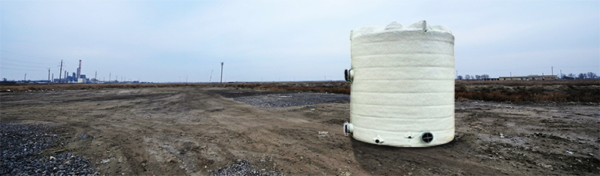
Liquimech insulated tanks use UV-stabilised hexene polyethylene construction to withstand exposure to Australia’s harsh outdoor climate.
The weatherproofing approach should also help limit moisture ingress while maintaining access for inspection and maintenance.
Access and Maintenance
Tank insulation should not prevent safe access to equipment requiring inspection or maintenance.
The design should account for:
- valves;
- pumps;
- strainers;
- meters;
- instrumentation;
- manways;
- ladders; and
- platforms.
Where required, access provisions should be incorporated into the tank and insulation design so serviceable components remain accessible.
Australian Standards and Safety Requirements
The applicable requirements depend on the stored liquid, tank type, location and application.
For flammable and combustible liquids, AS 1940 is an important Australian Standard covering their storage and handling. Where applicable, its requirements should be considered together with relevant legislation, fire-safety requirements and other applicable engineering standards.
The insulation and tank system should not compromise required access, fire safety, containment or safe operation.
Project-specific requirements should be confirmed during the engineering and design process.
Integrated Tank Insulation Design
Tank insulation should be considered as part of the complete storage system.
The design can be coordinated with:
- tank configuration;
- stored liquid;
- operating temperature;
- pumps;
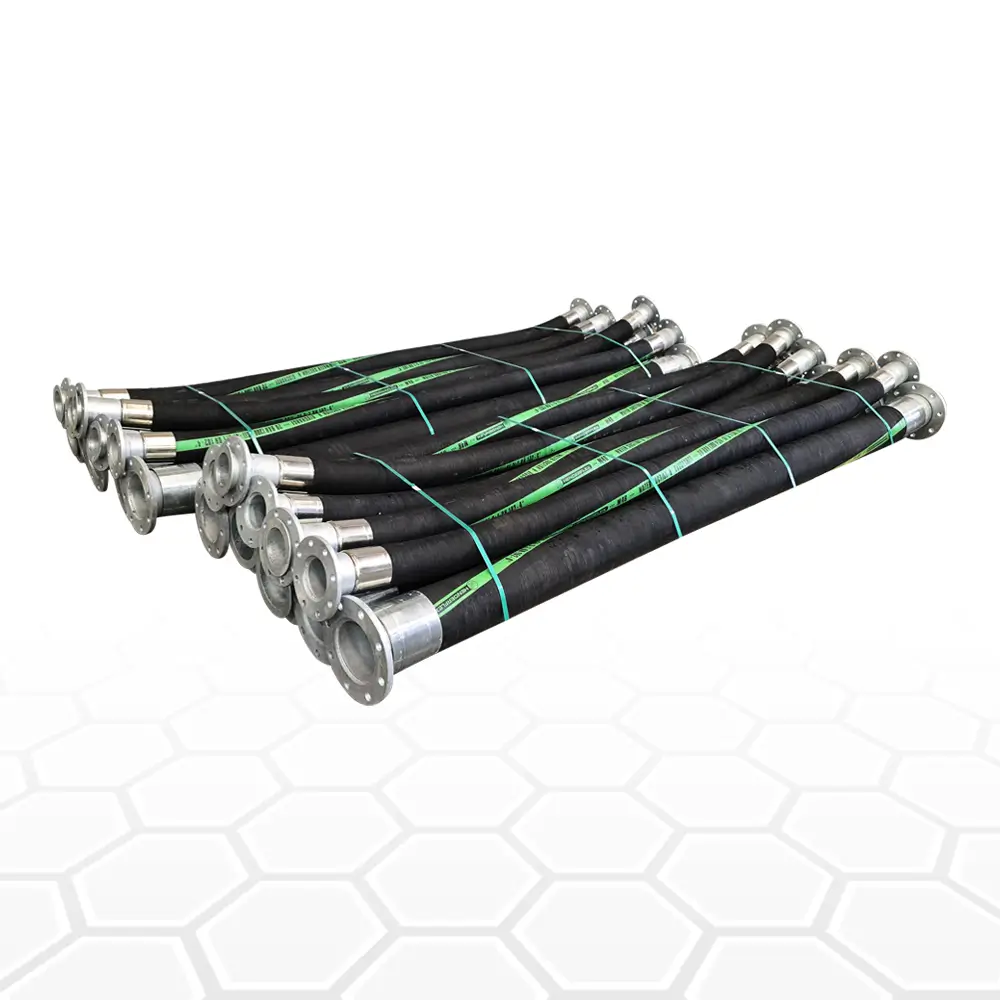
- pipework;
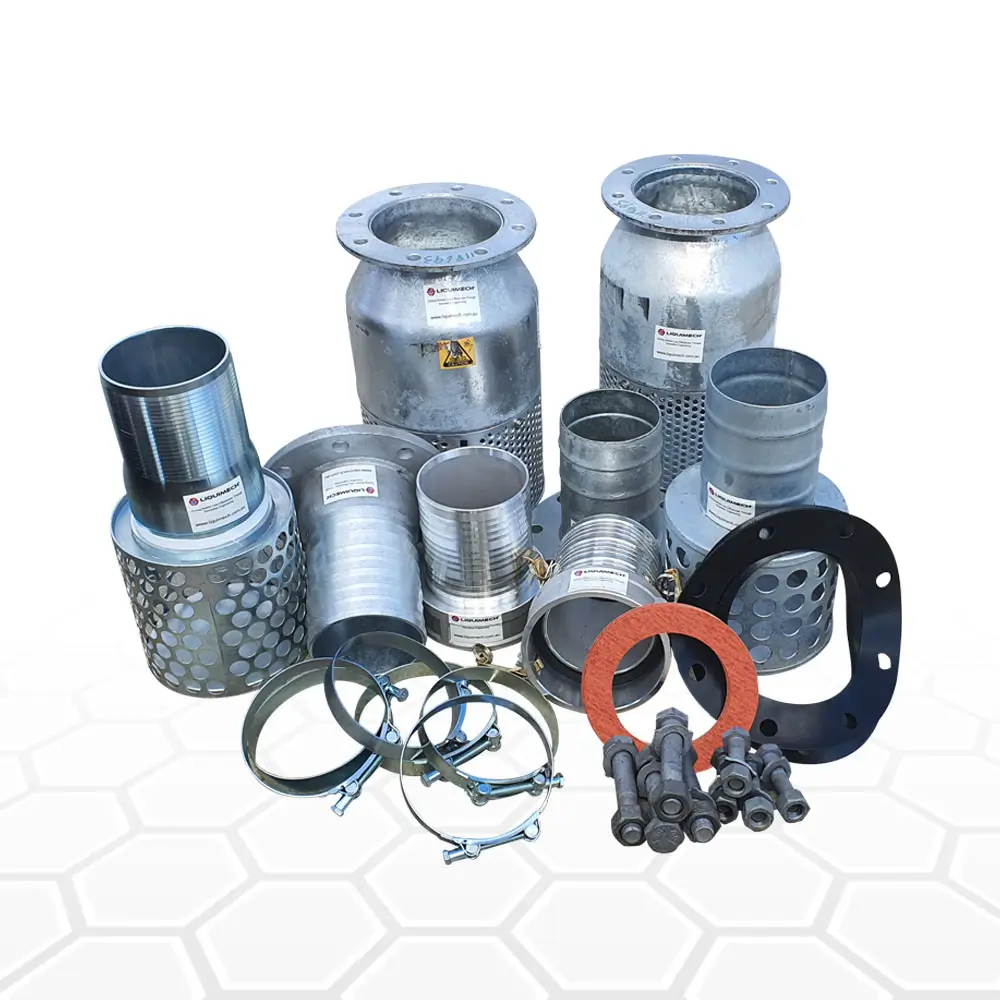
- valves and fittings;
- instrumentation;
- access systems;
- secondary containment;
- weather protection; and
- maintenance requirements.
Considering these elements together helps ensure the insulation system works with the wider liquid-storage installation.
Liquimech Liquid Storage Solutions
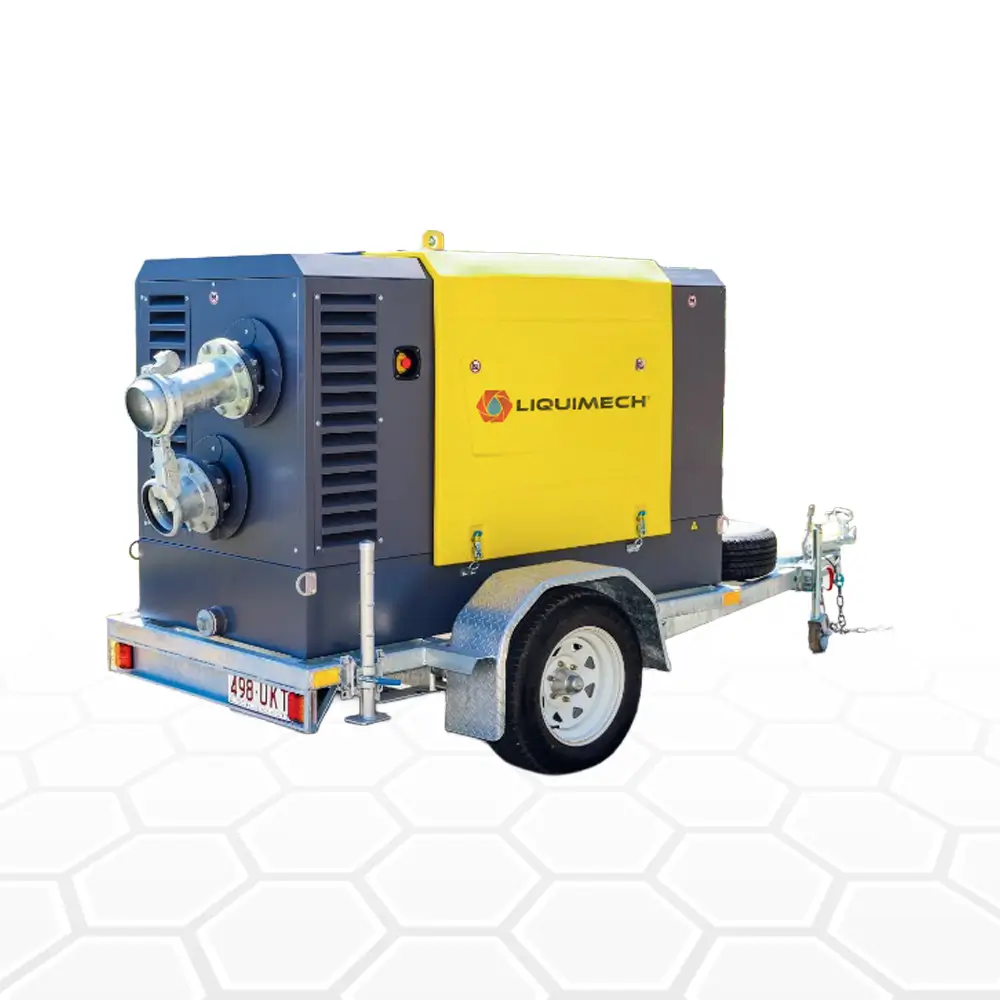
Liquimech designs and supplies liquid storage and liquid-management systems for Australian industrial, mining, civil, construction and infrastructure applications.
Where thermal management is required, insulation can be considered alongside the tank configuration, stored liquid, site environment, access requirements and associated liquid-handling equipment.
Liquimech’s insulated tanks combine tough hexene polyethylene construction with spray-on polyurethane foam insulation, with UV stabilisation, chemical and impact resistance, Australian Standards compliance and a range of fitting and accessory options.
The result is a tank configuration designed around the project’s operating and site requirements rather than a one-size-fits-all approach.
Talk to Liquimech about your bulk liquid storage requirements.
Frequently Asked Questions
What is tank insulation?
Tank insulation is a thermal barrier installed around a storage tank to reduce heat transfer between the stored liquid and surrounding environment.
Why are industrial tanks insulated?
Tank insulation can reduce heat loss or heat gain, help maintain liquid temperature and reduce the thermal load on heating or cooling systems.
What is the best insulation material for a tank?
There is no single insulation material suitable for every application. Material selection depends on factors such as operating temperature, required thermal performance, moisture exposure, fire requirements, weather conditions and the tank system.
How is tank insulation thickness determined?
Insulation thickness depends on the required thermal performance, operating temperature, ambient conditions, tank dimensions, insulation properties and required temperature stability. A thermal calculation can be used where specific performance is required.
Does tank insulation prevent condensation?
Not by itself. Insulation can influence tank surface temperature and reduce condensation risk, but condensation also depends on humidity, dew point, surface temperature and moisture conditions.
Can diesel tanks be insulated?
Yes. Insulation can be used where temperature management or condensation control is required. The design should also consider fuel properties, tank construction, fire requirements, weather exposure and maintenance.
Can chemical tanks be insulated?
Yes. Chemical tanks can be insulated where temperature control is required. Material selection should consider the chemical, concentration, operating temperature, moisture exposure, fire requirements and site conditions.
Is polyurethane foam suitable for tank insulation?
Polyurethane foam can provide thermal insulation for suitable industrial tank applications. Its suitability depends on the operating conditions, required thermal performance, fire requirements, moisture exposure, UV protection and overall system design.
How is outdoor tank insulation protected?
Outdoor insulation should be designed to withstand UV, weather and mechanical exposure. The overall system should also manage moisture and maintain access to components requiring inspection or maintenance.
Does tank insulation require maintenance?
Yes. The tank, insulation and external protection should be inspected as part of normal maintenance to identify physical damage, moisture ingress or other conditions that could affect system performance.