
Effective dust control is a critical challenge across mining, quarrying, construction, demolition, and recycling sites. Airborne dust poses potential risks to worker health, can damage equipment, and may lead to environmental compliance concerns. A dust suppression cannon offers a compact, transportable solution designed to control airborne dust at the source, improving site safety and supporting environmental compliance.
What is a Dust Suppression Cannon?
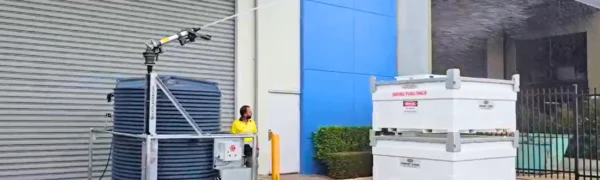
A dust suppression cannon (also referred to as a dust control cannon) is an engineered system designed for dynamic worksites and is ideal for stockpiles and moving dust sources throughout the duration of a project.
Features include:
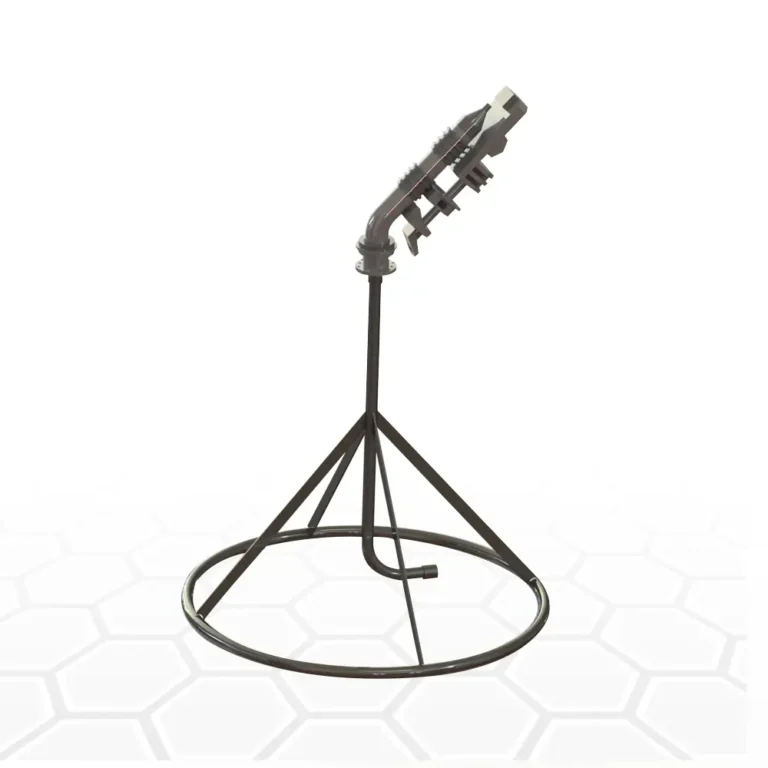
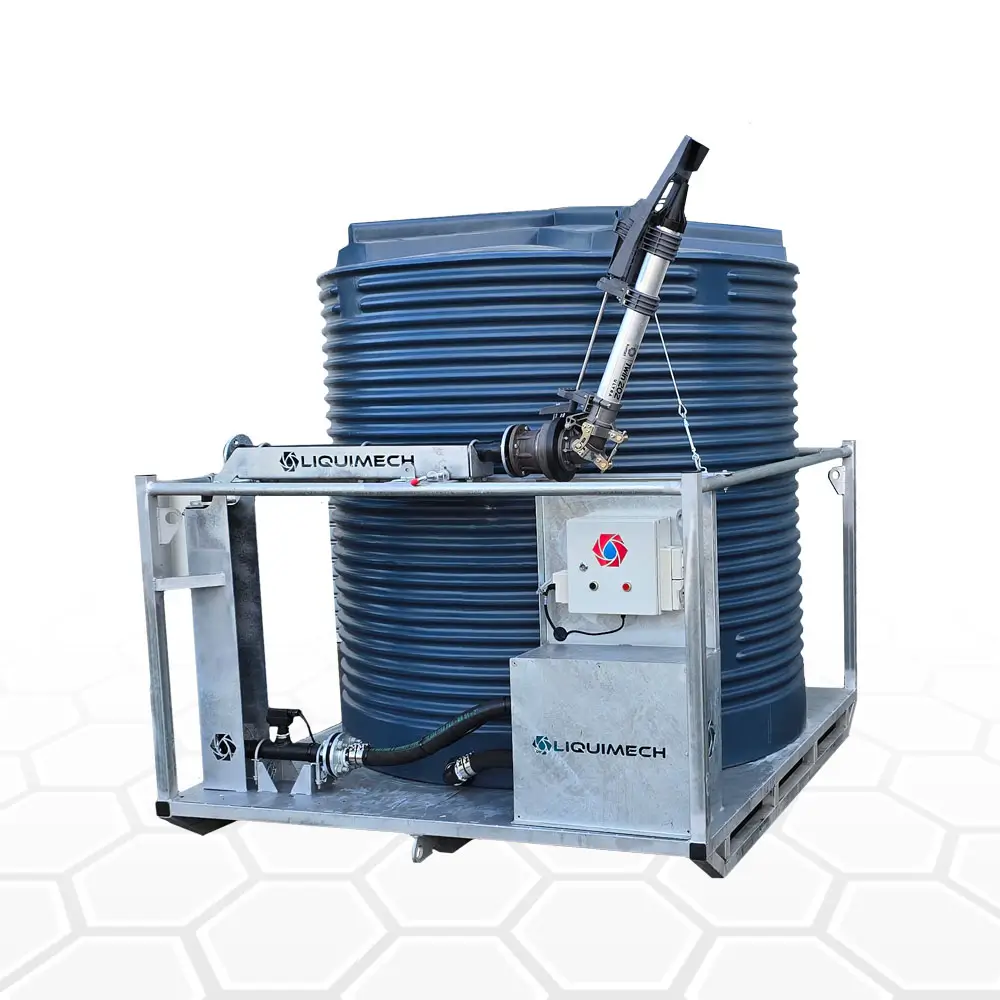
- A mobile dust suppression cannon stand with a wide, stable base
- Heavy-duty galvanised construction for durability in harsh environments
- A rolling design allowing easy repositioning
- Quick deployment and full portability
- Remote water volume control
- Configurable spray range to suit varying site requirements
These design features enable efficient dust suppression while minimising water and energy consumption.
Why Droplet Size Matters in Dust Suppression
Effective dust suppression is not just about spray distance or water volume. It depends significantly on optimising droplet size. Correct droplet sizing ensures that dust particles bind with water and settle quickly.
Quality dust suppression cannon systems are engineered with precision nozzle selection to match operating conditions, ensuring maximum dust capture efficiency.
How a Dust Suppression Cannon Works
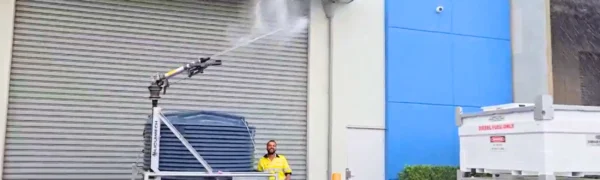
Liquimech dust suppression cannon interacts with airborne dust particles. When dust comes into contact with the spray, particles bind to the water and settle, preventing dispersion across the site.
Units are typically mounted on mobile skids or trailers, allowing flexible deployment where dust is actively generated. This makes them highly effective in environments where wind and movement impact dust behaviour.
The key operational principles include:
- High-pressure or low-pressure water cannon generation depending on application
- Adjustable water flow rates to regulate volume
- Variable spray throw distances (from short range to extended distances)
- Fixed or mobile positioning options
What is Industrial Dust?
Dust consists of tiny particles of dry, solid matter. Industrial dust is a by-product of activities such as:
- Earthworks and excavation
- Blasting and demolition
- Transportation and vehicle movement
- Product processing and manufacturing
- Waste and recycling processes
- Crushing, screening, and stockpiling
Dry climatic conditions and wind can intensify dust generation. Many operators face daily challenges as dust particles can contribute to potential health issues, increased maintenance costs, downtime, material loss, product quality concerns, and regulatory compliance burdens.
Why is Dust Control Important to Industrial Operations?
Without proper dust control, workers may be exposed to airborne particulates and contaminants. Airborne dust particles can cause breathing difficulties, skin and eye irritation, and may contribute to respiratory diseases. Prolonged exposure can significantly affect workforce health.
Dust can also interfere with equipment functionality, including conveyors, motors, and machinery. Constant exposure may result in unscheduled shutdowns and increased cleanup costs.
When dust escapes beyond site boundaries, it may negatively impact nearby properties and ecosystems.
Proper dust control measures, including the strategic use of a dust suppression cannon, can help:
- Improve operations and support continuous productivity
- Create a safer and cleaner workplace
- Meet occupational health, safety, and environmental obligations
- Reduce maintenance costs and equipment wear
- Avoid potential regulatory scrutiny
Maintenance Cost Impact: The absence of proper dust suppression can lead to higher equipment maintenance costs. Studies and operational data indicate that facilities without dust control may see a 5–15% rise in maintenance expenditures compared to those with effective systems in place.
Key Benefits of a Dust Suppression Cannon
A well-designed dust suppression cannon offers numerous advantages for industrial operations:
Dust Control Performance
- Highly effective at suppressing airborne dust when correctly specified
- Wide-area coverage suitable for large stockpiles and open sites
- Can target specific dust generation points
Operational Efficiency
- Reduced water usage compared to conventional low-pressure systems
- Low energy consumption with high operational efficiency
- Quick to deploy and reposition as site needs change
Environmental and Safety
- No harmful chemicals released into the environment (water-based)
- Helps contain dust on-site, reducing off-site migration
- Can improve workplace visibility and air quality
Durability and Reliability
- Heavy-duty galvanised construction resists corrosion
- Wide base provides stability during operation
- Rolling design allows easy movement across sites
- Easily adaptable to suit any site requirement
Applications for Dust Suppression Cannons
Mining Sites
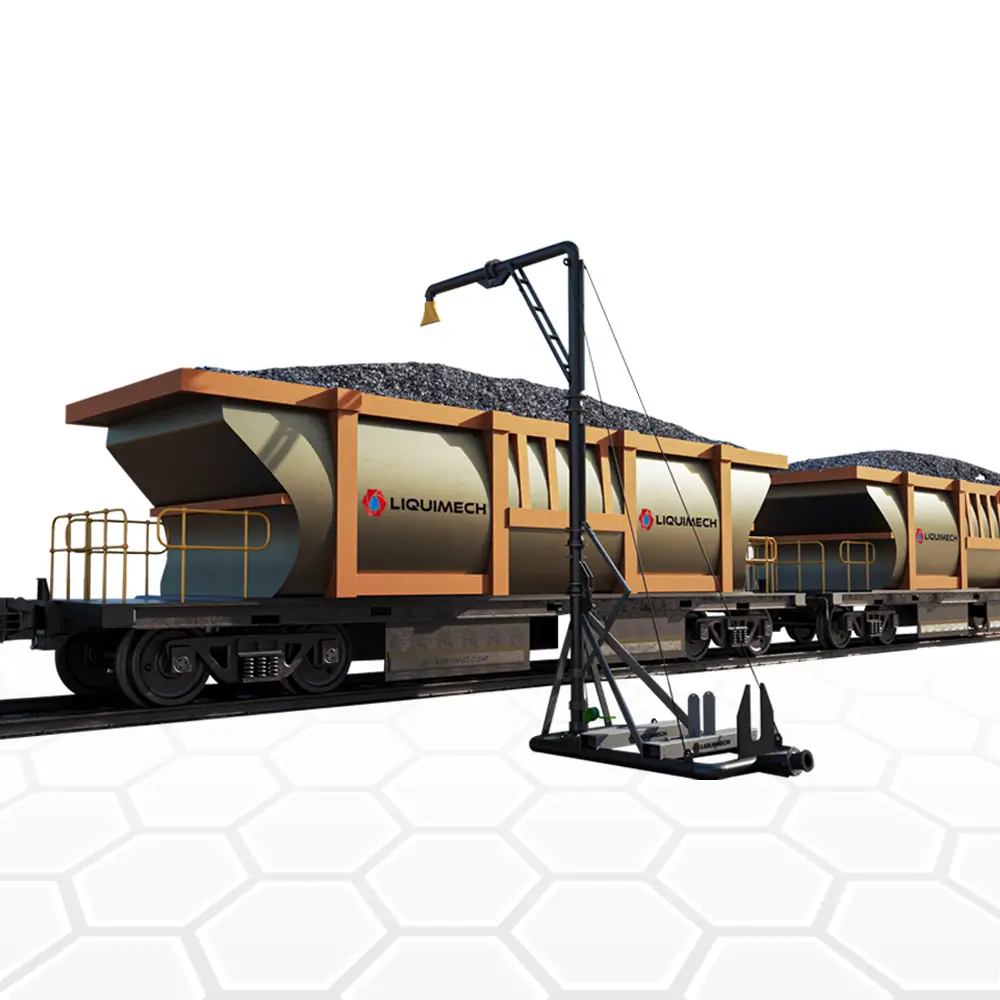
On mine sites, a dust suppression cannon can be deployed at stockpiles, ROM bins, drop points, conveyor transfer points, and crushers. The mobile nature allows units to follow moving dust sources such as material handling equipment and haul roads.
Quarrying Operations
Quarry dust generated during crushing, screening, and stockpiling can be effectively managed. Units can be positioned at stationary equipment or moved as extraction areas change.
Construction and Demolition Sites
Demolition of existing buildings and construction of new structures creates problematic dust emissions. A portable dust suppression cannon can be repositioned daily to address active work areas, reducing impacts on surrounding buildings and public facilities.
Waste and Recycling Facilities
Material recovery facilities, transfer stations, and landfills generate dust from sorting lines, processing demolition materials, stockpiles, and vehicle movement. Mobile cannons help control dust across these environments.
How to Select a Dust Suppression Cannon
When choosing a dust suppression cannon for your site, consider the following factors:
- Site Size and Layout – Determine required throw distance and coverage area
- Dust Source Mobility – Decide between fixed installation or mobile/trailer-mounted unit
- Water Availability – Consider flow rate requirements and source proximity
- Power Source – Evaluate access to mains power or generator requirements
- Dust Particle Characteristics – Understand particle size, type, and quantity
- Regulatory Requirements – Identify local air quality and environmental standards
Installation and Deployment Options
Dust suppression cannon systems can be configured in multiple ways:
- Mobile / Trailer-mounted – Towed behind vehicles, ideal for changing sites
- Skid-mounted – Placed on stable surfaces, easily relocated with equipment
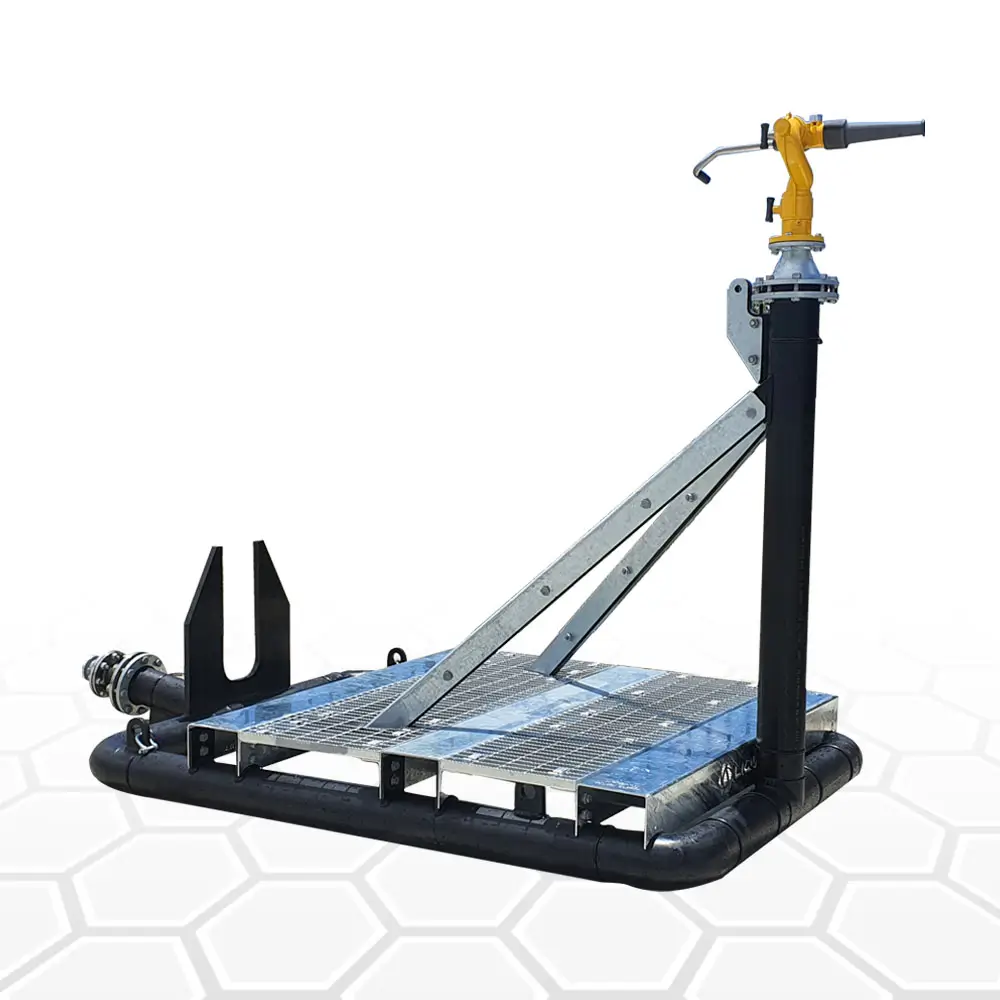
- Fixed / Pedestal-mounted – Permanent installation for stationary dust sources
- Vehicle-mounted – Attached to trucks or loaders for active dust chasing
The rolling design with heavy-duty galvanised construction and wide stable base ensures durability while allowing easy repositioning as project phases change.
Water Droplet Size: Technical Explanation
To maximise dust capture, water droplets ideally should be similar in size to the target dust particles.
- Droplets that are too large may deflect dust particles, leaving them airborne
- Droplets that are too fine may evaporate before contact
- Correctly sized droplets bind with dust particles, increasing their weight and causing them to fall
Quality dust suppression cannon systems use precision-engineered nozzles to produce optimal droplet size ranges for common industrial dust types.
Environmental and Regulatory Benefits
Implementing a dust suppression cannon can assist facilities in:
- Meeting environmental air quality standards
- Demonstrating reasonable and practicable dust control measures
- Reducing nuisance complaints from neighbouring properties
- Lowering contamination risks to nearby ecosystems
- Avoiding potential fines or operational restrictions
The low-volume water usage also supports sustainable operations by avoiding oversaturation, runoff, pooling, and mud formation that are common with older systems.
Maintenance and Operation Considerations
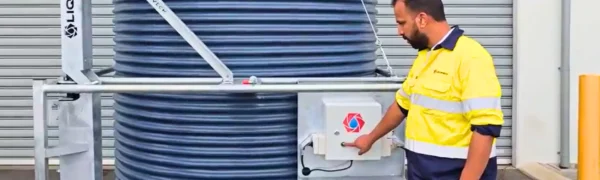
Dust suppression cannon systems are designed for simple operation, often with remote control functionality. Routine maintenance typically includes:
- Regular nozzle inspection and cleaning
- Pump and filter maintenance
Heavy-duty galvanised construction reduces corrosion risk, extending service life in harsh industrial environments.

Airborne Dust Risks? Here’s Your Solution
Liquimech dust suppression cannon is proven, effective equipment for controlling airborne dust across mining, quarrying, construction, demolition, and recycling sites. With features such as heavy-duty galvanised construction, a rolling design for easy repositioning, a wide stable base, and adaptability to any requirement, these systems offer a practical solution for dynamic worksites.
By optimising droplet size, minimising water and energy consumption, and allowing flexible deployment, a quality dust suppression cannon helps operators improve site safety, protect worker health, maintain good neighbour relations, and meet environmental compliance obligations.
For professional advice, system design, and installation services, consult a Liquimech dust control expert who can assess your specific site conditions and recommend an appropriate solution.