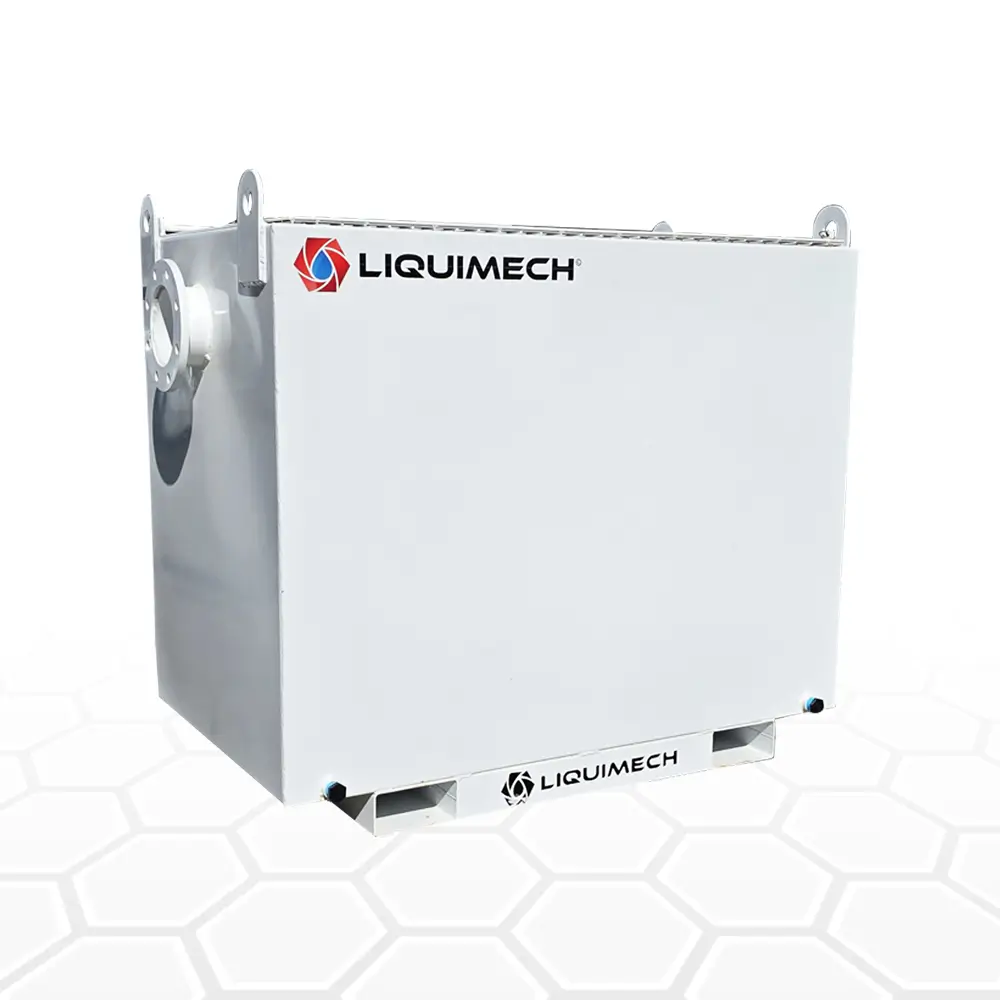
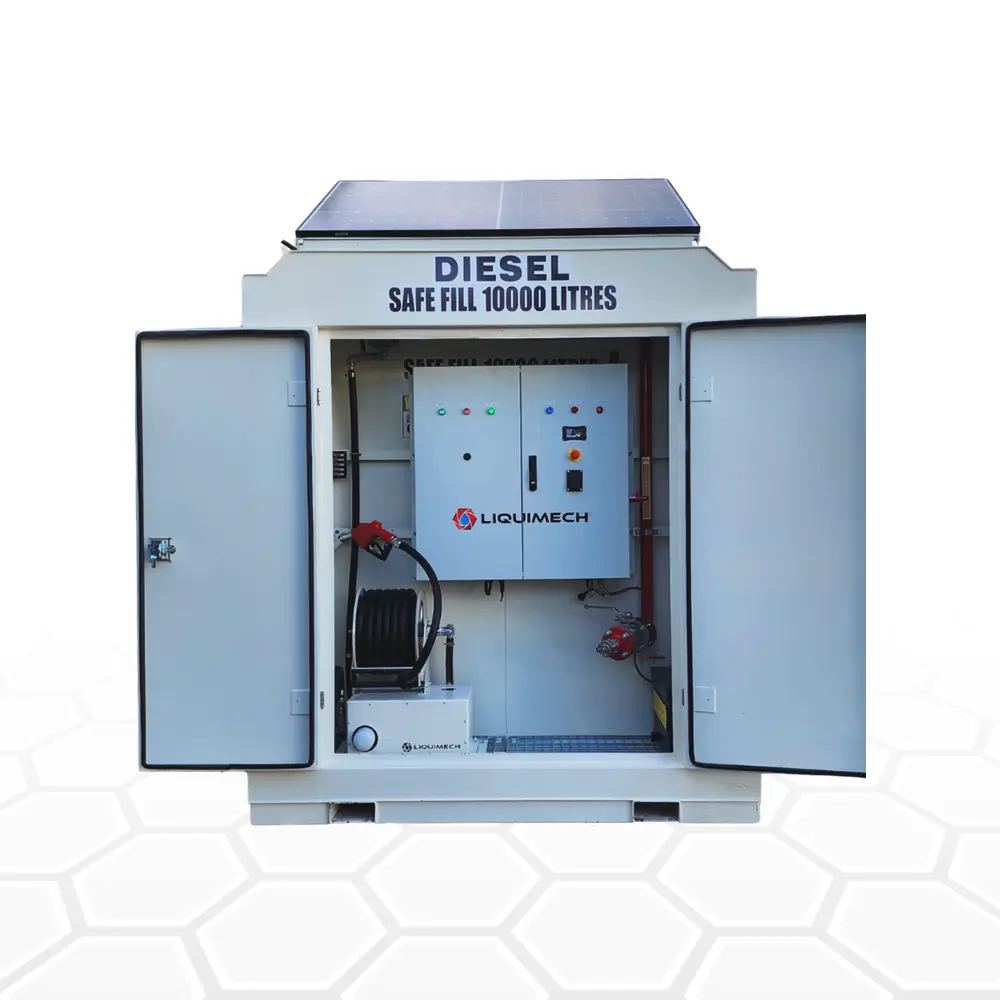
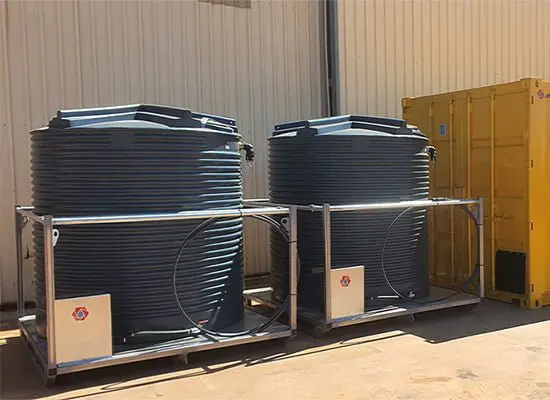
Liquid infrastructure is the engineered system used to store, transfer, distribute, control and manage liquids across a site or operation.
In Australian mining, construction and civil projects, liquid infrastructure can range from a relatively simple water storage and transfer arrangement to a complex network of tanks, pumps, pipework, valves, truck fill points, controls and monitoring equipment.
The important distinction is that liquid infrastructure is not simply a collection of individual products.
A pump needs to work with the pipework. The pipework needs to deliver the required flow and pressure. Storage needs to provide sufficient capacity for the operating cycle. Valves and controls need to regulate the system correctly. Access and maintenance need to be considered during design. The entire system needs to work within the physical and operating conditions of the site.
This is why Liquimech approaches liquid infrastructure through a design-and-construct model.
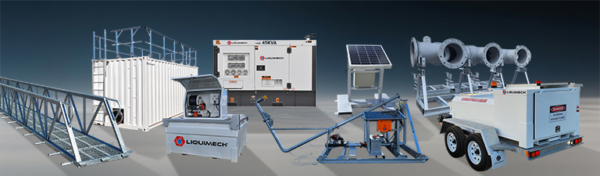
Rather than starting with an off-the-shelf product and adapting the project around it, the process starts with the application, site requirements and operational objectives. The resulting system is then engineered, manufactured and delivered around those requirements.
For mining, construction and civil projects where liquid management directly supports production, safety and site operations, that difference matters.
What Is Liquid Infrastructure?
Liquid infrastructure encompasses the physical equipment and engineered systems required to manage liquids from their source through to their point of use, storage or discharge.
The liquid may be water, fuel, process liquid, wastewater or another fluid, depending on the application.
A system may incorporate storage tanks, pumps, pipework, valves, standpipes, flow-control equipment, strainers, monitoring systems and supporting structures. More complex installations can also incorporate automated controls, telemetry, dosing or mixing equipment.
The individual components are important, but the system relationship between those components is what determines how the infrastructure performs.
Consider a water truck filling system. The truck does not simply require a standpipe. The standpipe is the final connection between the truck and a wider system that may include a water source, storage tank, pump, suction arrangement, filtration, pipework, valves, flow control and monitoring.
If the pump cannot provide the required duty, the standpipe cannot deliver the required filling performance. If the pipework is incorrectly sized or the suction arrangement is unsuitable, the pump may not operate as intended. If the filling point is poorly positioned, the system may create operational bottlenecks.
The infrastructure therefore needs to be considered as a complete liquid management system, rather than as isolated equipment.
Why Liquid Infrastructure Needs to Be Designed Around the Site
There is no universal liquid infrastructure configuration that suits every Australian project.
A remote mining operation may require high-volume water transfer over significant distances. A civil construction project may need temporary storage and truck filling that can be relocated as the work front moves. An industrial facility may require a permanent system with automated pumping, controlled distribution and continuous monitoring.
The engineering requirements change with the application.
Flow rate, pressure, storage volume and transfer distance are obvious considerations, but they are not the only ones. Site elevation, available power, liquid characteristics, operating cycles, access, environmental exposure, maintenance requirements and future expansion can also influence the design.
For example, increasing the required flow rate does not simply mean selecting a larger pump. The complete hydraulic system needs to support that flow. Pipe diameter, suction conditions, fittings, valves, elevation changes and discharge requirements all influence the pump’s operating duty.
Similarly, increasing storage capacity can affect the footprint, structural requirements, access arrangements, transport and installation methodology.
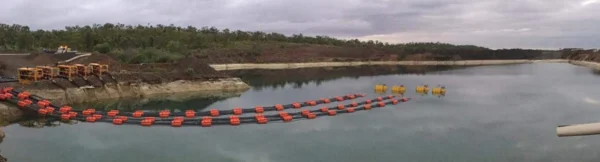
Good liquid infrastructure design considers these relationships before equipment is selected.
The Design-and-Construct Approach
A design-and-construct approach brings engineering and project delivery together.
For Liquimech, this begins with understanding what the client needs the liquid infrastructure to achieve.
The first question is not necessarily “Which product do you need?”
It is:
“What does the site need the liquid system to do?”
That could mean filling water carts more efficiently, transferring water between remote locations, supplying process water, managing site water, supporting dust suppression, providing liquid storage or integrating multiple systems into a coordinated installation.
Once the operational requirement is understood, the system can be developed around it.
From Requirement to System Design
The initial design process considers the source of the liquid, where it needs to go, the required volume and flow, how frequently the system will operate and the physical conditions under which it will operate.
This provides the basis for developing the system architecture.
A simplified liquid infrastructure system might follow:
- 1. Source 2. Storage 3. Pumping 4. Transfer 5. Flow Control 6. Point of Use
Not every project will contain every stage, and some systems will include multiple storage or distribution points. The important consideration is understanding how each stage interacts with the next.
This system-level approach helps avoid a common problem in infrastructure projects: selecting equipment individually without fully considering how the equipment will operate together.
Engineering the System
This covers equipment layout, connection points, supporting structures, access and installation requirements.
For example, a pump package may need to connect to an existing storage tank, pipework, electrical supply and control system. These connections need to be planned as part of the design so everything fits the site and works properly once installed.
The goal is simple: make sure the equipment, infrastructure and site all work together.
Manufacture and Construction
Once the design is finalised, the required equipment and fabricated components can be manufactured, assembled and tested.
Depending on the project, this may include pump packages, standpipes, pipework, skids, storage components, valves, controls, access structures and other supporting infrastructure.
Where components are fabricated for the project, dimensions, connection points and equipment connections can be checked before anything is delivered to site. This can reduce problems during installation and help ensure the components fit as intended.
With a design-and-construct approach, construction requirements are considered during the design stage rather than after the equipment has already been specified.
Delivery and Commissioning
The project does not finish when the equipment leaves the workshop.
Installation, testing and commissioning make sure the system is installed correctly and operates as designed. Pumps, valves, controls and other components are checked together before the system is handed over.
This ensures the infrastructure is ready for operation.
Liquid Infrastructure for Mining
Mining sites can require liquid infrastructure for water storage, transfer, dust suppression, process water, dewatering and truck filling.
The scale of a mining site can make system design more demanding. Water may need to travel long distances or across changes in elevation. Pump selection therefore needs to consider flow, total head, pipe size, fittings, valves and suction conditions.
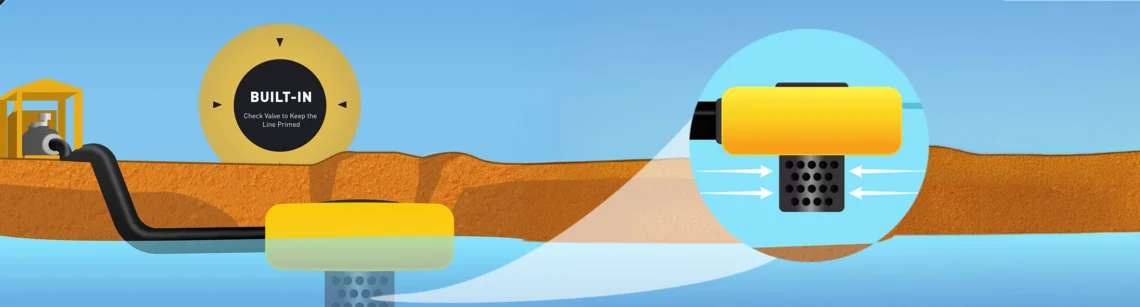
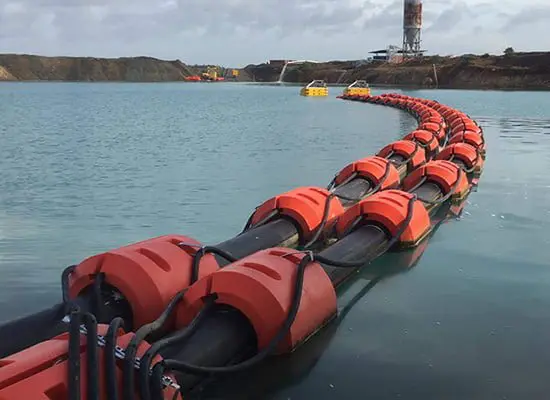
The water source also matters. Pumps drawing from dams, ponds or other open sources may require floating intakes, strainers or pontoons, particularly where water levels change.
Dewatering brings different requirements. Depending on the application, systems may need to handle groundwater, surface water or liquids containing solids. Water treatment or sediment management may also be required before water is discharged or reused.
For high-use applications such as water truck filling, storage capacity, pump duty, filling rate and site access all affect how the system performs.
Liquimech provides equipment and engineered systems for these applications, including pump packages, storage tanks, standpipes, dust suppression, dewatering, water treatment, flow control and telemetry.
Liquid Infrastructure for Construction and Civil Projects
Construction and civil sites often have changing liquid requirements. Excavation areas move, access routes change and temporary systems may need to be relocated as the project progresses.
Liquid infrastructure can support dewatering, dust suppression, equipment washdown, water supply, sediment management, treatment and temporary storage.
Dewatering is common during excavation. Wellpoint systems can lower groundwater around an excavation, while other pump systems can manage surface water and runoff. The right configuration depends on groundwater conditions, flow requirements, excavation depth and discharge arrangements.
Water may also require treatment before discharge or reuse. Sediment tanks and treatment systems can help manage water quality where construction runoff contains suspended solids or other contaminants.
For temporary sites, transport and relocation can also influence the design. Storage tanks, pump packages and washdown equipment may need to be portable and easy to install.
The system therefore needs to suit both the liquid requirement and the way the construction site operates.
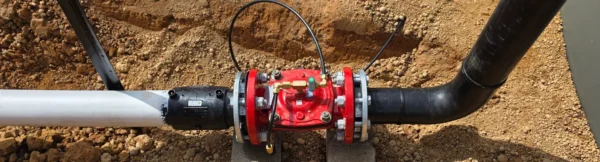
Designing Liquid Storage as Part of the System
Choosing a tank is not just about capacity.
The tank needs to suit the liquid, how it is filled, how quickly it is used and what equipment it connects to. Outlets, vents, access, level monitoring and supporting structures may also form part of the design.
A bulk water tank supplying a pump has different requirements from a process tank used for treatment or liquid conditioning.
The operating cycle also matters. A remote site relying on periodic deliveries may need more storage than a site with a continuous water supply.
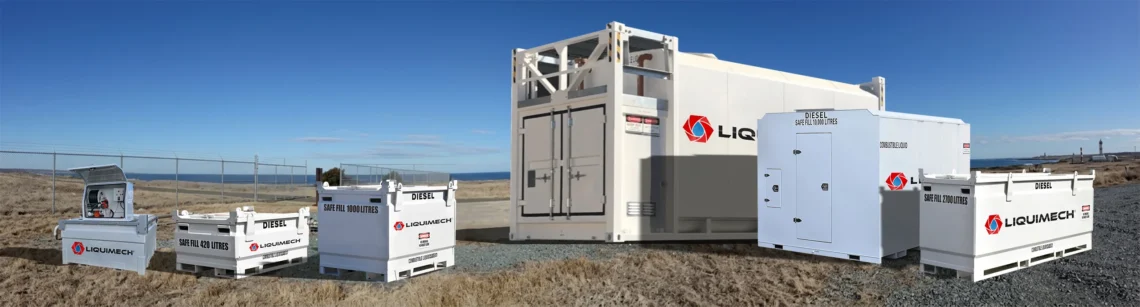
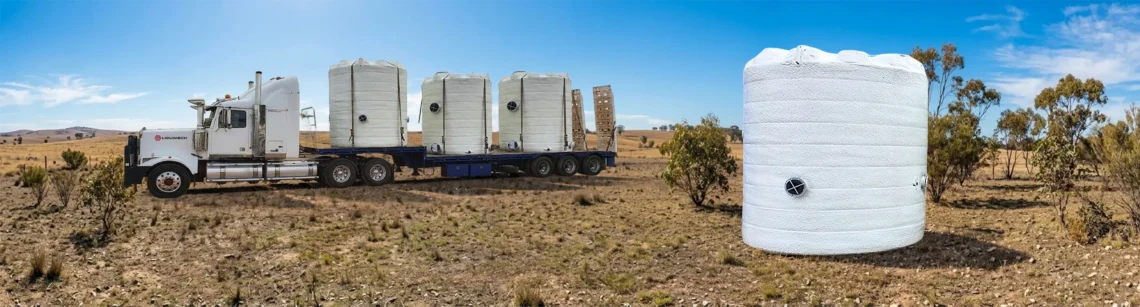
Liquimech provides bulk water storage, break tanks, process tanks and other storage configurations for different liquid-management applications.
For fuel, chemicals and other regulated liquids, additional requirements may apply. For example, AS 1940:2017 covers the storage and handling of flammable and combustible liquids. The applicable requirements depend on the liquid, quantity, installation and operating conditions.
Pumping and Liquid Transfer Infrastructure
Pump selection starts with the required duty, not the pump’s maximum flow rate.
Flow, total head, elevation, pipework, fittings, valves and suction conditions all affect pump performance. The liquid itself also matters, particularly where solids, slurry or abrasive materials are involved.
Liquimech supplies pump packages and supporting equipment including suction and discharge hoses, strainers, foot valves, flow meters, valves, pipe floats and control systems.
Depending on the application, pump packages can be skid-mounted, trailer-mounted or configured for floating water sources.
The pump, suction arrangement, pipework and controls need to be considered together to achieve the required operating performance.
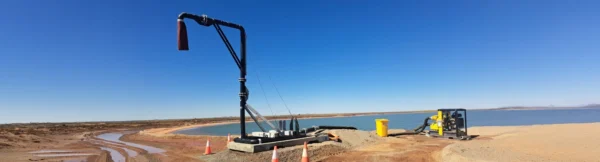
Standpipes and High-Flow Truck Filling
Water truck filling is a high-use application where filling performance can affect site productivity.
A standpipe is only the connection point. The complete system can include storage, pumps, suction equipment, pipework, valves, flow meters, controls and telemetry.
Flow requirements, truck dimensions, pump duty, water supply, filling location and site traffic all influence the design.
Liquimech standpipe pump packages can integrate these components into a complete filling system for mining, civil and other high-demand applications.
The goal is to provide a filling system that works with the site’s water infrastructure and operating workflow.
Flow Control, Monitoring and Automation
As liquid systems become more complex, monitoring helps operators see what is happening across the system.
Depending on the application, this can include tank levels, flow rates, pressure, pump status and valve operation.
Controls can automate functions such as starting or stopping pumps based on tank levels or other defined conditions. Telemetry can also provide remote visibility of equipment and operating data.
Liquimech provides flow measurement, telemetry, remote pump control and automated liquid-management systems.
Automation should be matched to the site’s operating requirements, reliability needs and maintenance capability.
Liquid Infrastructure for Dust Suppression
Dust suppression depends on more than having a water supply. Water needs to reach the right areas at the required flow and pressure.
A system may include storage tanks, pumps, pipework, spray bars, sprinklers, dust suppression towers or other application equipment.
Liquimech provides dust suppression solutions including sprinkler tank systems, dust suppression towers and conveyor dust suppression systems. Depending on the application, systems can also accommodate chemical additives and different water qualities.
For larger sites, dust suppression can be integrated with existing storage, pumping and control infrastructure rather than operated as a separate system.
The design depends on the area being treated, available water, application method and required operating conditions.
Designing for Australia’s Operating Environment
Australian liquid infrastructure can be exposed to conditions that place significant demands on equipment.
Remote mining and civil projects may experience high temperatures, intense UV exposure, dust, vibration, corrosive environments and difficult access.
These conditions should be considered during design rather than treated as an afterthought.
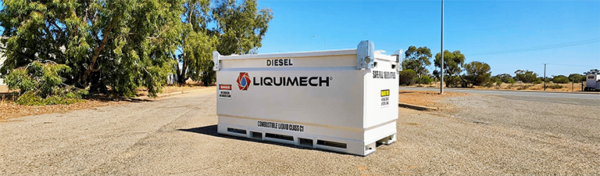
Material selection, coatings, component protection, equipment placement, access and maintenance requirements can all influence long-term performance.
However, designing for harsh conditions does not simply mean specifying the largest or heaviest component available.
The objective is to select materials and equipment appropriate to the actual environment and duty.
A system operating in a remote mine site, for example, may have very different requirements from a liquid system inside a controlled industrial facility.
Engineering for Australian conditions means engineering for the actual site.
Why Design and Construct Matters
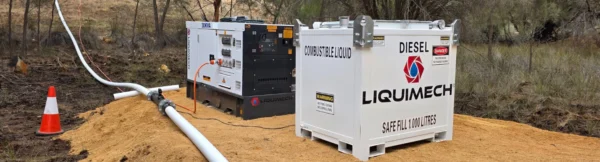
Liquid infrastructure brings together multiple components that need to work together.
- The tank connects to the pump.
- The pump connects to the pipework.
- The pipework connects to valves and the final point of use.
- Controls interact with pumps, valves and instrumentation.
- Supporting structures need to accommodate the equipment, while maintenance access needs to be considered around the installation.
When these elements are designed or supplied independently, compatibility and installation issues can arise between components.
A design-and-construct approach considers how these components need to work together from the start. It can also simplify coordination by bringing engineering, equipment, fabrication and construction requirements together as part of one project.
Frequently Asked Questions
What is liquid infrastructure?
Liquid infrastructure is the engineered equipment and supporting systems used to store, transfer, distribute, control and manage liquids. It can include tanks, pumps, pipework, valves, standpipes, flow-control equipment, monitoring systems and supporting structures.
What is liquid infrastructure design and construct?
Liquid infrastructure design and construct is an approach where the liquid management system is developed around the project’s requirements and then engineered, manufactured or constructed and delivered as an integrated solution.
Does Liquimech sell off-the-shelf liquid infrastructure?
Liquimech provides a range of equipment and engineered systems, but liquid infrastructure projects are approached according to the application and project requirements. Components can be configured and integrated to suit the intended operation rather than treating one standard configuration as suitable for every site.
What industries require liquid infrastructure?
Mining, construction, civil infrastructure, agriculture and industrial operations can all require liquid infrastructure. Applications include water transfer, storage, truck filling, pumping, dust suppression, dewatering, fuel management and other liquid handling requirements.
What factors affect liquid infrastructure design?
The main considerations can include the liquid being handled, required flow and pressure, storage capacity, transfer distance, elevation, site layout, equipment duty, environmental conditions, power availability, maintenance access, controls and applicable standards.
Why is hydraulic design important for liquid infrastructure?
Hydraulic design helps determine how liquid will move through the system and how equipment such as pumps, pipework and valves need to be configured. Flow rate, pressure, elevation, pipe length, pipe diameter, fittings and system losses can all affect the required pump duty and system performance.
Can existing equipment be incorporated into a new liquid infrastructure system?
Potentially, depending on the condition, specifications and compatibility of the existing equipment. An engineering assessment can determine whether existing tanks, pumps, pipework or controls can be incorporated into the proposed system.
Can liquid infrastructure include automation?
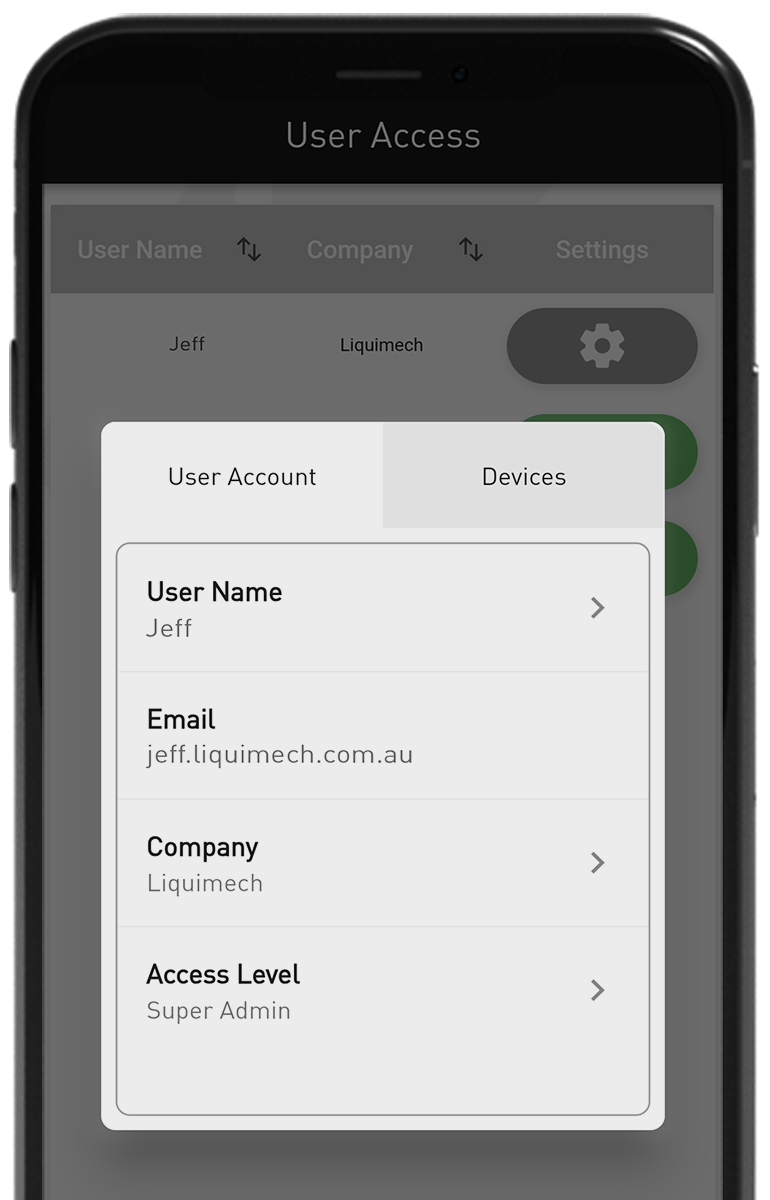
Yes. Depending on the application, a system can incorporate tank-level monitoring, flow measurement, automated pump control, valves, access control, telemetry and remote monitoring.
How does design and construct differ from buying individual equipment?
Buying individual equipment focuses primarily on the specifications of each component. A design-and-construct approach considers the complete system, including how storage, pumping, pipework, valves, controls and the point of use need to operate together.
Can Liquimech design liquid infrastructure for remote mining sites?
Yes. Liquimech develops liquid management solutions for mining and other demanding Australian applications, with system design based on the project’s operating requirements, site conditions and equipment requirements.
Design the System Around the Site
Liquid infrastructure is about more than moving liquid from one location to another. It needs to support how the site actually operates.
Water needs to reach the right location at the required flow. Storage needs to provide enough capacity. Pumps need to provide the required flow and pressure, while pipework, valves and controls need to work together.
These requirements are connected, so the system needs to be considered as a whole.
That is why good liquid infrastructure starts with understanding the application before selecting the equipment.
Liquimech provides design-and-construct liquid management solutions for Australian mining, construction, civil and industrial projects, bringing engineering, equipment and infrastructure together around the requirements of each site.
You Define, We Design.