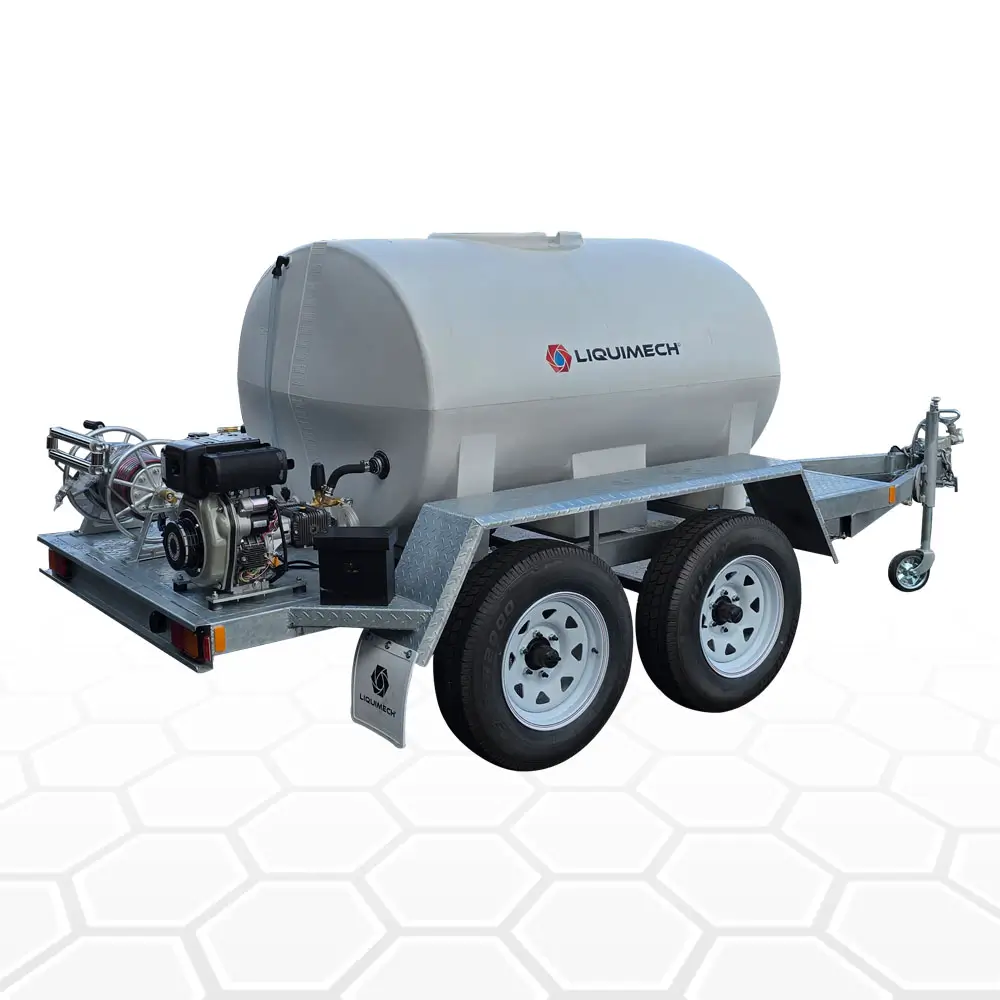

Mud, gravel and other debris carried on truck tyres can spread beyond a site entrance, contaminate access roads and increase cleaning requirements. Truck wheel wash systems help reduce this carry-out by washing wheels and tyres before vehicles leave a site. Depending on the design, some systems also clean parts of the undercarriage.
Selecting the right system involves more than comparing equipment types. Vehicle dimensions, traffic volumes, site layout, water supply, sediment collection and maintenance access all affect suitability. Poorly planned installations can create vehicle queues, complicate water management or fail to achieve the required cleaning outcome.

This guide explains how truck wheel wash systems work, how to compare permanent and mobile configurations, and what to consider when planning water supply, wash-water capture and supporting infrastructure. Liquimech supplies industrial liquid-management equipment that may support these requirements but does not supply wheel-wash units.
What Are Truck Wheel Wash Systems?
Truck wheel wash systems are installations designed to remove soil and debris from vehicle wheels and tyres before vehicles leave a worksite. They are commonly considered for mining, construction and other operations where vehicles travel over soil, gravel or disturbed ground.
Tyre tread, wheel surfaces and surrounding components can carry material beyond the site boundary. Depending on the vehicle and operating conditions, mud and debris may also accumulate around wheel arches or beneath the chassis.
A wheel-wash installation provides a designated area for cleaning vehicles along their departure route. Its effectiveness depends on the equipment design, vehicle characteristics, soil conditions and operating procedure.

What Does a Truck Wheel Wash System Clean?
Wheel washing primarily targets wheels and tyres. Some configurations also direct water towards parts of the undercarriage, while others focus on wheel and tyre surfaces.
Establish the required cleaning coverage before selecting equipment. If the objective includes removing material from the chassis or underbody, confirm that the proposed system is designed for that task rather than assuming a wheel-wash unit will clean the entire vehicle.
Cleaning results can vary with:
- Vehicle and wheel dimensions.
- Tyre tread patterns and the amount of accumulated soil.
- Soil type, moisture content and debris characteristics.
- Water delivery, equipment configuration and operating settings.
- Vehicle movement through the wash zone.
- Inspection, cleaning and maintenance practices.
Where Should a Wheel Wash Be Positioned?
The vehicle exit is a logical location to assess because it provides an opportunity to reduce material carried from the work area onto access roads. However, the wash point must suit the full vehicle route, not simply the available space beside the gate.
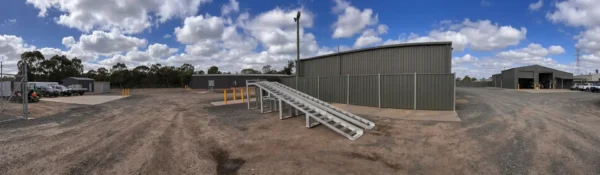
Before selecting a location, assess:
- Truck approach, alignment and turning movements.
- Available space for entry, washing and exit.
- Queue capacity during peak departure periods.
- Separation from pedestrians and other site traffic.
- Ground conditions, drainage and water collection.
- Access for inspections, sediment removal and maintenance.
A construction project with changing access routes may have different placement requirements from a mine with an established heavy-vehicle departure route. Base the layout on actual vehicle movements and the expected duration of operations.
The objective is to position the wash where vehicles can use it safely and consistently without obstructing other site activities.
How Do Truck Wheel Wash Systems Work?
A typical truck wheel wash guides a vehicle through a designated washing area, where equipment applies water to the wheels and tyres. Depending on the design, the system may use spray nozzles, rollers or other wheel-contact mechanisms.
Used water and dislodged material must then be managed according to the installation design. Some systems incorporate collection and water-recovery components, while others require separate arrangements for collecting or managing wash water.
The equipment, operating sequence and supporting infrastructure vary by model.
Permanent vs Mobile Truck Wheel Wash Systems
| Consideration | Permanent Installation | Mobile Installation |
| Location | Installed at a designated wash point for ongoing use | Designed to be relocated between suitable operating locations, depending on the unit’s configuration |
| Site Preparation | May require civil works, foundations, drainage and fixed service connections, depending on the system design | Requires suitable ground conditions, vehicle access and the necessary water, power and drainage arrangements at each deployment |
| Vehicle Route | Suits established vehicle routes with a designated entry, wash and exit area | Requires the layout and access arrangements to suit the vehicle route at each deployment |
| Project Duration | Often suited to long-term operations with consistent vehicle movements through a designated wash point | May suit temporary projects, changing work areas or operations where the wash location needs to change |
| Maintenance Access | Allow access to wash equipment, pumps, drainage and sediment collection areas for routine maintenance | Confirm access for inspection, cleaning and servicing, including any requirements associated with relocation |
Neither approach is automatically better. Compare site preparation, operating conditions, installation costs, relocation needs and maintenance responsibilities against the project’s requirements.
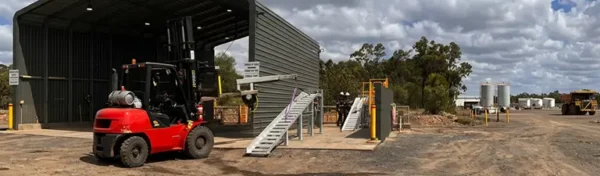
How to Choose a Truck Wheel Wash System
Start by defining the cleaning task, the vehicles involved and the conditions in which the system will operate.
1. Assess Vehicle Types and Traffic Volumes
Record the vehicle types using the exit, including their dimensions, wheel configurations and any differences that could affect cleaning coverage.
Average daily traffic alone may not be enough to determine capacity requirements. A site may experience concentrated vehicle movements during shift changes, material dispatch or the end of a work period.
Prepare a traffic assessment that includes:
- Vehicle types and relevant dimensions.
- Expected daily movements and peak departure periods.
- Likely queues and available holding space.
- Entry and exit geometry.
- Interaction with other vehicles and site access points.
2. Define the Required Cleaning Outcome
Establish which vehicles and areas need cleaning and how the site will evaluate performance.
For example, the requirement may focus on reducing soil carried out on tyres, or it may extend to specified areas of the undercarriage. The equipment must be designed for the intended coverage.
3. Check Site Layout and Ground Conditions
The available footprint affects equipment placement, vehicle alignment, access and maintenance. Ground conditions and the proposed installation method may also influence site preparation.
Review the proposed location. Identify any requirements for foundations, access ramps, drainage, service connections and separation from other site activities.
Allow sufficient space for operators to inspect and maintain the installation safely. Do not finalise the location based on equipment dimensions alone.
4. Confirm Water and Supporting Service Requirements
Check the proposed system’s water demand, supply conditions and connection requirements. Determine whether separate pumping, storage or pipework is needed and whether the available site services can support the installation.
If the design includes water collection, treatment or reuse, identify the equipment required for each function and confirm how the components will work together.
Do not assume that a particular flow rate, water-recovery rate or storage capacity will suit every site. Obtain model-specific requirements and assess them against the project design.
5. Evaluate Operation and Maintenance
A suitable system must be practical to operate and maintain under the site’s working conditions.
- Who operates and inspects the equipment.
- Which checks are required before or during operation.
- How spray components, collection areas and other serviceable parts are accessed.
- How accumulated sediment is removed and managed.
- How faults, blockages and maintenance activities are handled.
- Whether maintenance can be performed without creating avoidable traffic disruption.
Separate essential requirements from optional features. Additional controls or monitoring functions are useful when they address a defined operating need and can be maintained by the site team.
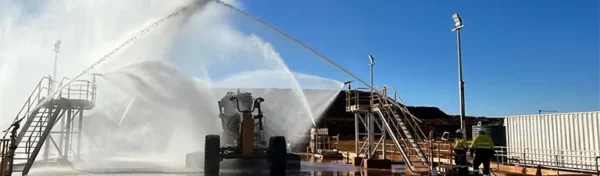
Truck Wheel Wash System Selection Checklist
Use this checklist to prepare a consistent brief for prospective suppliers.
- Vehicle types, wheel configurations and dimensions documented.
- Expected traffic volumes and peak departure periods identified.
- Required cleaning coverage defined.
- Site footprint, vehicle route and ground conditions assessed.
- Water supply and connection requirements confirmed.
- Wash-water collection and sediment management considered.
- Treatment or reuse requirements identified, where applicable.
- Maintenance access and operator responsibilities established.
- Applicable environmental and discharge requirements checked.
- Supplier scope, exclusions and site preparation requirements documented.
A shared brief makes it easier to compare proposals on the same basis and identify differences in equipment scope, operating assumptions and installation requirements.
Water Management for Truck Wheel Wash Systems
Water management is a key part of planning a wheel-wash installation. The design needs to account for the water entering the system, the water leaving the wash zone and the solids removed from vehicles.
Before selecting equipment, map the intended water path from supply through washing, collection and any proposed treatment, reuse or discharge.
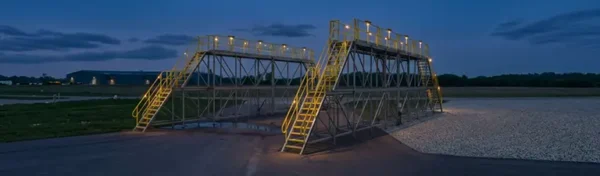
What Water Supply Infrastructure Is Required?
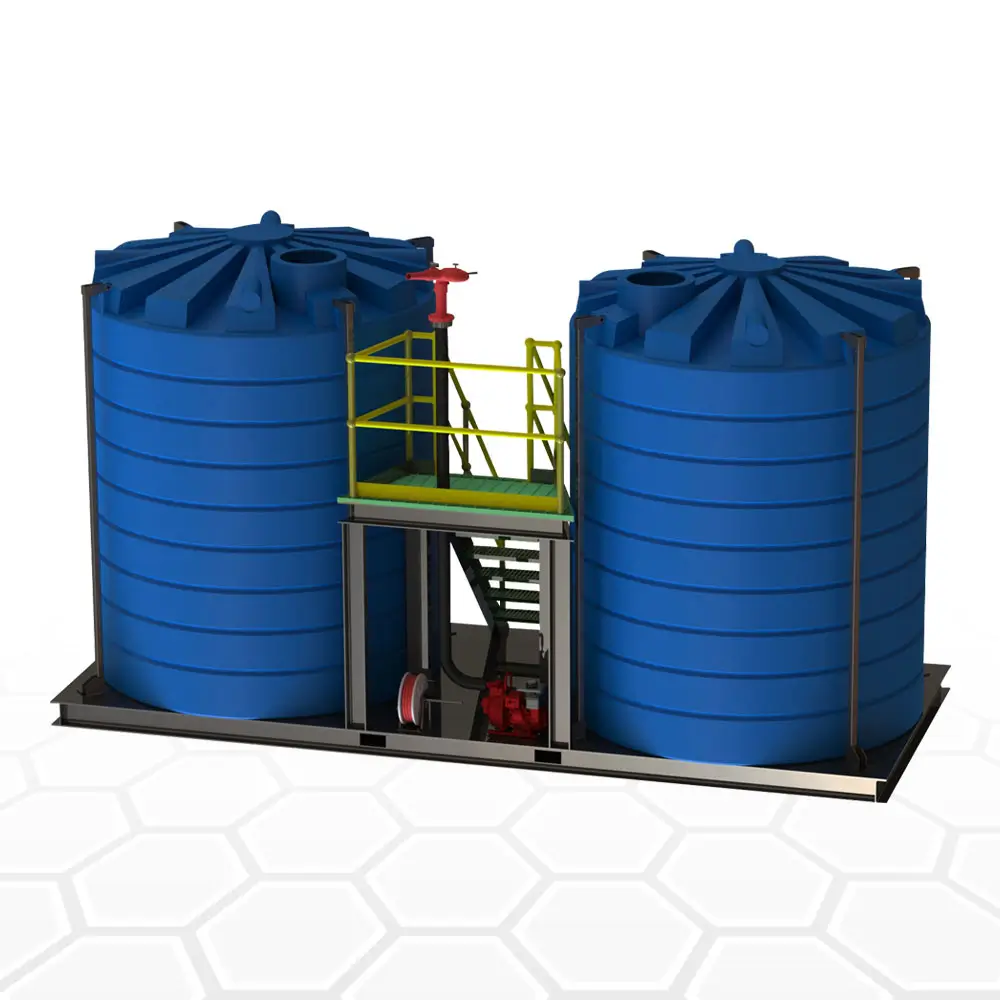
The required infrastructure depends on the wash system and site conditions. Some installations may need separate pumps, self-contained or storage tanks and pipework to provide the required supply, while others may incorporate some of these components.
Confirm the following with the wheel-wash supplier and project specialists:
- Required water supply conditions and operating demand.
- Pumping requirements, including specified flow and pressure.
- Storage requirements, where supply availability or operating demand makes storage necessary.
- Pipework routes, connection points and associated controls.
- Access for inspection, isolation and maintenance.
Confirm equipment specifications against the proposed installation and operating conditions. Pump capacity, storage volume and piping arrangements should be determined from system requirements, not selected independently.
How Should Wash Water and Sediment Be Managed?
Water used for washing may carry soil, fine sediment and other material removed from vehicles. The installation needs a defined method for collecting and managing this material.
Depending on the design, the arrangement may include collection sumps, sediment separation, storage or additional treatment. These functions are distinct: collecting water does not necessarily remove sediment, and sediment separation does not automatically make water suitable for reuse or discharge.
Before finalising the design, establish:
- Where wash water will collect.
- How solids will settle or be separated, if required.
- How accumulated sediment will be accessed and removed.
- Whether water treatment or reuse is proposed.
- How excess water and any discharge will be managed.
- Who is responsible for monitoring and maintaining the arrangement.
Environmental and discharge requirements vary by jurisdiction, site and project. Confirm the applicable requirements with the relevant authority and project specialists before approving the proposed water-management arrangement.
How Can You Plan for Reliable Operation?
Coordinate the wheel-wash equipment and supporting infrastructure before installation begins.
Assess: Document the vehicle route, site layout, water source, drainage, operating conditions and maintenance constraints.
Design: Coordinate the wash unit, pumping, storage, and pipework
Prepare: Confirm site works, equipment access, service connections, operating procedures and maintenance responsibilities.
Maintain: Establish inspection schedules, sediment-removal procedures and arrangements for responding to blockages
Document each component, who completes the site works, who verifies the connections and who maintains the installation after commissioning.
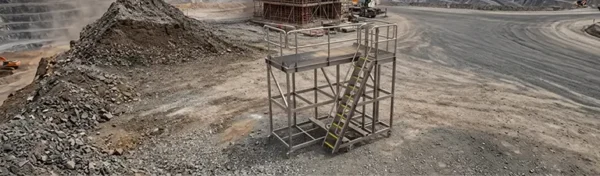
Which Supporting Components Should Be Considered?
Depending on the selected wash system, the wider installation may require:
- Pumps: To provide the flow and pressure specified for the application.
- Bulk liquid storage: To provide water storage where required by the site design.
- Hose and piping: To connect supply, pumping, storage and other equipment.
- Flow-control equipment: To support the required operating and isolation arrangements.
Liquimech: Industrial Liquid-Management Equipment for Site Infrastructure
Liquimech is an Australian-owned and operated engineering and manufacturing company supplying industrial liquid-management equipment for applications across mining, civil construction, infrastructure and other industrial sectors.
Its equipment range includes industrial pumps, bulk liquid storage tanks, hose and piping, and flow-control equipment. Depending on the project design, these components may support the water supply, transfer and storage requirements associated with truck wheel wash installations. If your project requires supporting liquid-management equipment, contact Liquimech to discuss the application requirements and define the relevant equipment scope.
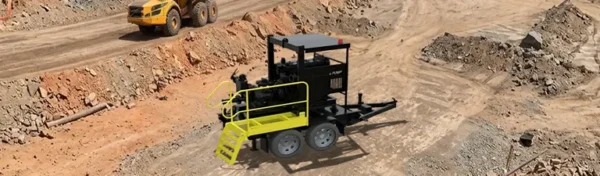
Frequently Asked Questions
What is a truck wheel wash system?
A truck wheel wash system is equipment designed to remove soil and debris from vehicle wheels and tyres before vehicles leave a site. Depending on the configuration, it may also clean parts of the undercarriage. Cleaning coverage and performance vary by model, vehicle type and operating conditions, so confirm that the proposed system is designed for the required task.
How does an automated truck wheel wash work?
An automated truck wheel wash uses equipment to apply water to wheels and tyres as a vehicle passes through or enters a designated washing area. Depending on the model, the system may use spray nozzles, rollers or other mechanisms. The operating sequence, controls and water-collection arrangements vary. Confirm whether vehicles must stop, how they are guided through the wash and what operators need to do.
What is the difference between mobile and permanent truck wheel wash systems?
A permanent system is intended for a fixed installation, while a mobile system may be relocated where the equipment design permits. The choice depends on project duration, site layout, ground conditions, vehicle movements and installation requirements. Confirm the preparation, connections and relocation requirements of the specific unit before selecting an option.
How much water does a truck wheel wash system use?
Water consumption depends on the equipment design, operating settings, vehicle condition and site requirements. There is no single water-use figure that applies to every truck wheel wash system.
Can truck wheel wash water be recycled?
Some truck wheel wash systems are designed to collect and reuse wash water. The method and achievable results depend on the equipment, water quality, sediment load and operating conditions. Confirm which recovery and treatment components are included, how solids will be managed and whether the resulting water is suitable for the intended reuse. Any proposed reuse or discharge arrangement should be assessed against applicable project requirements.
How do you manage sediment from a truck wheel wash?
Sediment management depends on the amount and type of material removed from vehicles and the collection system’s design. The installation may require sediment separation, accessible collection areas and a defined removal procedure. Plan how accumulated solids will be inspected, removed, temporarily stored and managed, and assign responsibility for routine maintenance.
What should you consider before installing a truck wheel wash system?
Assess vehicle dimensions, traffic volumes, required cleaning coverage, site layout, ground conditions, water supply, drainage, sediment handling and maintenance access. Verify applicable environmental, discharge and site requirements with the relevant authority and project specialists.
Plan Your Truck Wheel Wash System with Liquimech
A well-planned truck wheel wash system requires more than washing equipment. Vehicle access, washdown ramps, site layout, water supply and wash-water management all need to work together to support safe, practical vehicle movements and effective cleaning.
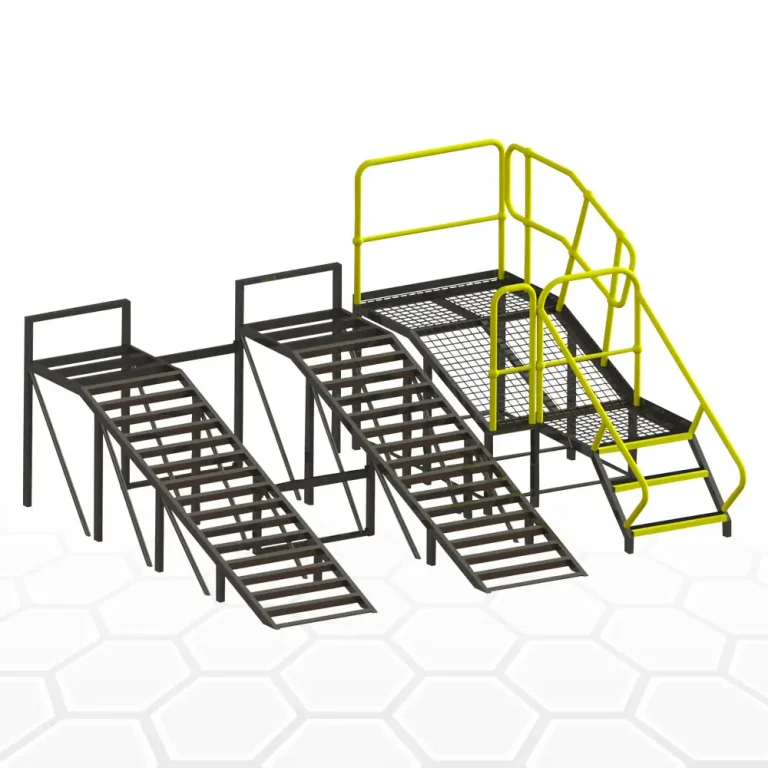
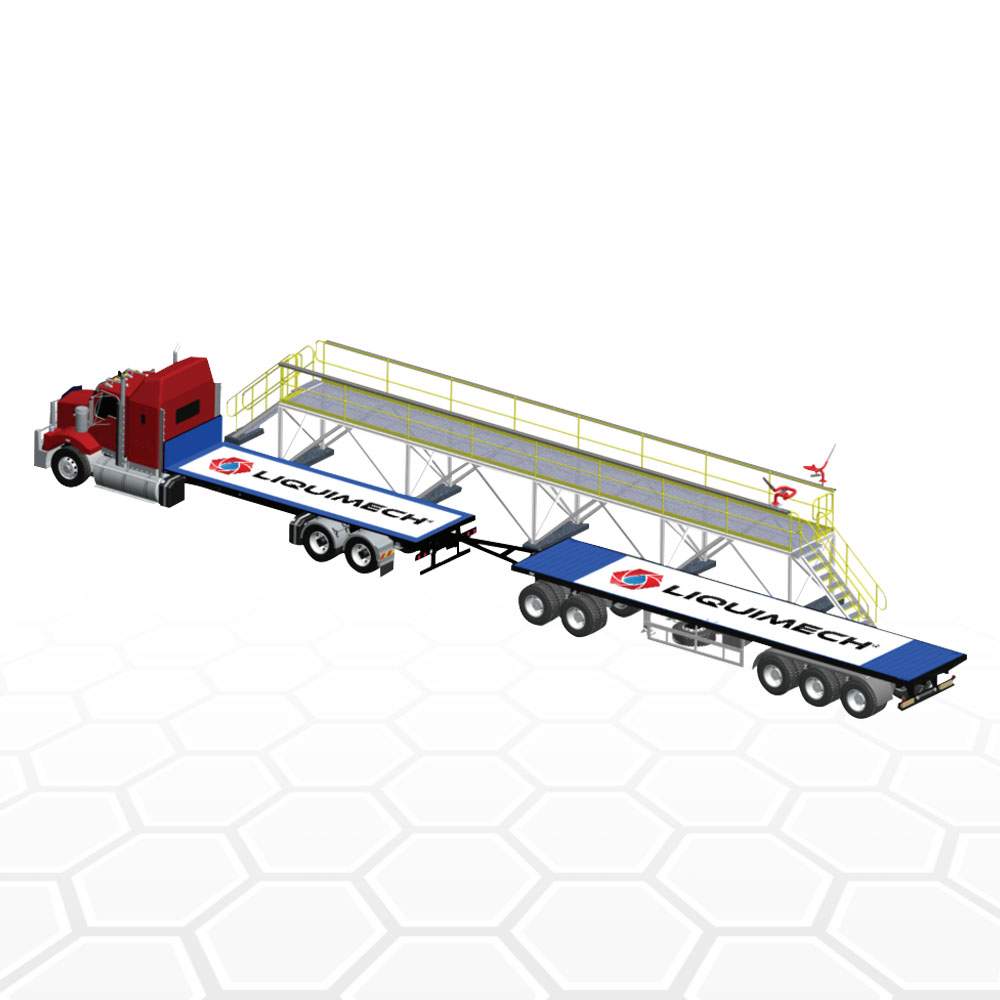
Liquimech supplies engineered washdown ramps and vehicle access solutions, alongside industrial liquid-management equipment, including pumps, bulk liquid storage, hose and piping, and flow-control equipment. These solutions can support different aspects of a truck wheel wash installation, depending on the project requirements and final design.
Whether planning a new installation or upgrading an existing site, assess vehicle dimensions, traffic volumes, access requirements, water infrastructure and maintenance needs before finalising the equipment scope. Coordinating these elements early helps clarify supplier responsibilities, connection requirements and site preparation.
Planning a truck wheel wash project?
Contact Liquimech to discuss washdown ramps, vehicle access solutions and supporting liquid-management equipment for your site’s requirements.