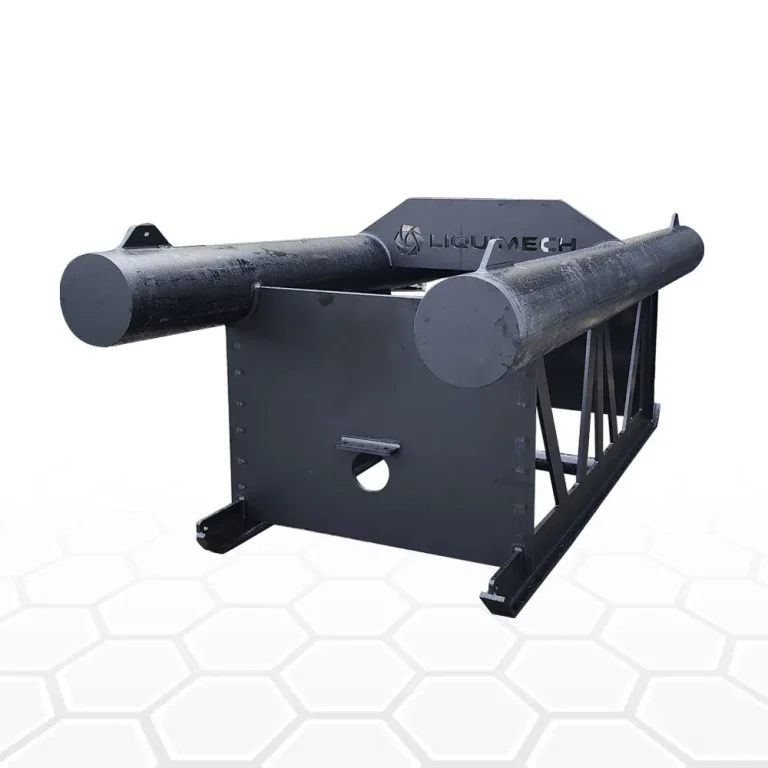
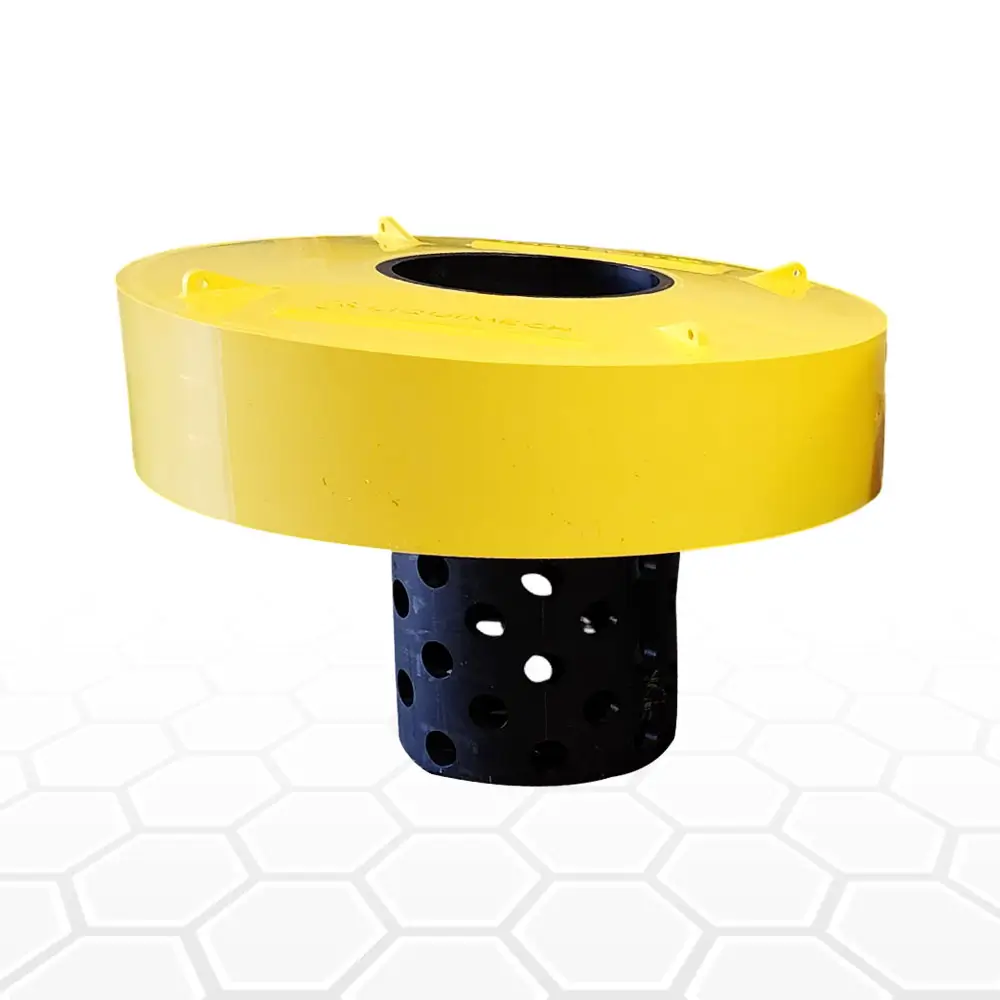
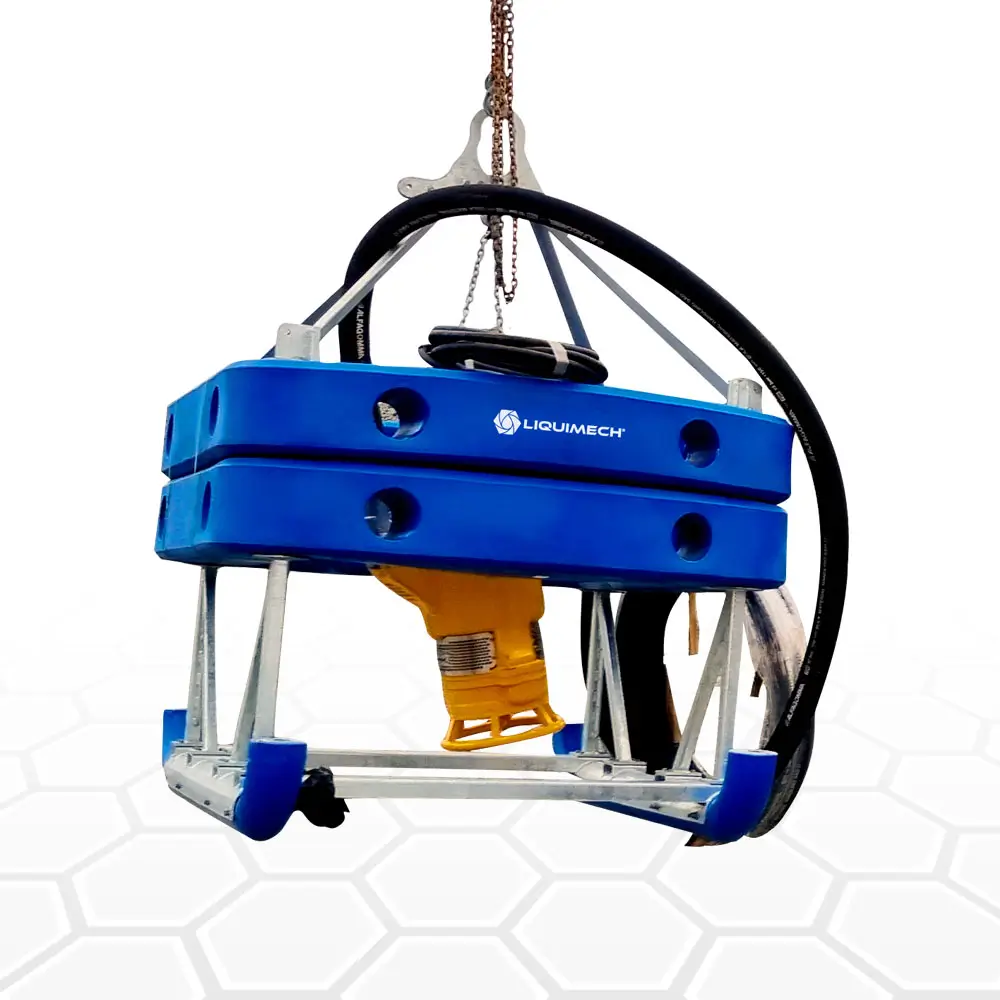
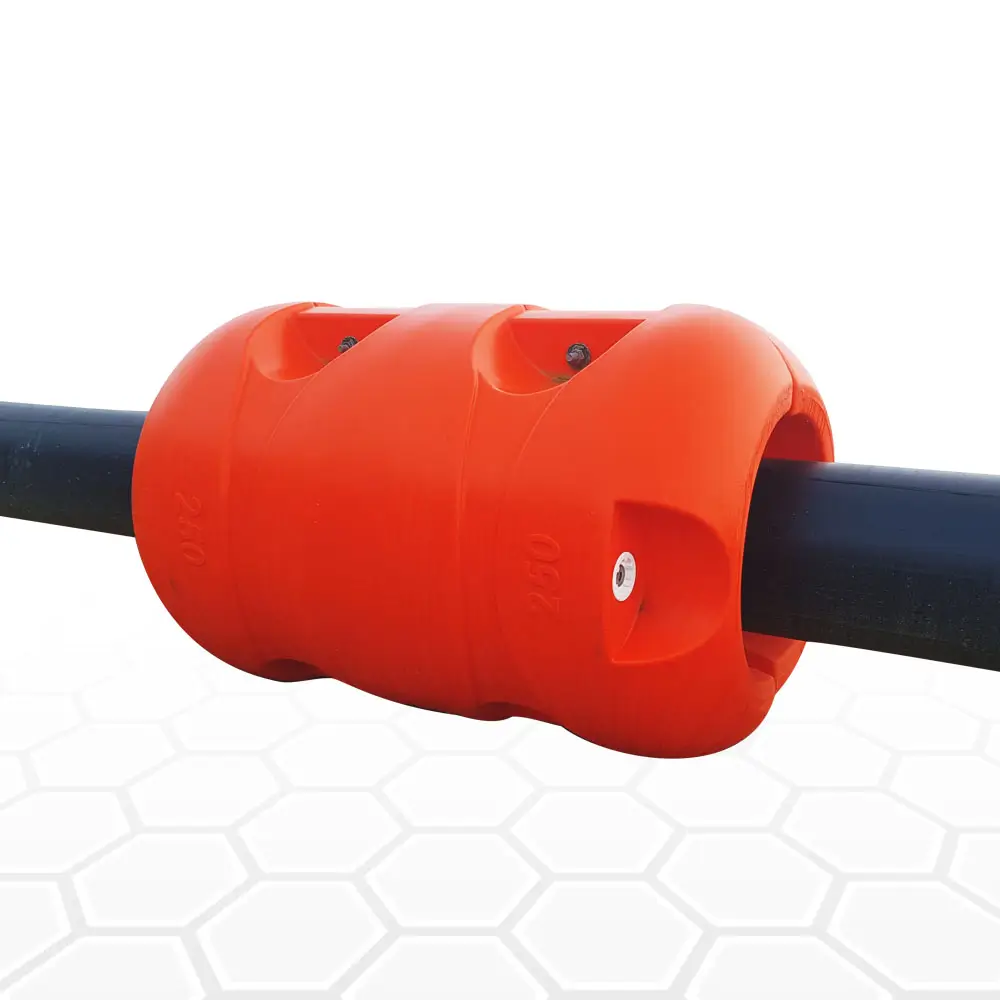
Looking for poly pontoons for sale in Australia? Liquimech supplies industrial poly pontoons designed to support pumps in mining, construction, water management and other demanding applications. Lightweight, UV-stabilised and resistant to corrosion, our poly pontoons provide a practical floating platform for bore pumps and other compatible equipment.
Choosing the right pontoon depends on the pump’s weight, operating conditions, required buoyancy and installation requirements. Liquimech offers a range of poly pontoon models, with customisation options to suit different site requirements.

What Are Poly Pontoons?
Poly pontoons are floating support structures made from durable polymer materials. They provide buoyancy for pumps and associated equipment, helping maintain a stable floating platform in suitable water environments.
Industrial poly pontoons are used where pumps need to operate from a floating position rather than a fixed structure on the bank or bed of a water body. Their suitability depends on the equipment being supported, water conditions and the pontoon’s rated capacity.
For mining, construction and water management projects, selecting the correct pontoon helps ensure the floating arrangement is suited to the pump, site and intended application.
Liquimech Poly Pontoons for Industrial Applications
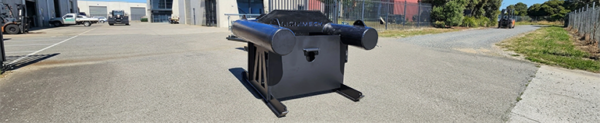
Liquimech’s poly pontoons are designed for floating pump support in demanding Australian operating environments. Their lightweight construction supports easier handling and installation, while UV stabilisation helps them withstand exposure to sunlight.
Key features include:
- UV-Stabilised Construction: Designed for outdoor use and exposure to Australian conditions.
- Corrosion Resistance: Poly construction avoids the rust-related corrosion associated with conventional steel components.
- Lightweight Design: Helps simplify handling and installation, subject to site lifting and safety requirements.
- Pump Support Options: Models are available for bore pumps weighing from 100 kg to 1,000 kg.
- Customisation Options: Depending on the application, configurations can include anti-vortex protection, a strainer box, a pump shroud or skid legs.
Material compatibility should be confirmed for the specific chemicals, fluids and operating conditions involved.
Common Applications for Poly Pontoons
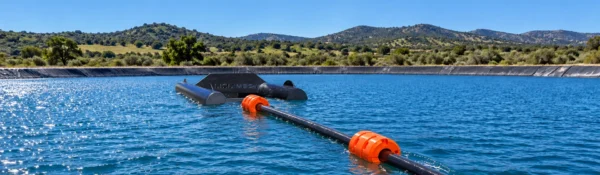
Poly pontoons can provide floating support for suitable pumping equipment across a range of industries. Common applications include:
- Mining and Mine Water Management: Supporting pumps in mine sumps, ponds, dams and water storage areas.
- Civil Construction and Dewatering: Providing flotation for temporary pumping setups, dewatering operations and site water management.
- Water Treatment and Irrigation: Supporting pumping equipment in reservoirs, ponds and other water infrastructure for water transfer and irrigation.
- Flood Response: Supporting suitable pumping equipment for temporary water removal.
- Industrial Water Transfer: Supporting pumping equipment used for water storage, transfer and other industrial water-management duties.
- Remote Industrial Sites: Providing floating pump support where equipment transport, site access and maintenance require careful planning.
The appropriate configuration depends on the pump, total operating load, water conditions and intended use. A pontoon designed for a bore pump should not automatically be assumed suitable for a larger diesel-driven pump or a multi-component floating platform.
How to Choose the Right Poly Pontoon
1. Pump Weight and Pontoon Capacity
Confirm the complete supported load, including the pump and any equipment carried by the pontoon. Do not select a model based on pump weight alone without confirming its rated capacity and required buoyancy.
Liquimech’s standard poly pontoon range includes models for bore pumps weighing from 100 kg to 1,000 kg. The appropriate model depends on the complete installation requirements.
2. Water and Operating Conditions
Consider water depth, changing water levels, exposure to sunlight, potential chemical contact and the presence of sediment or debris.
3. Select the Right Pump Protection and Accessories
Consider the pump’s intake requirements and whether additional components are needed for the application. Liquimech offers options such as anti-vortex protection, strainer boxes, pump shrouds and skid legs, depending on the selected configuration.
The choice of accessories should reflect the pump design, water conditions and site requirements, including the risk of sediment entering the pump.
4. Plan Pipework, Cables and Connections
Plan how the pontoon will be transported, installed and maintained, including site access, lifting arrangements and access for servicing.
Consider the routing of suction and discharge pipework, hoses, electrical cables and control equipment. These connections must accommodate changes in water level and pontoon movement while remaining suitably protected for the operating environment.
Ensure connected components do not impose unintended loads on the pontoon or restrict its movement.
5. Future Requirements
If the installation may require a larger pump or a different load capacity in the future, discuss these requirements before purchasing. Selecting the right pontoon range at the outset can help avoid choosing equipment that is unsuitable for the intended application.
Liquimech Poly Pontoon Range
Liquimech’s standard poly pontoon range accommodates bore pumps across 6 weight categories:
- 100 kg bore pumps
- 200 kg bore pumps
- 400 kg bore pumps
- 600 kg bore pumps
- 800 kg bore pumps
- 1,000 kg bore pumps

The appropriate option depends on the pump weight, total supported load, required buoyancy and operating conditions. Contact Liquimech to discuss your application and confirm a suitable configuration.
Integrated Floating Pump Systems
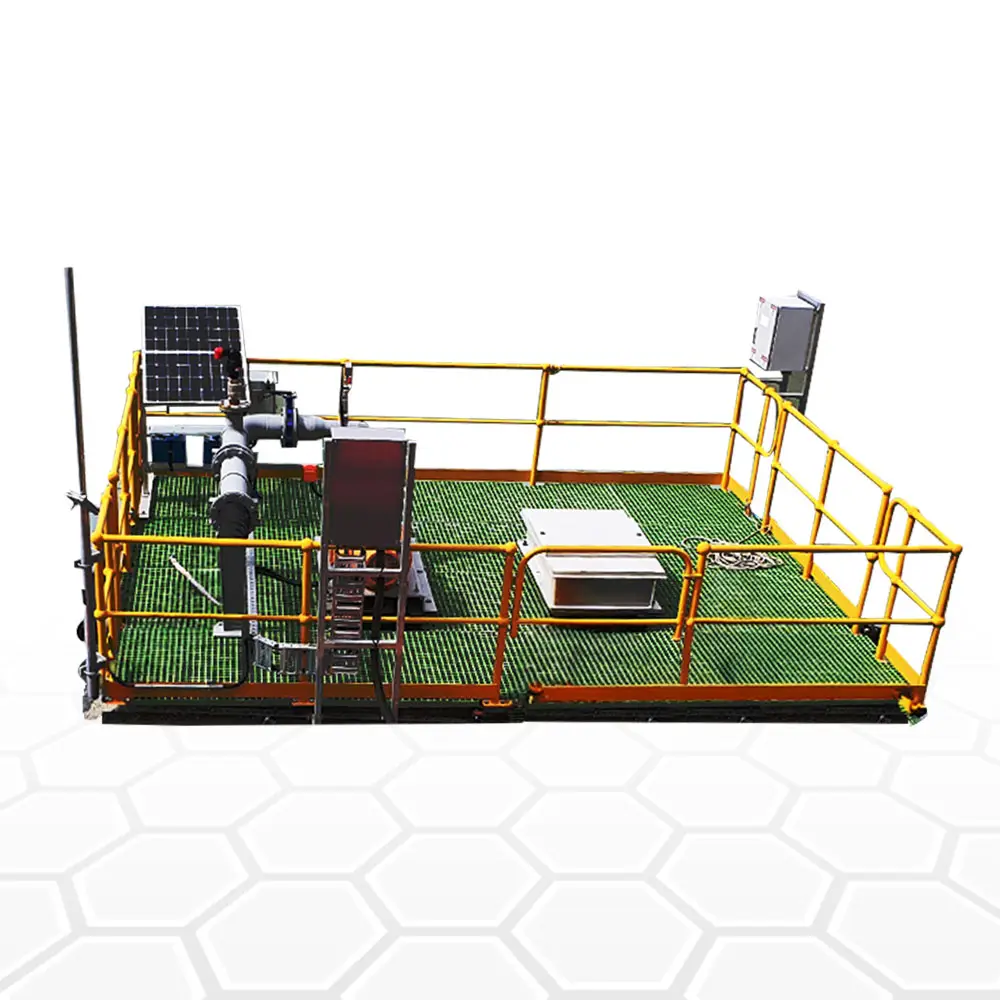
A pontoon is only one part of a floating pump installation. The pump, supporting frame, suction arrangement, discharge connections and access provisions must work together.
Depending on the application, an integrated system may include:
- Pump mounting frames or skids
- Suction strainers and anti-vortex protection
- Suction and discharge pipework
- Electrical and control equipment
- Access walkways and gangways
- Mooring or positioning arrangements
Assessing these components together helps identify compatibility issues before equipment reaches the site.
For projects involving changing water levels, the design should also consider how the pontoon, connected pipework, cables and mooring arrangements will respond to movement.
Liquimech provides industrial pontoon and floating pump solutions for mining, civil construction and water management applications. Configuration options depend on the project requirements
Poly Pontoons, Modular Pontoons and Heavy-Duty Pontoons
Not every floating pump installation requires the same type of pontoon. The required load capacity and configuration help determine which range is appropriate.
- Poly Pontoons
Liquimech’s standard poly pontoon range supports bore pumps weighing from 100 kg to 1,000 kg. It is an option for applications requiring a lightweight floating support arrangement within this range.
- Modular Pontoons
For applications requiring a modular floating platform, Liquimech’s modular pontoon range supports loads of up to 5 tonnes, subject to the specified configuration and operating conditions.
- Heavy-Duty Floating Pontoons
For higher-load applications, Liquimech’s heavy-duty floating pontoon range includes capacities from 3 to 25 tonnes, depending on the model and configuration.
These ranges serve different requirements. Confirm the load, equipment arrangement and operating conditions before deciding which option is suitable.
Why Choose Liquimech for Poly Pontoons?
Liquimech supplies industrial equipment for mining, construction, infrastructure, agriculture and water-management applications. Our poly pontoon range is designed to support suitable bore pump installations, with optional components available to suit different requirements.
When assessing your application, provide the pump model and weight, the intended water source, operating conditions and any required accessories. This information helps establish which pontoon model and configuration should be considered.
Frequently Asked Questions About Poly Pontoons
What are poly pontoons used for?
Poly pontoons provide floating support for suitable pumps and associated equipment. Applications can include mine water management, construction dewatering, irrigation and industrial water transfer.
What size poly pontoon do I need?
The correct size depends on the pump weight, total supported load, required buoyancy, water conditions and installation configuration. Liquimech’s standard range covers bore pump weight categories from 100 kg to 1,000 kg. Confirm the complete installation requirements before selecting a model.
Are poly pontoons suitable for Australian outdoor conditions?
Liquimech’s poly pontoons use UV-stabilised construction designed for outdoor applications. Suitability still depends on the operating environment, installation and maintenance requirements.
Can poly pontoons be customised?
Liquimech offers options such as anti-vortex protection, strainer boxes, pump shrouds and skid legs. Availability and suitability depend on the selected model and application.
Does Liquimech supply pontoons for heavier loads?
Yes. In addition to its standard poly pontoon range, Liquimech offers modular pontoons supporting loads up to 5 tonnes and heavy-duty floating pontoons with capacities from 3 to 25 tonnes, depending on the model and configuration.
Where can I buy poly pontoons in Australia?
You can enquire directly with Liquimech about poly pontoons for industrial pump applications.
Find Poly Pontoons for Your Application
Choosing the right poly pontoon starts with understanding the pump, supported load and operating environment. Liquimech supplies poly pontoons for suitable bore pump installations, alongside modular and heavy-duty options for applications with different capacity requirements.
Looking for poly pontoons for sale in Australia? Contact Liquimech to discuss your pump requirements and identify a suitable pontoon configuration.