Mine site hydration requires more than providing drinking water at a central facility. Mining operations need to consider where crews work, how they move across the site, the availability of water and the arrangements required to keep drinking water accessible throughout the shift.
Liquimech supplies hydration and respite stations for industrial applications, supporting mining and civil operations with infrastructure suited to project-specific workforce and site requirements. Selecting the right arrangement involves assessing workforce distribution, water supply, station placement, power availability and ongoing servicing.
This guide explains how to plan mine site hydration, compare fixed and relocatable station arrangements, and assess the infrastructure requirements for remote and changing work areas.
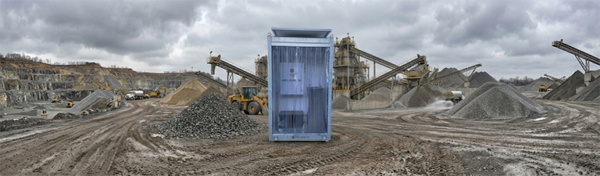
Why Mine Site Hydration Matters
Mining operations can involve dispersed work areas, remote locations, extended shifts and changing operational demands. These conditions make drinking water access an important consideration in workforce and site infrastructure planning. A Mine site hydration station provides a designated point for accessing drinking water. However, its practical value depends on where it is positioned, how water is supplied and whether the arrangement suits the people using it.
Effective mine site hydration planning should consider:
These factors help project and operations teams determine what infrastructure is appropriate for their site rather than relying on a standard arrangement that may not suit every work area.
Hydration as Part of Heat-Risk Management
Access to cool drinking water is one consideration when managing the risks of working in heat. Safe Work Australia also identifies measures such as risk assessment, environmental controls, work scheduling and appropriate protective measures. Hydration infrastructure should therefore be considered alongside the site’s broader work health and safety procedures. Providing a station does not replace the need to assess heat exposure or implement other applicable controls.
What Should a Mine Site Hydration System Include?
The appropriate configuration depends on the site’s water supply, workforce requirements, operating environment and intended use.
Before selecting equipment, establish how drinking water will reach the required locations and how the system will be operated and maintained.
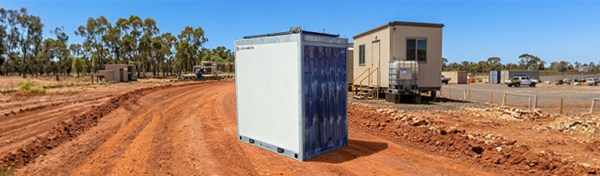
1. Mine Site Hydration Stations
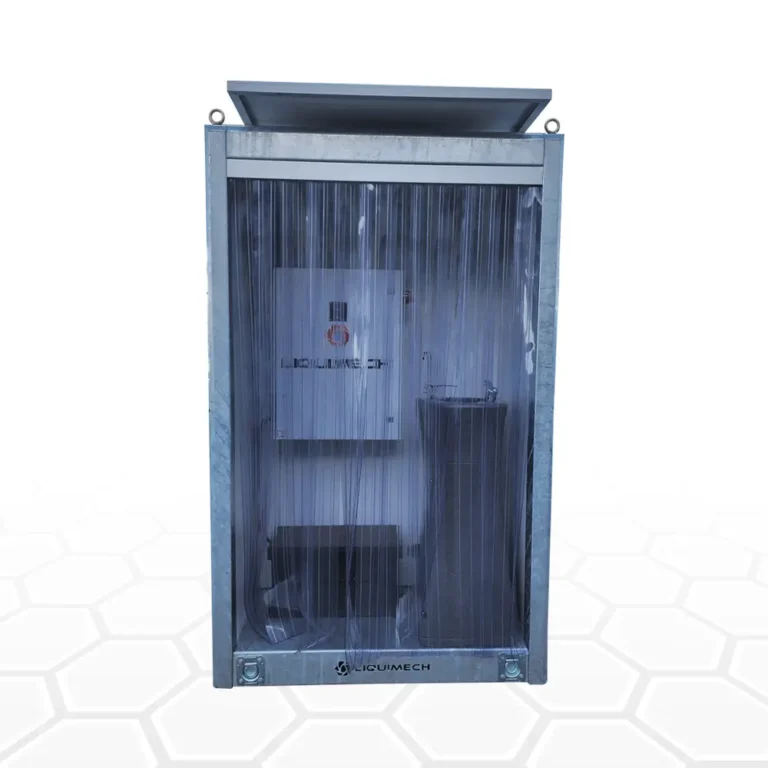
Mine site hydration stations provide designated access to drinking water for workers. Their placement and configuration should reflect the workforce, available supply and practical operating requirements.
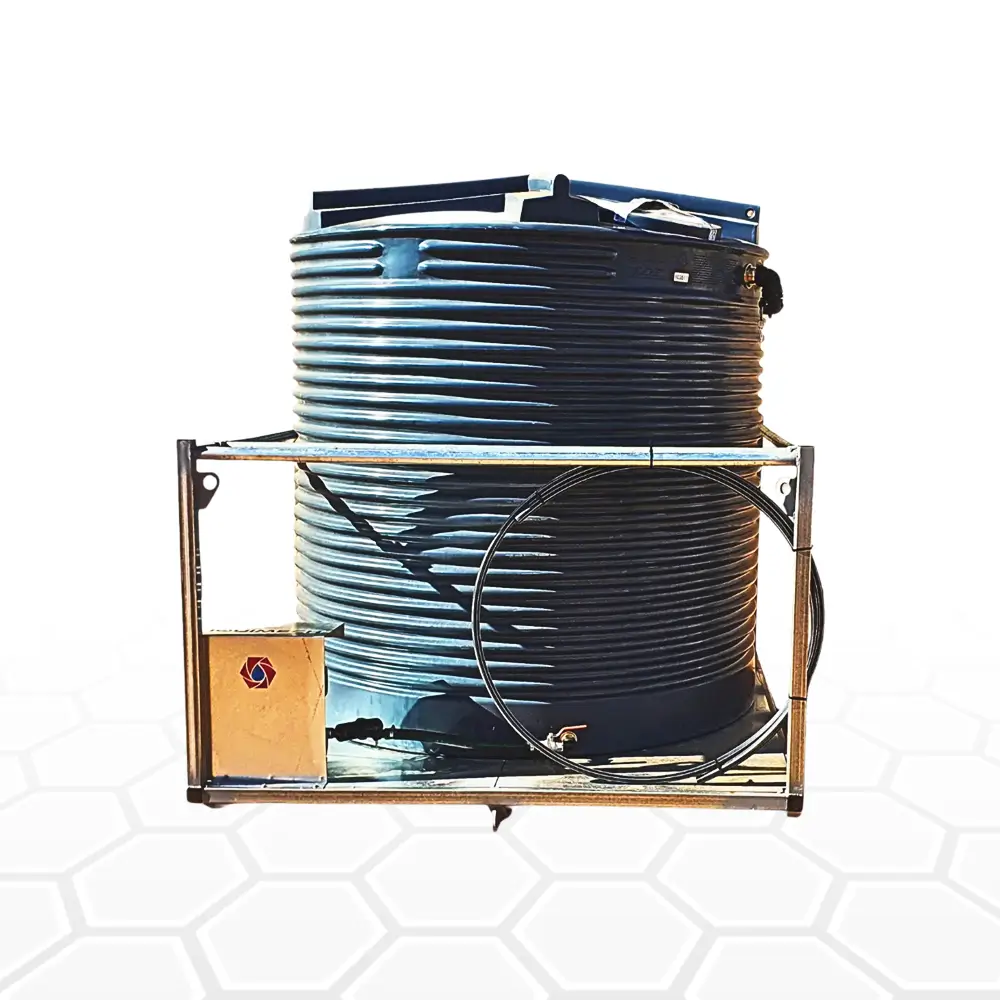
Liquimech supplies hydration stations for industrial applications. Depending on the selected configuration, its mine site hydration solutions can include chilled drinking water provision, with rated output and storage arrangements assessed against project requirements.
For mine-site applications, consider:
A station’s rated output and storage capacity are different considerations. Both should be assessed against expected demand and the site’s operating arrangements.
2. Water Storage and Supply
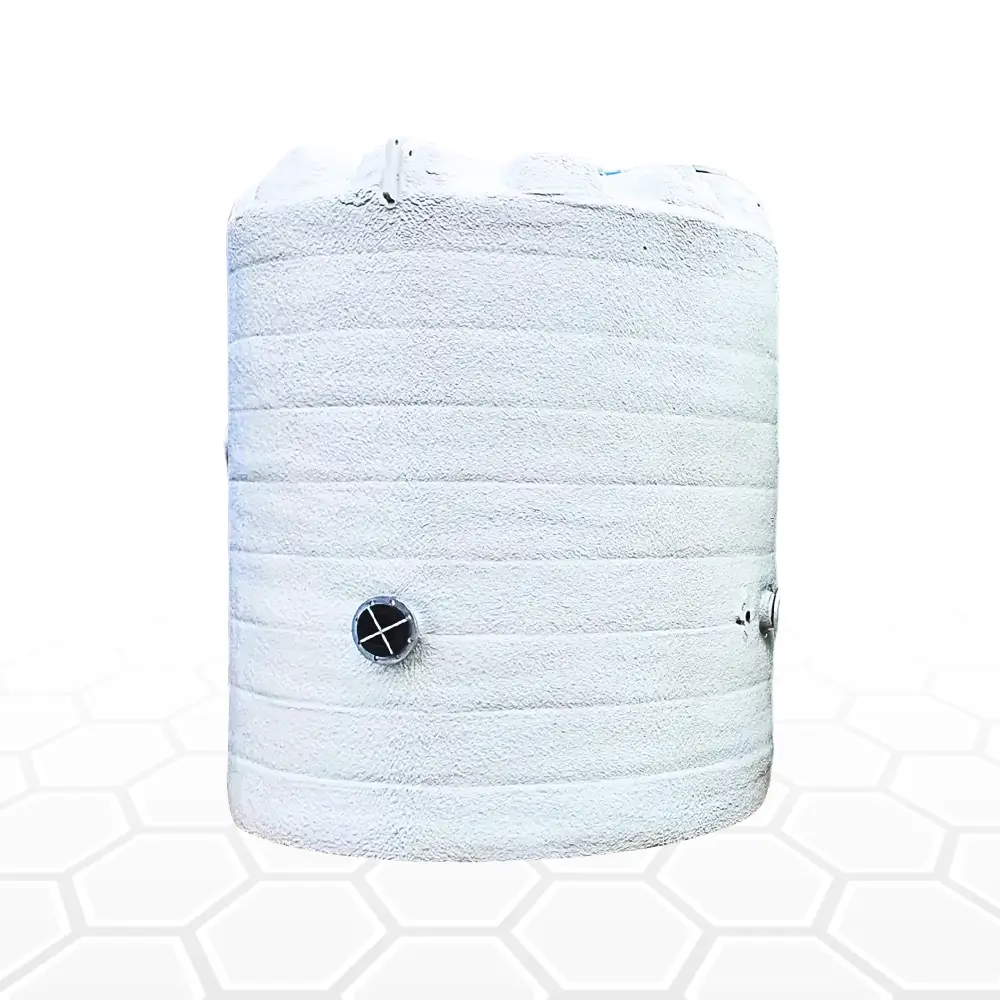
Water supply planning should account for the source, the distance to the point of use and the reliability of replenishment. An existing site supply may suit established facilities, while delivered water and potable water storage may be more appropriate for locations without a practical connection. The right approach depends on the site’s infrastructure, access conditions and operating requirements.
Liquimech’s hydration solutions can be assessed alongside available storage options, including fixed storage where specified in the proposed configuration.
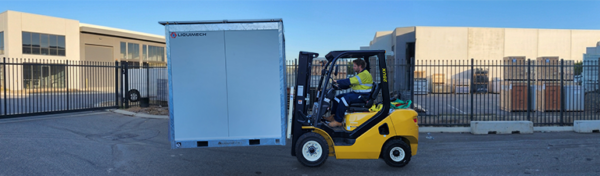
Before confirming a design, establish:
Storage capacity alone does not establish how long a system can operate. Actual operating duration depends on demand, usable water volume, replenishment and other configuration-specific factors.
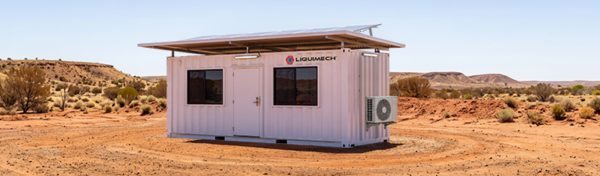
3. Respite Container Infrastructure
Hydration and respite containers serve related but distinct purposes.
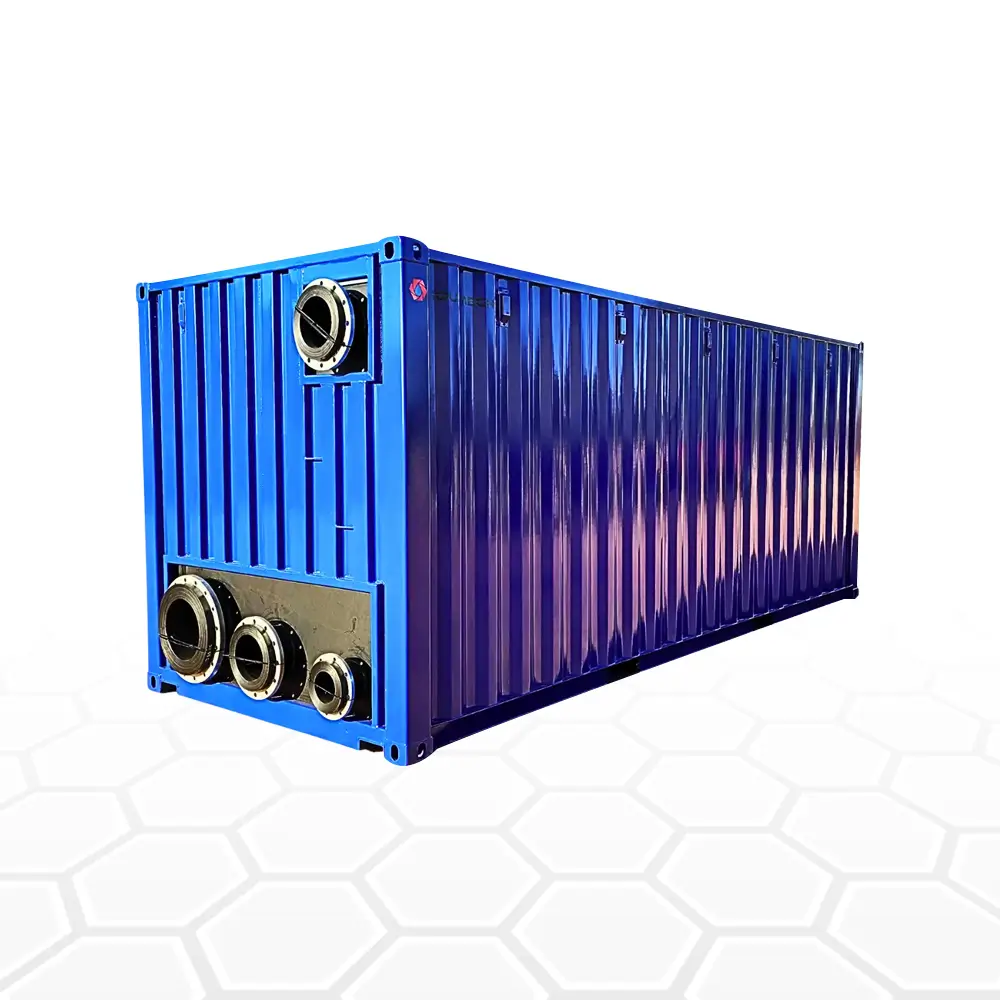
Hydration infrastructure supports access to drinking water. Respite container infrastructure provides a designated space for workers to take breaks from site conditions, with the facilities determined by the intended use and selected configuration.
Liquimech also supplies respite containers for industrial applications. Where a project requires both hydration and respite facilities, consider them together during site planning. Assess the required workforce capacity, location, access, environmental conditions, power availability and servicing arrangements. The proposed facilities should suit the operation and complement its established work health and safety procedures.
Fixed vs Relocatable Mine Site Hydration Stations
The choice between fixed and relocatable hydration infrastructure depends on how stable the work area is and what the site requires from the equipment.
|
Planning Consideration |
Fixed Hydration Station |
Relocatable Hydration Station |
|
Work Area |
Suits established facilities and work areas with consistent locations. |
Suits operations where work areas may change. |
|
Water Supply |
Can use an established water connection or a planned supply arrangement. |
Requires a water supply and replenishment plan suited to each location. |
|
Power |
Depends on the selected equipment and available site power. |
Requires suitable power at the intended location or a compatible alternative, such as solar power. |
|
Placement |
Planned around established access routes and site infrastructure. |
Placement must be reassessed when the station is relocated, including access and site conditions. |
|
Servicing |
Servicing is organised around a consistent location. |
Servicing and replenishment must account for the station’s current location. |
|
Relocation |
Generally intended to remain in a designated location. |
Relocation depends on transport requirements and site procedures for safe movement. |
For Liquimech projects, equipment selection should begin with the site’s operating requirements, followed by assessment of the appropriate hydration station and supply configuration.
How to Plan Mine Site Hydration for Remote Operations
Remote mine sites require particular attention to water delivery, storage, access and servicing. Where infrastructure is limited, the feasibility of a proposed arrangement depends on the complete supply and operating plan rather than the station alone.
Use the following steps to establish the requirements.
Step 1: Estimate Workforce Demand
Document workforce numbers by work area and shift. Include shift overlaps, contractor activity and anticipated changes to staffing or operations. Avoid relying solely on total site headcount when crews are distributed across different locations. Breaking demand down by work area helps identify where separate access points may be needed.
Step 2: Map Work Areas and Access Routes
Identify active work fronts, worker movement routes, vehicle traffic and potential station locations. Assess whether workers can access the proposed stations within the site’s operating arrangements. Consider delivery and servicing access as well as worker access. Reassess the layout when work areas or access routes change.
Step 3: Confirm the Water Supply
Document the water source, delivery method, storage requirements and replenishment arrangements. For remote locations, determine how supplies will be delivered, who will coordinate replenishment and what contingency arrangements apply if a delivery is delayed.
Step 4: Assess Equipment and Power Requirements
Confirm the station’s required water output, storage capacity, power requirements and installation conditions against the site’s operating needs. For locations without a reliable mains power supply, consider Liquimech’s solar-powered, off-grid option, subject to the selected unit’s configuration and site requirements.
Step 5: Define Operating and Maintenance Responsibilities
Assign responsibility for routine checks, cleaning, replenishment, issue reporting and relevant records. Include clear shift handovers so that outstanding issues are communicated to the next team. Follow applicable equipment instructions and site water-management procedures.
Step 6: Review the Arrangement as Operations Change
Establish review points for changes in workforce numbers, shift patterns, work locations, seasonal conditions and supply arrangements. A hydration plan should remain relevant to the operation it supports rather than being treated as a permanent arrangement after installation.
Drinking Water Quality and Maintenance Considerations
Providing access to drinking water and maintaining its quality are related but separate responsibilities.Water quality controls should reflect the source, storage and handling arrangements. The Australian Drinking Water Guidelines, published by the National Health and Medical Research Council, provide an authoritative framework for drinking-water quality.
Refer to the Australian Drinking Water Guidelines and apply relevant guidance alongside the site’s documented procedures and applicable requirements.
For mine site hydration equipment, the operating plan should define:
The station itself does not guarantee water quality. Appropriate management of the water source, storage, handling and dispensing arrangements remains essential.
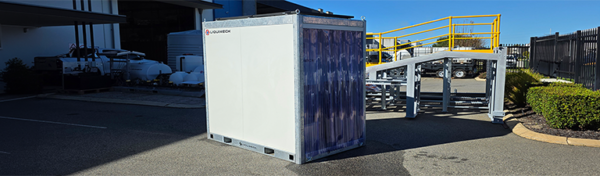
How Liquimech Supports Mine Site Hydration
Liquimech supplies hydration and respite stations for industrial applications, supporting infrastructure planning for mining, civil construction and other demanding operating environments.
Its hydration solutions can be assessed against project requirements for drinking water access, chilled water provision, storage and site integration. Respite container stations can also be considered where a project requires dedicated worker break facilities.
The appropriate equipment depends on the intended application and selected configuration. Liquimech’s role is to help match the proposed infrastructure to the project’s requirements rather than assume that one arrangement will suit every site.
When assessing a hydration project, consider:
Planning mine site hydration for an upcoming project? Contact Liquimech to discuss your site’s hydration and respite infrastructure requirements.
Frequently Asked Questions About Mine Site Hydration
How much drinking water should a mine site provide per worker?
There is no single figure that should be applied to every mine site without considering the work and conditions. Requirements depend on factors such as physical workload, environmental conditions, shift duration and access to drinking water.
What is a mine site hydration station?
A mine site hydration station is a designated facility for accessing drinking water. Depending on the equipment and configuration, it may include chilled water provision and associated storage.Its suitability depends on workforce demand, water supply, location, power and servicing requirements.
Can mine site hydration stations be used at remote mine sites?
Yes, subject to the selected equipment and site requirements. Assess water delivery, storage, replenishment, power availability, access and maintenance before selecting a configuration. Remote operation should be planned around the complete supply and servicing arrangement.
What is the difference between a hydration station and a respite container?
A hydration station supports access to drinking water. A respite container provides a designated space for workers to take breaks from site conditions. Their functions can complement each other, but the facilities and equipment depend on the selected design and intended use.
How should a mine site choose between fixed and relocatable hydration stations?
Consider how stable the work area is, how water and power will be supplied, and how the equipment will be serviced. Fixed arrangements may suit established locations, while relocatable options may suit changing operations if the equipment supports safe movement and the site can accommodate relocation.
How is drinking water quality maintained at a mine site?
Water quality management depends on the source, storage, handling and dispensing arrangements. Establish appropriate procedures for checks, cleaning, replenishment and reporting concerns. Follow applicable Australian guidance, site procedures and equipment instructions.
Does a hydration station replace a mine site’s heat-management procedures?
No. Hydration is one component of managing heat-related risks. Sites must assess the conditions and implement appropriate controls under applicable work health and safety requirements. Drinking water access should complement, not replace, the site’s broader risk-management measures.
What information should be provided when enquiring about mine site hydration equipment?
Provide the project location, workforce numbers, shift patterns, intended station locations, available water source, storage requirements, power availability and any respite requirements. Include expected operating conditions and servicing constraints where known. This information helps establish the basis for assessing a suitable configuration.
Plan your mine site hydration requirements with Liquimech. Discuss your project’s workforce, water supply and site infrastructure needs to determine the next steps for selecting suitable hydration and respite stations.