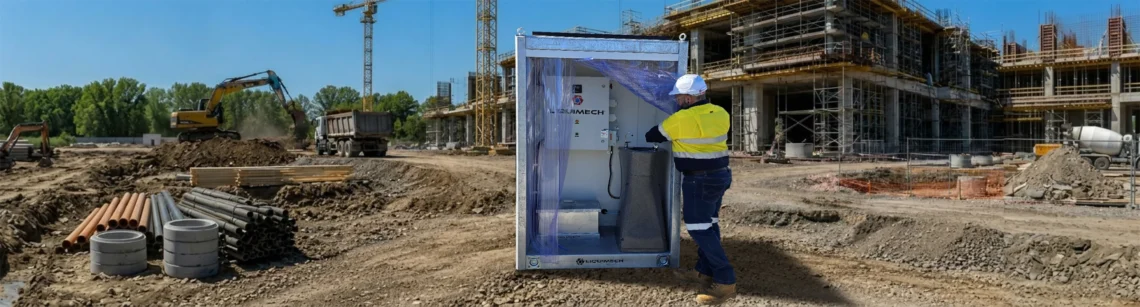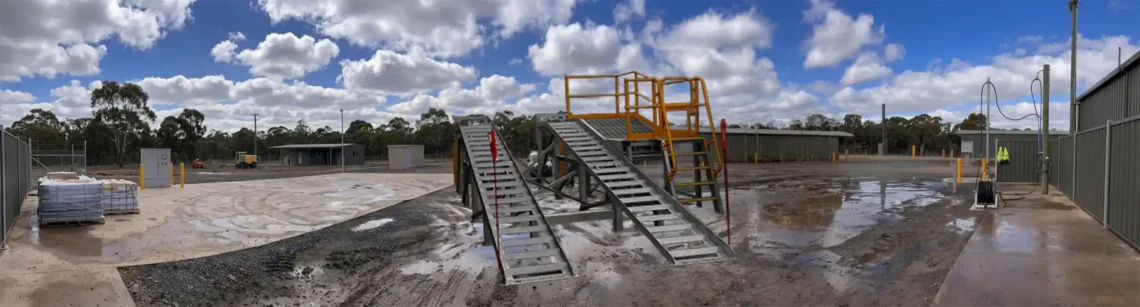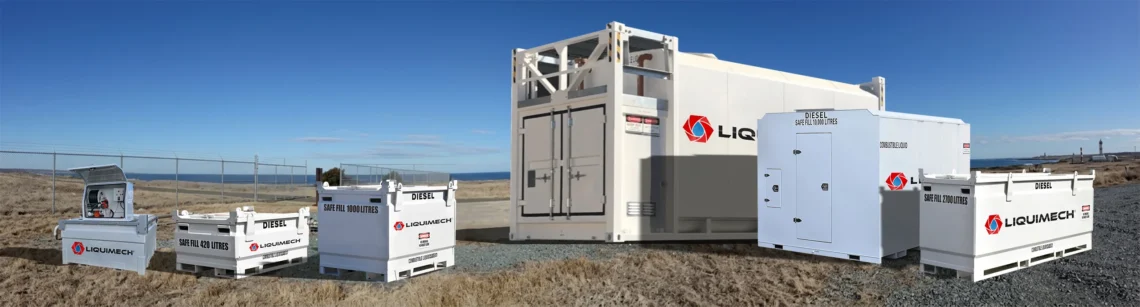
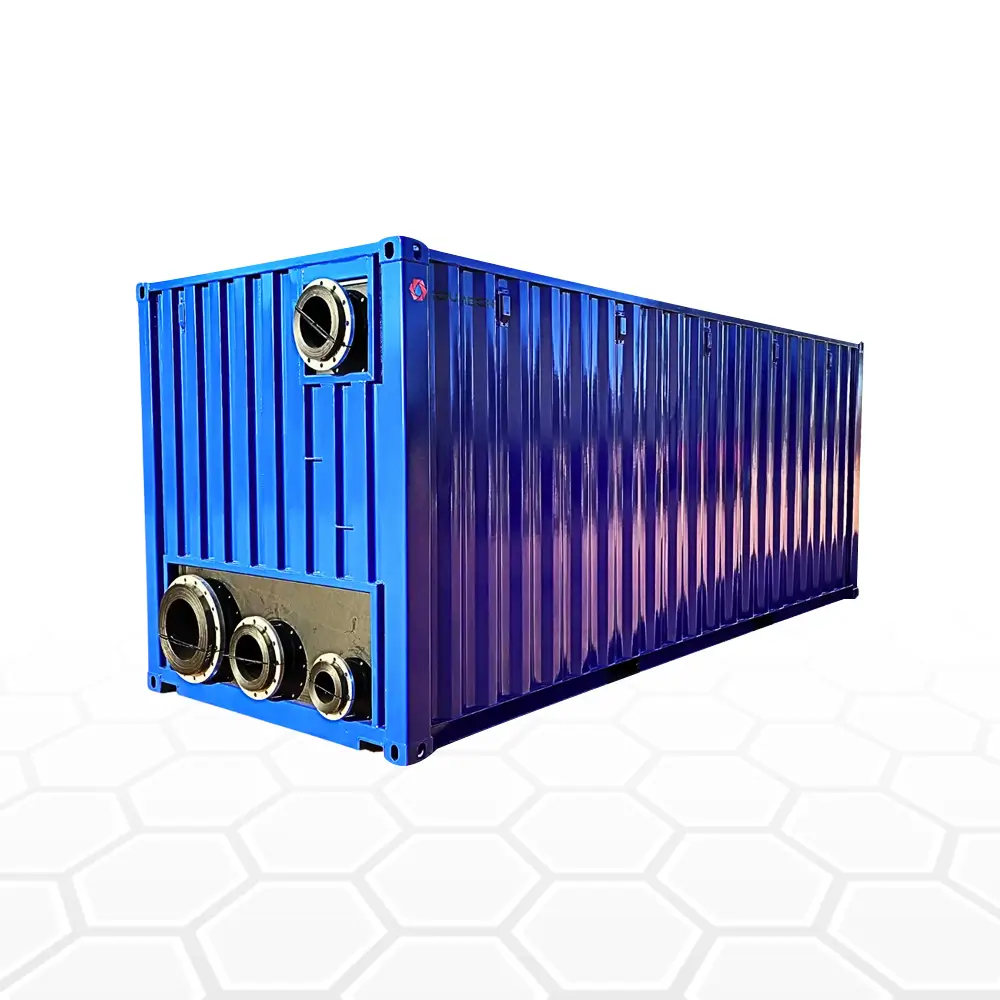
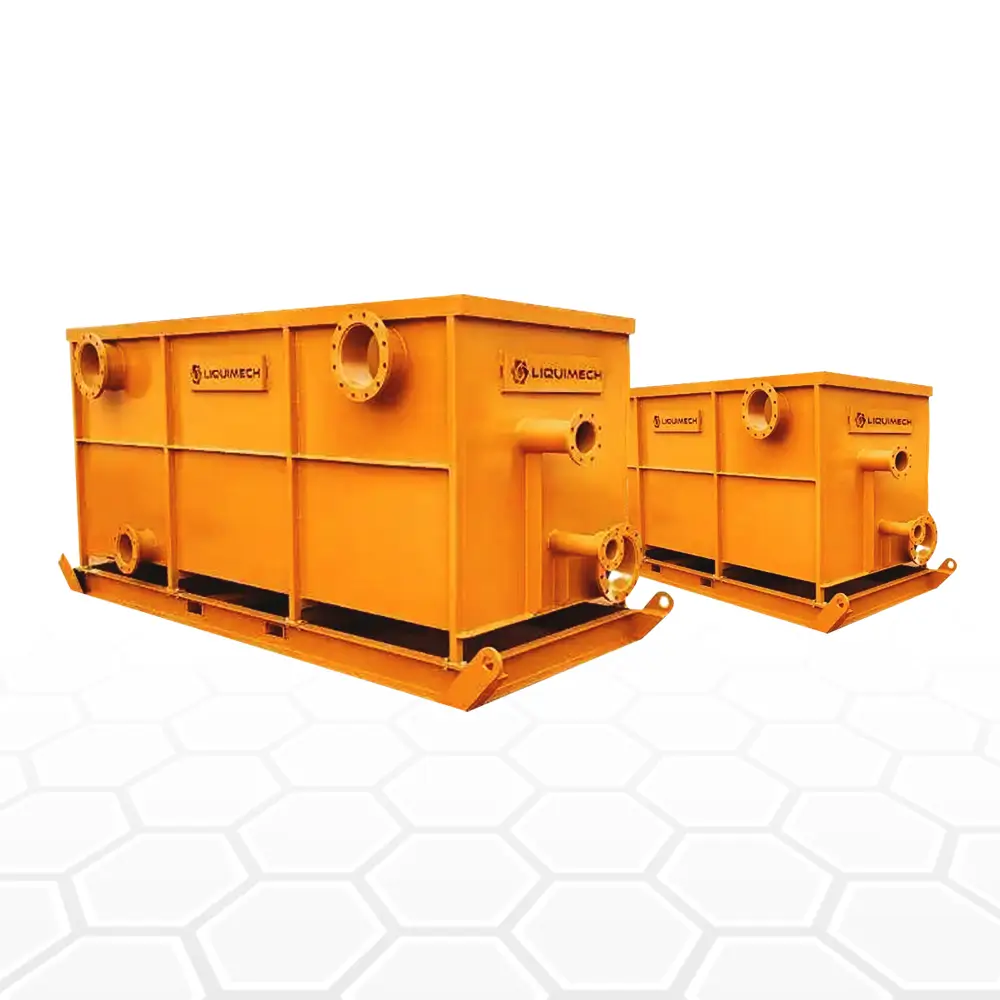
Storing dangerous goods safely is essential in high-risk industries like mining, construction, and civil works. These sectors often handle hazardous materials, such as flammable liquids and corrosive substances, which can pose serious risks if not stored properly. Without the right containment, these substances can lead to fires, explosions, and environmental damage like soil and water contamination.
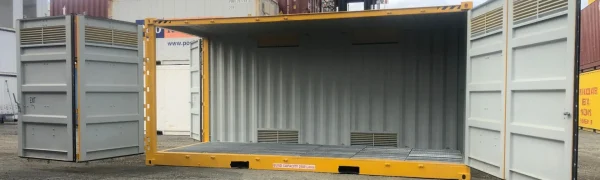
This is where chemical and dangerous goods storage containers come into play. Designed specifically for hazardous materials, these containers provide a controlled environment that helps prevent spills, leaks, and accidents. They not only improve workplace safety but also ensure compliance with strict industry regulations.
Whether used for bulk liquid storage or day-to-day handling of dangerous goods, these storage containers are essential to maintaining a safe and efficient worksite. But what makes these containers so effective in managing risk?
Here are the key features and benefits that make dangerous goods storage containers a vital part of any hazardous material management strategy:
Material Resistance for Durability and Safety

The durability and safety of dangerous goods storage containers largely depend on the materials they’re made from. These containers must be constructed from materials that can withstand not only the chemicals stored within but also the external environmental conditions they’re exposed to.
High-grade steel is a choice for many applications due to its strength, impact resistance, and ability to endure extreme weather. Steel containers are often coated with protective layers to prevent corrosion, making them a long-lasting solution even in harsh or coastal environments.
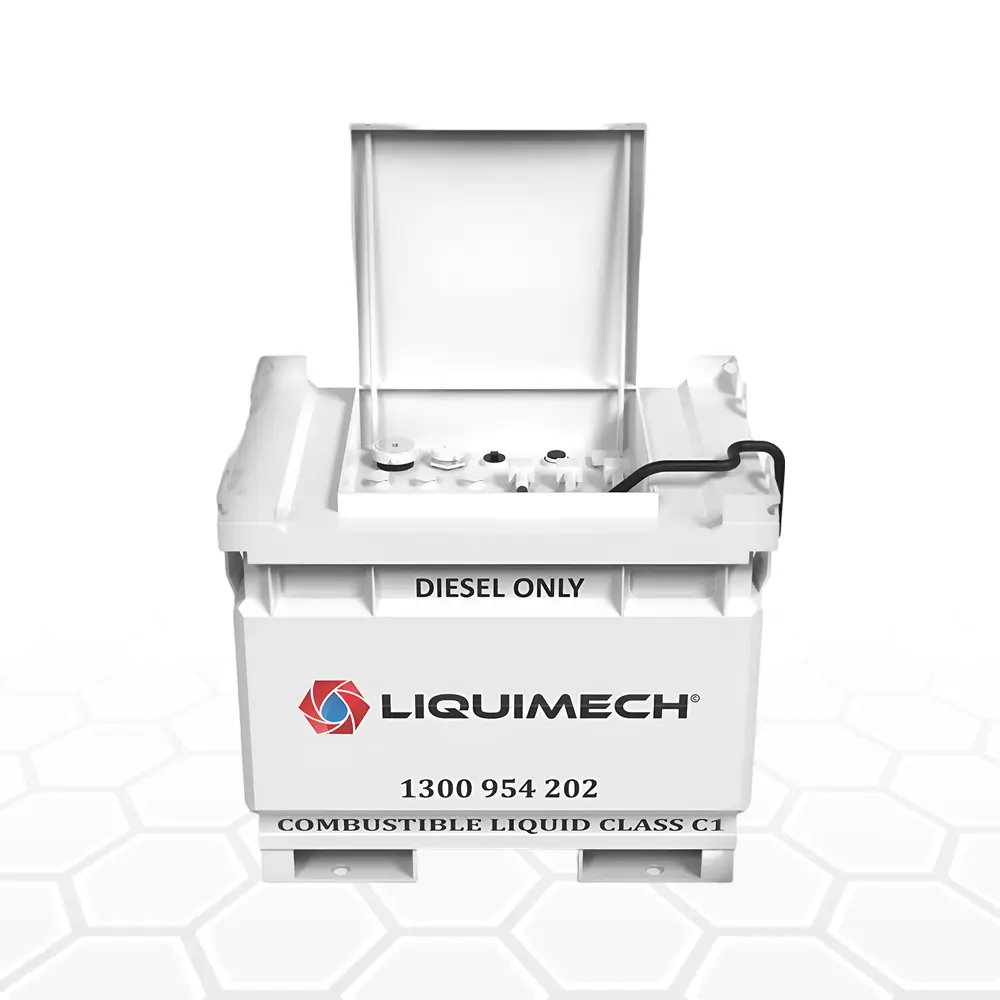
For industries that deal with highly reactive or corrosive substances, polyethylene storage containers offer a reliable alternative. Polyethylene is non-reactive and resistant to a wide range of chemicals, including acids, bases, and solvents, making it ideal for safely storing hazardous liquids.
When flammable goods are involved, containers made from fire-resistant materials are essential. These materials help minimise the risk of fire spreading, providing an added layer of safety in case of an incident.
By selecting the right materials, businesses can ensure their dangerous goods storage containers remain structurally sound over time, helping to prevent leaks, corrosion, and container failure, while protecting both people and the environment.
Weatherproof and Rugged Design for Harsh Australian Conditions
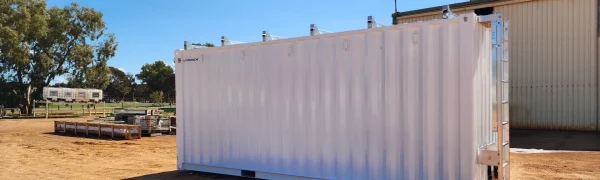
In Australia, mining, construction, and civil works projects often take place in remote, exposed locations where equipment and infrastructure must endure extreme environmental conditions. High temperatures, intense UV radiation, heavy rainfall, and even cyclonic weather can quickly degrade standard storage options. That’s why dangerous goods storage containers must be engineered to meet the demands of Australia’s tough and varied climate.
A high-quality storage container should feature a fully weatherproof exterior that prevents water ingress, reducing the risk of chemical reactions triggered by moisture exposure. UV-resistant coatings are equally important, especially in arid and sun-intense regions, where prolonged sunlight can weaken materials and compromise container integrity.

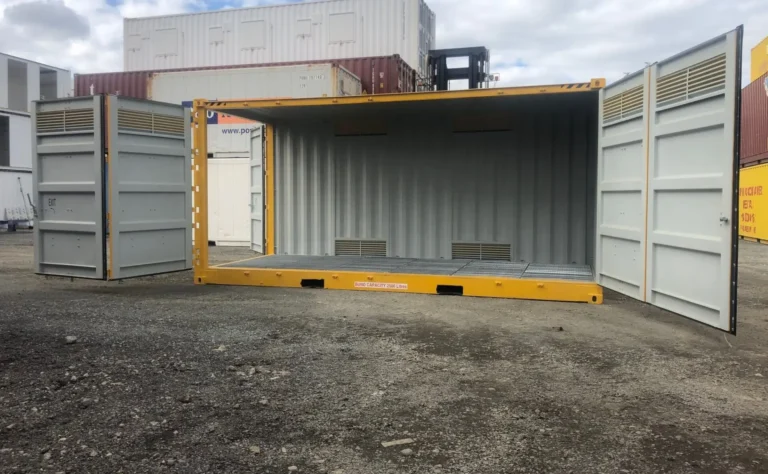
Reinforced components such as durable hinges, heavy-duty doors, and sealed edges provide additional protection against dust, wind, and fluctuating temperatures. These design elements are essential for ensuring that hazardous substances remain securely contained, even in the most challenging environments.
Investing in robust, climate-ready dangerous goods storage containers, operators can significantly reduce the risk of spills, contamination, and material degradation, ensuring safe and reliable performance year-round.
Bunded Base for Leak and Spill Containment

One of the most important safety features of dangerous goods storage containers is the inclusion of a bunded base. This built-in containment system acts as a safeguard in the event of leaks or spills, preventing hazardous substances from escaping the container and causing environmental harm.
A bunded base functions like a sump, capturing any accidental discharge and keeping it contained within a designated area. This is critical for preventing the spread of dangerous chemicals into the surrounding soil, water systems, or nearby infrastructure, especially in high-risk environments such as construction and mining sites.
A bunded base also makes cleanup more manageable. It limits the extent of contamination and minimises the risk of long-term environmental damage, helping businesses maintain safer, more responsible operations.
Proper Ventilation for Hazardous Fumes

Effective ventilation is a critical safety feature in dangerous goods storage containers, particularly when storing substances that emit hazardous fumes. Without adequate airflow, toxic vapours can accumulate inside the container, posing serious health risks and increasing the likelihood of fires or explosions, especially when volatile chemicals are involved.
Natural ventilation is commonly achieved through strategically positioned vents, which promote continuous airflow while preventing rainwater, dust, or debris from entering the container. This passive design is often sufficient for less volatile substances stored in well-ventilated areas.
However, for chemicals that emit dense or flammable vapours, mechanical ventilation systems such as exhaust fans may be necessary to maintain safe air quality. In more extreme cases, explosion-proof ventilation may be required, particularly when handling highly reactive materials. These systems ensure compliance with stringent safety standards, including AS/NZS 60079, which governs the use of electrical equipment in hazardous environments.
Secure Locking and Access Control
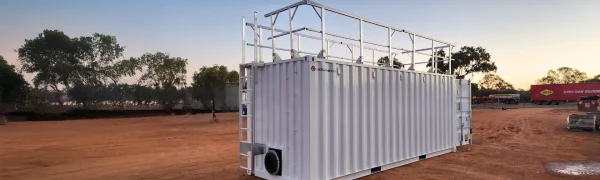
In high-risk industries like mining, construction, and civil works, where hazardous chemicals are routinely stored on-site, security is non-negotiable. Dangerous substances must be restricted to authorised personnel to prevent theft, vandalism, or accidental exposure. That’s why dangerous goods storage containers must be equipped with reliable security features.
Heavy-duty locking mechanisms, such as reinforced padlocks or deadbolt systems, serve as the first line of defence against unauthorised access. For added protection, many modern containers now include safety access and smart access control software, such as keycard entry, PIN code systems, or biometric scanners. Some systems even allow remote access monitoring, enabling supervisors to track access in real time and respond to security breaches instantly.
These features don’t just enhance physical security, they also help ensure regulatory compliance and promote accountability within the workplace.
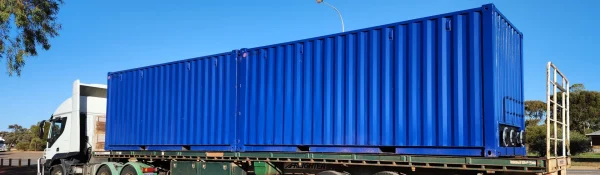
Proper storage of hazardous materials is a cornerstone of workplace safety in sectors dealing with flammable, corrosive, or toxic substances. By investing in dangerous goods storage containers designed for durability, environmental protection, and secure access, businesses can significantly reduce risk and improve operational efficiency.
When evaluating your storage requirements, look for containers that incorporate the key features outlined above, from bunded bases and ventilation to robust construction and smart security. Together, these elements support safer worksites, help avoid costly incidents and ensure full compliance with Australian safety standards.