Sustainability is no longer a checkbox at the end of a project plan. In modern mining, industrial, and commercial operations, it has become a core engineering requirement, embedded into every system, every operational decision, and every litre managed on site.
Every litre of water, fuel, and chemical used in industry carries an environmental footprint. When these systems are poorly managed, that footprint expands quickly. Water is wasted or stolen, fuel is over-consumed, chemicals migrate into soil and waterways, and sediment-heavy discharge disrupts ecosystems that can take years to recover. These are not theoretical risks; they are daily operational realities across industrial sites in Australia and beyond.
At Liquimech, we design and deliver custom-engineered liquid management systems that address these challenges.
Our philosophy is simple: You Define. We Design. Sustainably.
Why Sustainable Liquid Management Matters
Industrial operations rely on fluid systems for almost every function, from water used in dust suppression and site preparation, to fuel powering heavy machinery, to chemicals required for processing and rehabilitation. However, traditional approaches to managing these resources often introduce avoidable environmental risk.
Unmonitored water usage leads to depletion of local supplies. Inadequate fuel containment increases the risk of soil and groundwater contamination. Imprecise chemical handling results in runoff that affects surrounding ecosystems. Poorly treated discharge introduces suspended solids, oils, and contaminants into natural waterways. Across all of these systems, inefficiency drives unnecessary carbon emissions through overuse and wasted logistics.
Liquimech systems are engineered to address these issues at the source. Through closed-loop control, real-time monitoring, automated containment, and precision resource management, environmental impact is reduced while operational performance is maintained or improved. The outcome is measurable sustainability embedded directly into site infrastructure.
Water Management: Protecting The Most Precious Resource
Water is one of the most critical and constrained resources in industrial operations. Many mining and industrial sites operate in remote or semi-arid environments where water availability is limited, and surrounding ecosystems are highly sensitive to changes in consumption or quality.
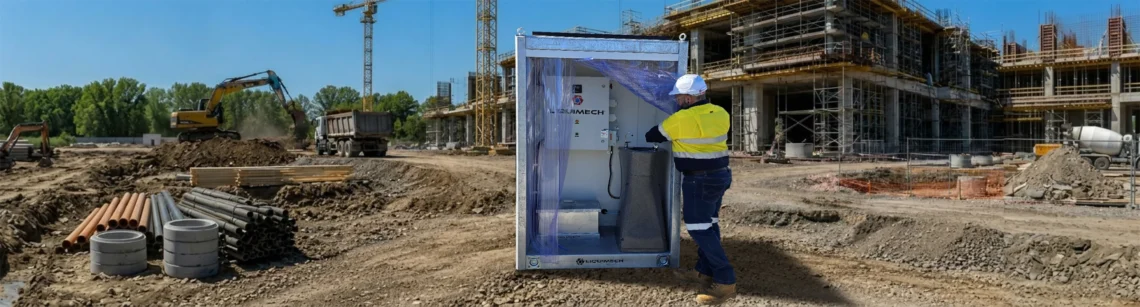
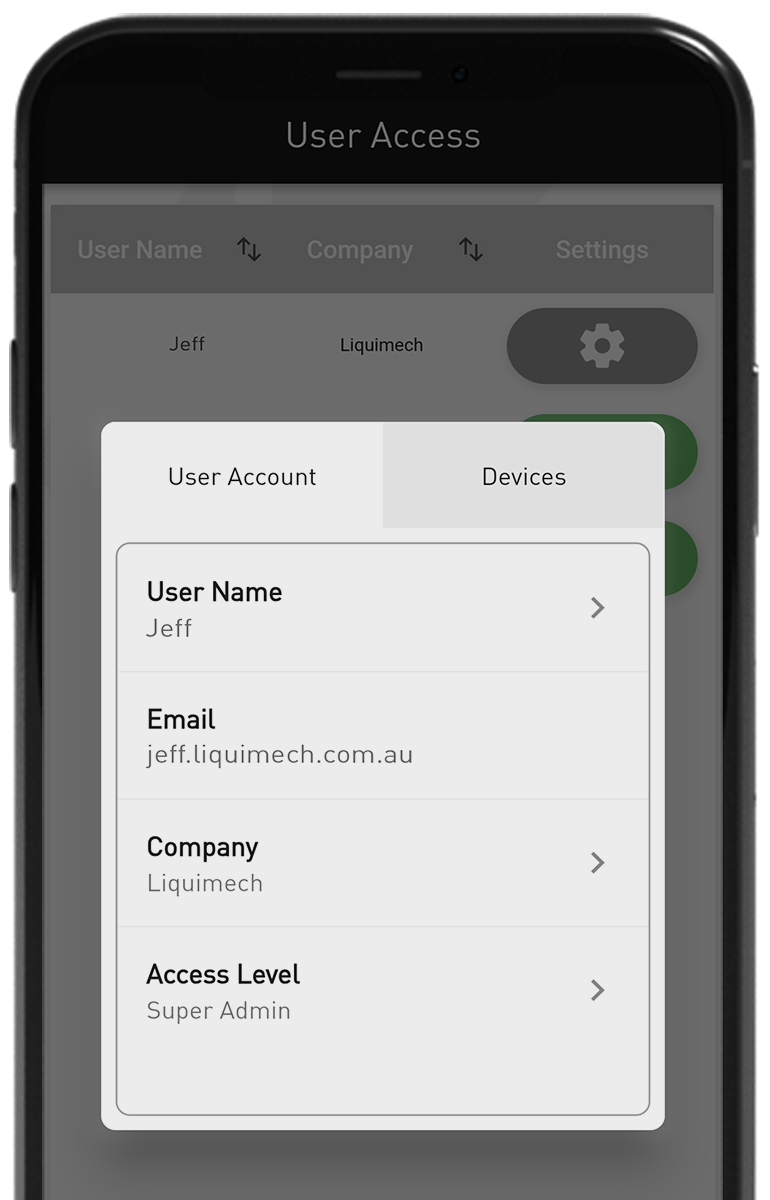
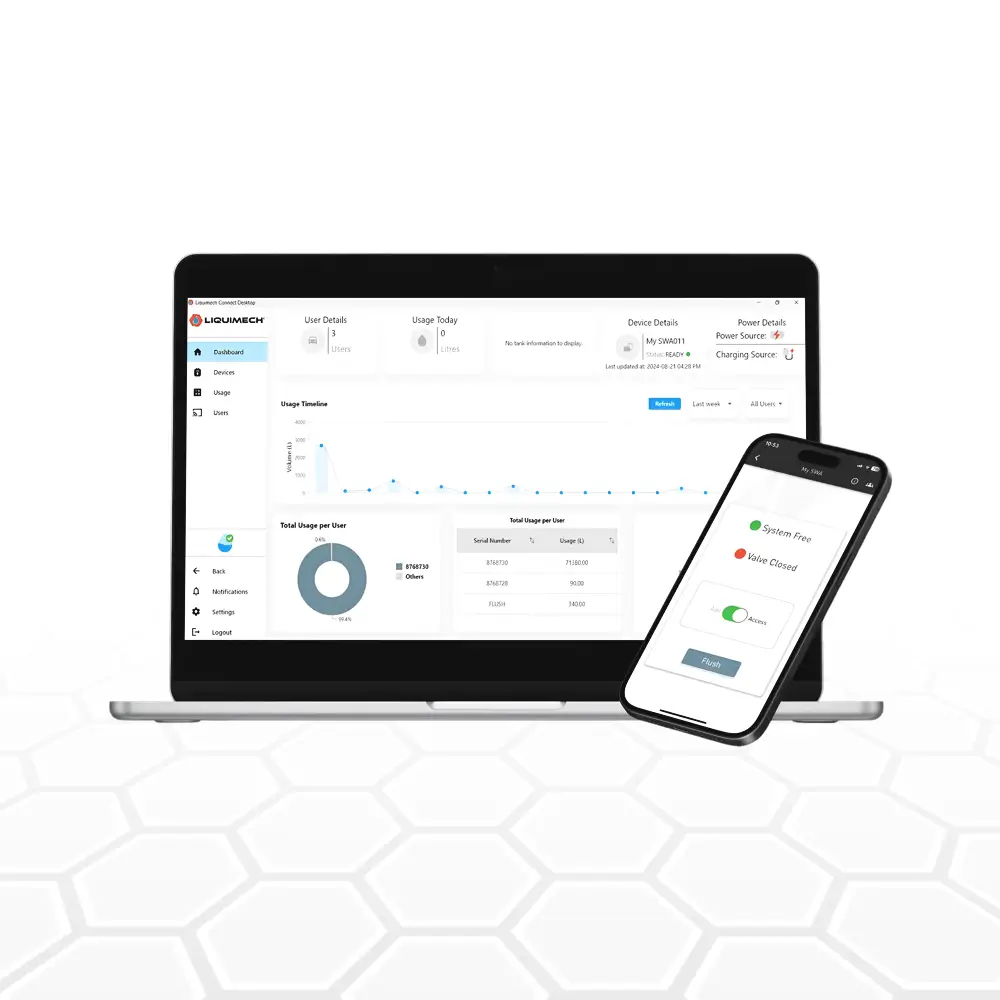
Liquimech Smart Water Access System removes uncertainty from water management by integrating hardware and software into a single controlled platform. These systems regulate access, monitor usage in real time, and provide operators with clear visibility over consumption patterns. Unauthorised extraction is prevented, while operational data highlights inefficiencies before they escalate into resource loss.
In remote environments, this level of control is not simply operationally useful; it is essential for responsible environmental stewardship and long-term resource protection.
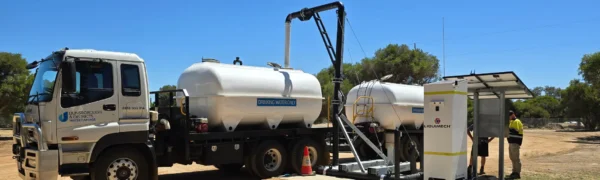
Liquimech water truck standpipes, also known as J-stands or overhead fill points, are designed to support this system with fast and efficient water distribution. Their patented folding structure enables deployment in under 15 minutes and ensures compliance with Australian wind loading standards. Faster turnaround times reduce vehicle idle periods, which in turn lowers fuel consumption and emissions across entire fleets.
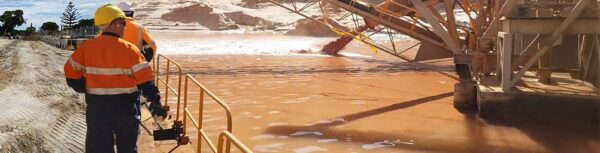
Dust Suppression: Cleaner Air with Responsible Water Use
Dust generation on haul roads, stockpiles, and loading zones is more than a visibility issue. Fine particulate matter can affect air quality, impact worker health, and settle into surrounding ecosystems where it alters soil and water conditions.
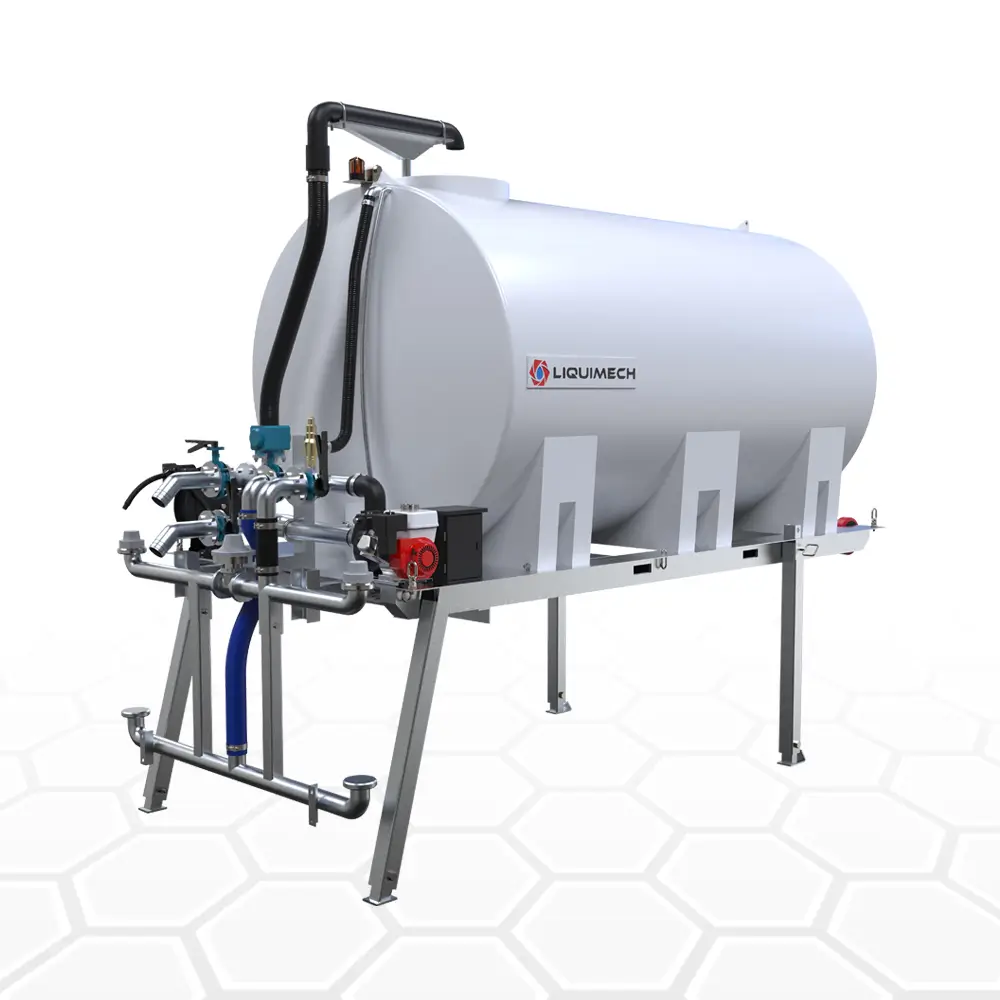
The Liquimech Dust Suppression Tank Sprinkler System is designed to manage dust precisely where it forms, using only the minimum water required to achieve effective suppression. Its modular architecture allows full configuration of spray distance, automation level, tank capacity, and control modes.
When integrated with the Liquimech mobile application, operators can remotely adjust flow rates, pump intervals, and operating modes in real time. This eliminates over-application, reduces water waste, and ensures consistent performance under changing site conditions.
Operating reliably across extreme temperature ranges, the system is engineered for Australian environments where both efficiency and durability are essential. By applying only what is required, it helps preserve water resources while maintaining safe and compliant site conditions.
Fuel Management: Reducing Consumption and Emissions
Fuel represents both a major operational cost and a significant source of direct carbon emissions in heavy industry. Without precise monitoring and control, inefficiencies accumulate quickly through overuse, poor storage practices, and preventable losses.
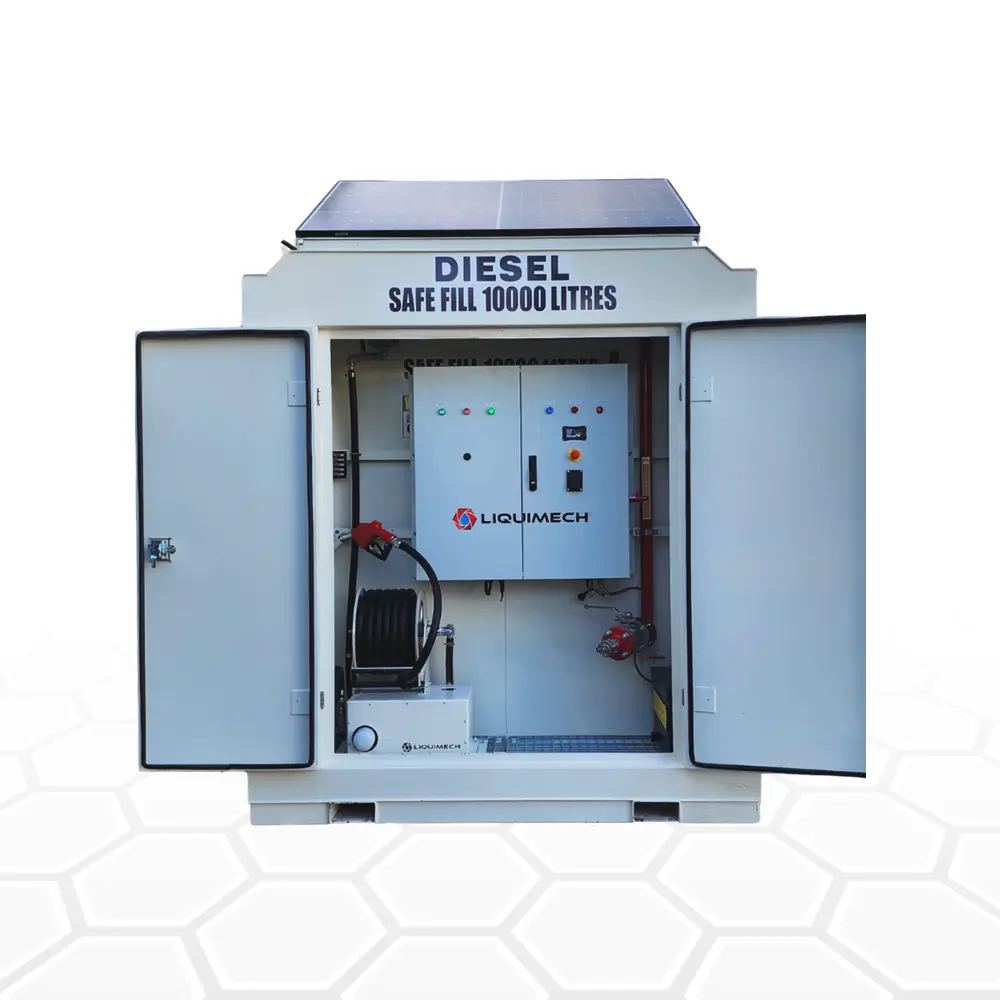
Liquimech’s integrated fuel management system combines solar-powered hardware, precision dispensing units, and real-time tank monitoring sensors with advanced software controls. Every fuel transaction is recorded, including user identification, volume, and timestamp.
This level of visibility creates accountability across operations. It allows inefficiencies to be identified and corrected, reduces unnecessary fuel burn, and supports structured reporting without additional manual processes.
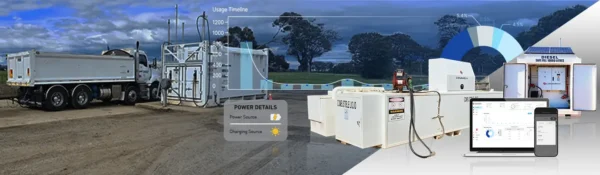
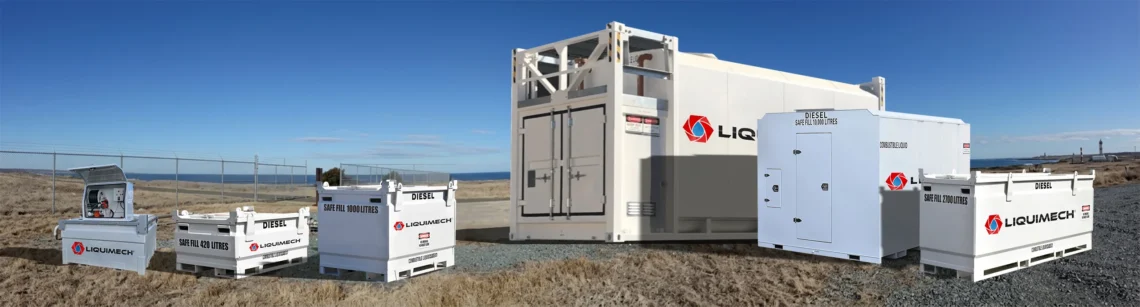
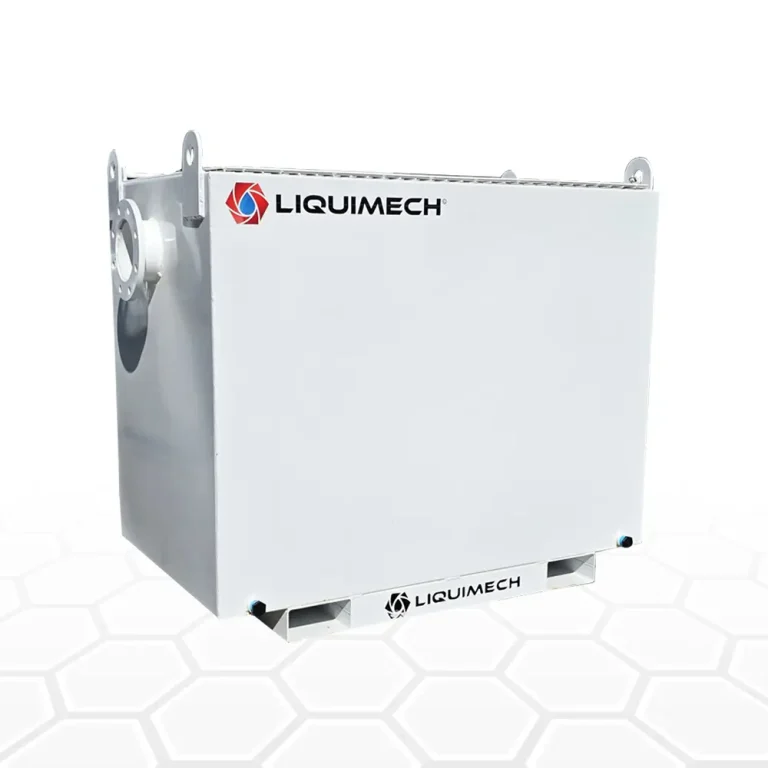
Self-bunded fuel tanks provide the physical containment layer of this system. Designed with a double-wall structure, the inner tank is fully enclosed within an external bund capable of containing more than 110 percent of its capacity. In the event of a leak or overfill, fuel remains contained within the system rather than entering surrounding soil or groundwater.
Manufactured to AS1940 and AS1692 standards, these systems are designed specifically for Australian environmental and regulatory conditions.
Water Treatment: Controlling What Leaves The Site
Runoff from mining and construction activities remains one of the most significant sources of industrial water contamination. Sediment, hydrocarbons, heavy metals, and suspended solids can easily enter natural waterways if not properly managed at the source.
Liquimech sediment tanks are engineered to intercept contaminated water before it leaves the operational boundary. These systems capture suspended materials, support compliant discharge processes, and reduce the environmental burden on surrounding ecosystems. Their simplified design ensures ease of maintenance, allowing consistent performance throughout the lifecycle of a project.
For higher-load applications, Liquimech lamella plate clarifiers provide advanced sedimentation performance. Using inclined plate technology, they significantly increase effective settling area and improve separation efficiency for a wide range of contaminants, including grit, oils, metals, and fine suspended solids. The result is treated water suitable for reuse or controlled discharge, achieved within a significantly reduced physical footprint compared to conventional systems.
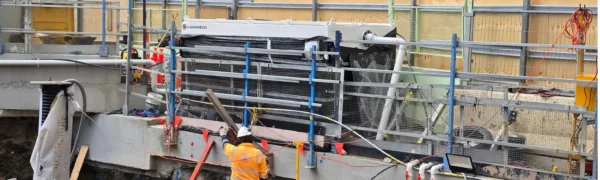
Underground Dewatering: Closing The Loop Below Surface
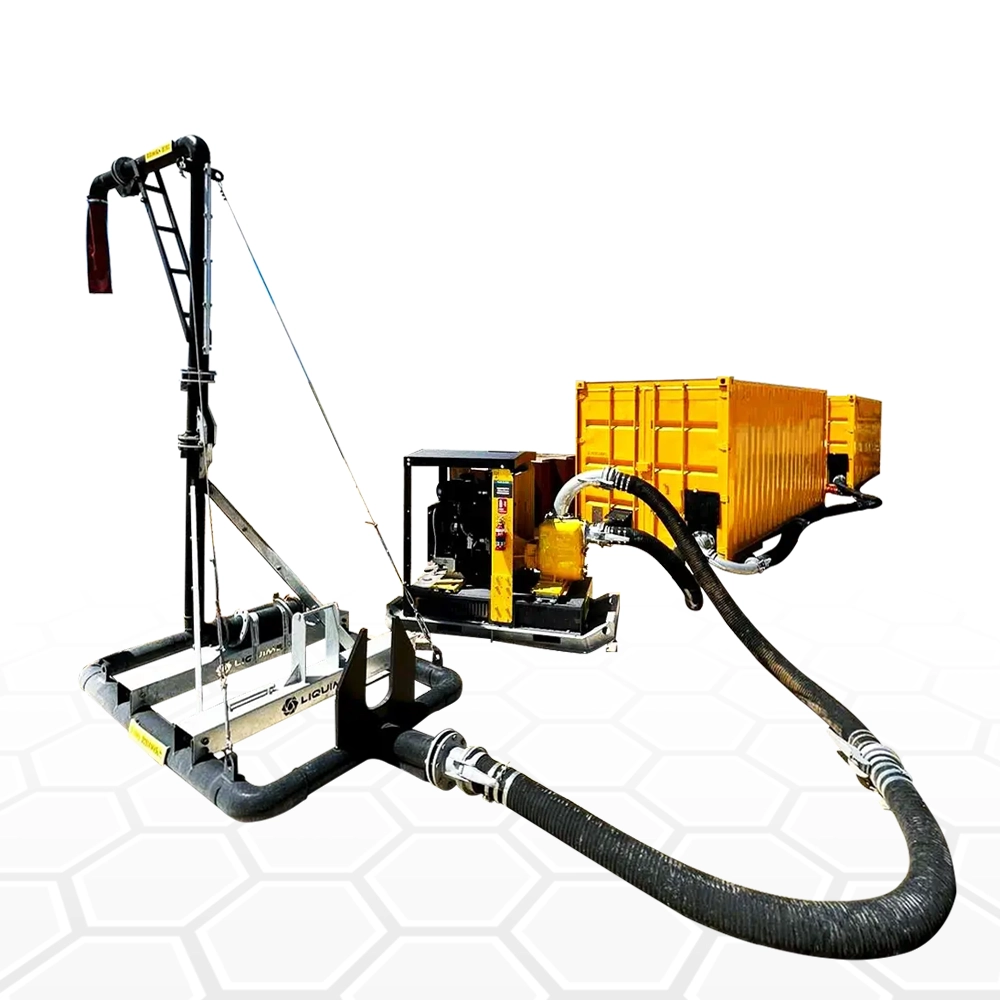
Underground mining operations generate continuous volumes of contaminated water that must be managed to maintain safe working conditions. Traditional systems rely on pumping this water to surface-level treatment or storage, often creating secondary environmental impacts through sediment accumulation and surface disturbance.
Liquimech’s patented underground dewatering system introduces a more efficient approach. A vortex separation process begins immediately as water enters the system, separating heavier particles from cleaner water. A secondary stage refines this separation using controlled flow dynamics and internal baffles. Clean water is directed through a proprietary weir system, while sludge is automatically cycled for removal when thresholds are reached.
This automated process reduces surface disturbance, minimises tailings accumulation, extends equipment lifespan, and improves overall water recovery efficiency.
Sustainable Chemical Handling: Precision as Environmental Protection
Chemical management in industrial and agricultural environments requires a high level of precision. Over-application, incorrect mixing, or uncontrolled release can result in long-term soil degradation and water contamination.
Liquimech’s Mixsure chemical mixing system is designed to eliminate these risks through automated, high-precision formulation control. Capable of handling multiple liquid and dry inputs, it ensures accurate dosing with minimal waste and consistent repeatability across applications.
This level of control is particularly important in rehabilitation and land restoration projects, where ecological recovery depends on exact chemical balance and controlled environmental inputs.
Hdpe Pipelines: Durable Infrastructure with Lower Environmental Impact
Pipeline systems play a critical role in industrial liquid transfer, and the choice of material has direct implications for environmental performance. Liquimech uses high-density polyethylene (HDPE) due to its durability, corrosion resistance, and long operational lifespan.
Unlike traditional materials, HDPE does not corrode, degrade, or leach contaminants into transported fluids. Its extended service life reduces the need for replacement, lowering material consumption, transport emissions, and site disruption over time.
Liquimech pipe spooling systems further reduce environmental impact by prefabricating pipeline sections in controlled environments. This minimises on-site fabrication, reduces waste generation, and shortens installation timelines, resulting in lower operational disturbance across sensitive environments.
Telemetry: Real-Time Environmental Control
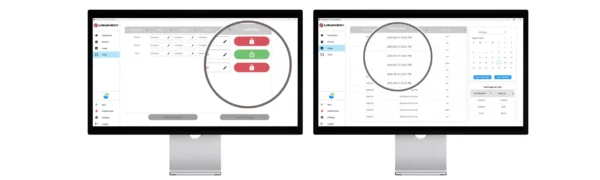
Effective environmental management depends on accurate and continuous data. Liquimech telemetry systems provide real-time monitoring of critical site variables including water levels, fuel consumption, pump activity, environmental conditions, and system performance.
By combining multiple sensor inputs into a unified operational picture, these systems enable proactive decision-making. Operators can detect anomalies early, prevent inefficiencies from escalating, and respond to environmental changes in real time rather than after impact occurs.
Remote monitoring also reduces the need for physical site inspections, lowering transport emissions and improving operational efficiency across dispersed or remote sites.
Mobile Solutions: Sustainability In Motion
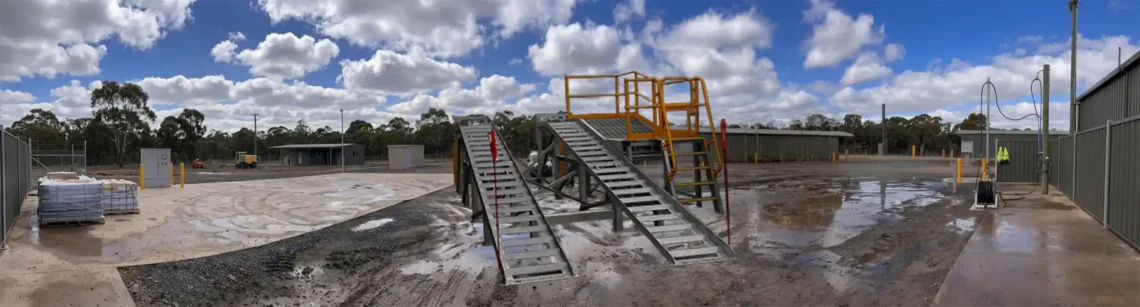
Environmental control must often extend beyond fixed infrastructure. Liquimech mobile systems, including slip-on water carts, firefighting trailers, and washdown ramps, ensure sustainability measures can be deployed wherever operations are active.
These systems reduce the need for dedicated equipment fleets, minimise transport requirements, and provide immediate environmental protection in dynamic site conditions. They allow dust control, fire response, and contamination management to move with the operation rather than remain fixed to infrastructure boundaries.
The Bigger Picture
Sustainable industrial operations are not achieved through isolated technologies or single-point solutions. They require integrated systems that manage water, fuel, chemicals, and environmental data in a coordinated way.
Liquimech builds these systems through custom engineering tailored to each site’s operational demands, environmental conditions, and regulatory requirements. In Australia’s most sensitive industrial regions, from mining zones to agricultural catchments, this integration is essential for reducing environmental impact while maintaining productivity.
About Liquimech: Reducing Environmental Impact Through Engineering
Liquimech is an Australian-owned engineering company that delivers custom liquid management systems for mining, civil, construction, industrial, and agricultural operations. We design and construct integrated solutions that manage water, fuel, chemicals, and process fluids with a strong focus on safety, efficiency, and environmental performance.
Our systems include water access infrastructure, J stands, dust suppression, fuel management, sediment control, lamella clarification, underground dewatering, HDPE pipeline fabrication, chemical mixing systems, bulk storage solutions, telemetry, and mobile liquid management equipment. Every system is engineered in line with Australian Standards and developed to improve operational reliability while reducing environmental impact across demanding site conditions.