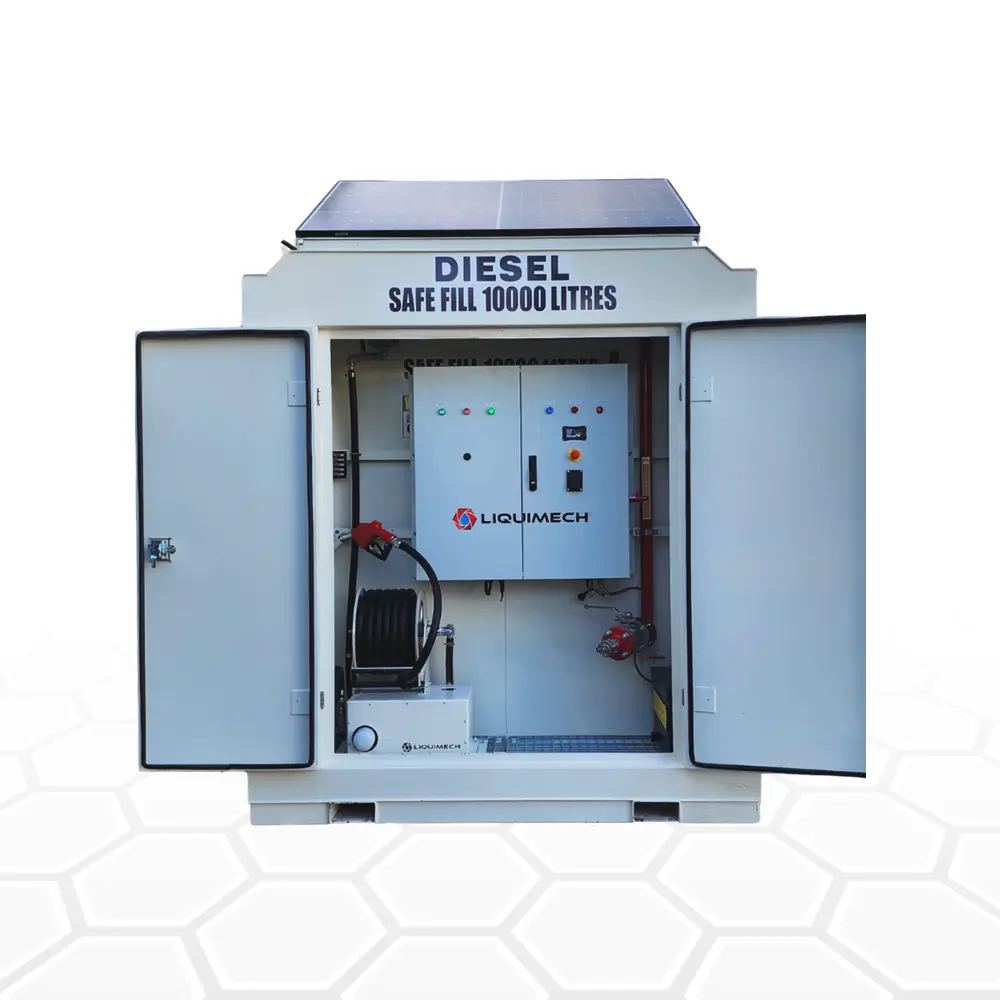
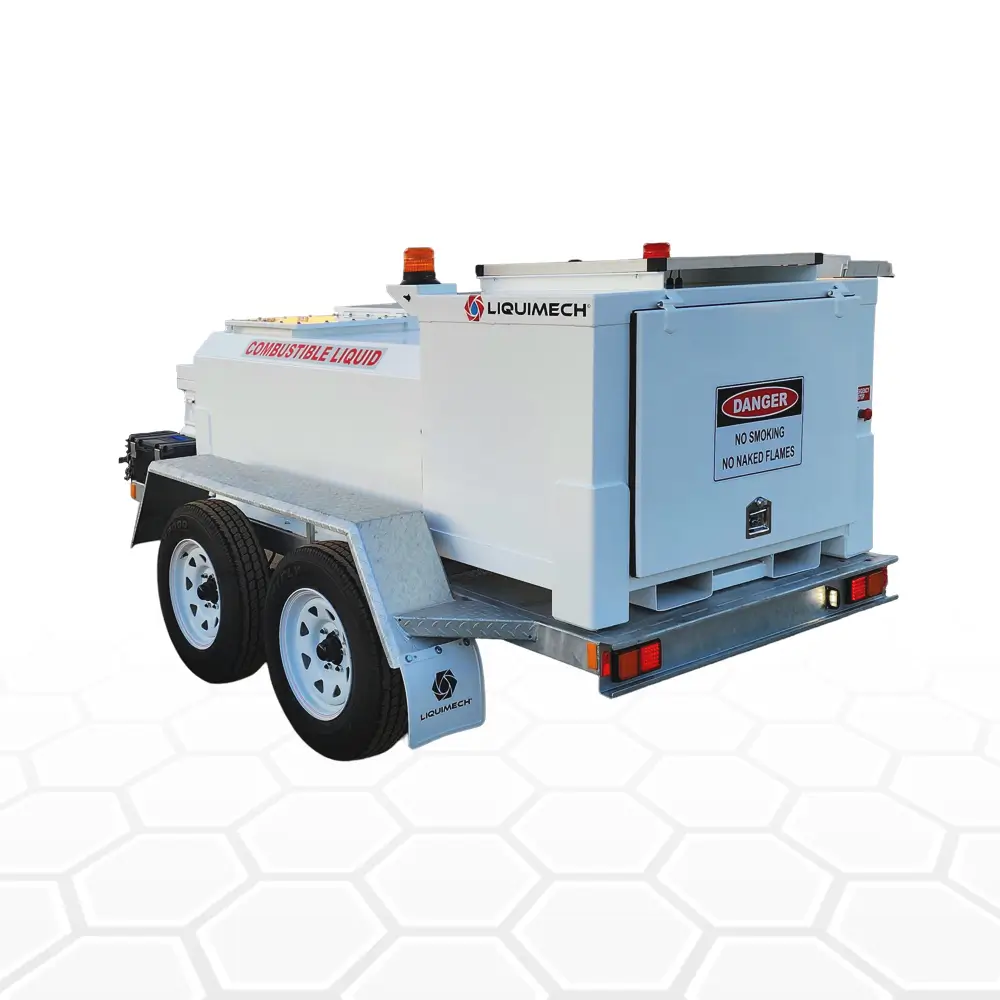
For mining, construction, civil and remote industrial operations, reliable diesel storage is essential to keeping equipment moving. But storing bulk fuel involves more than choosing a tank with enough capacity.
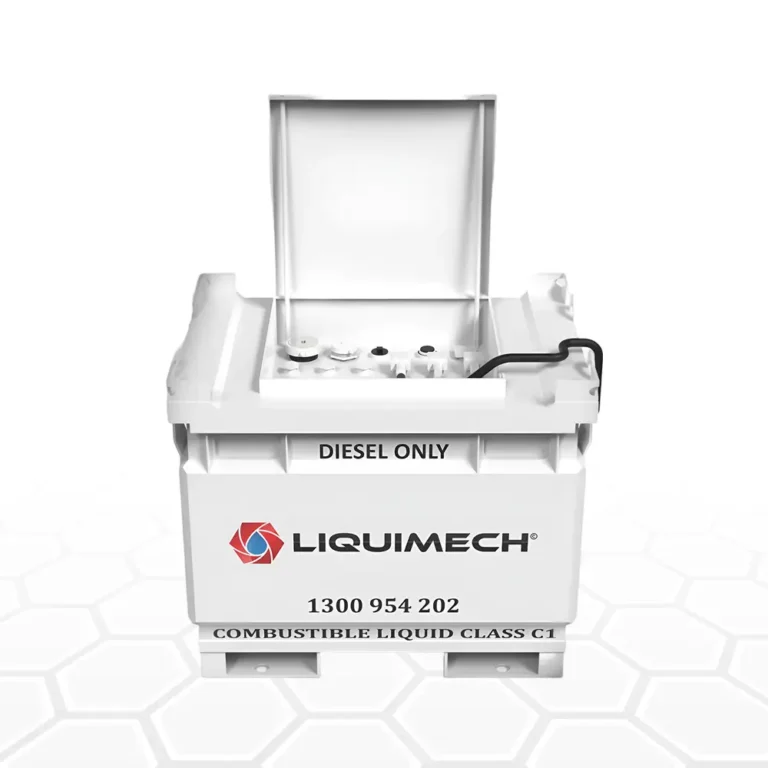
A Bunded Diesel Tank combines primary diesel storage with secondary containment to help manage spill risk and protect surrounding areas. For demanding Australian sites, the right tank also needs to suit the operating environment, site layout, refuelling requirements and applicable safety standards.
Whether you need portable diesel storage for a temporary project or a larger bulk fuel storage solution for a mining operation, the tank should be considered as part of the complete fuel-management system.
This guide explains how Bunded Diesel Tanks work, the advantages of self-bunded storage, key considerations for Australian sites, and how to integrate diesel storage with pumping, filtration and Fuel Management Systems.
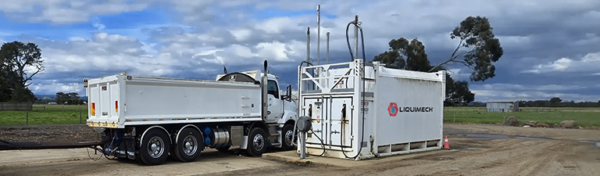
Key Takeaways
- A Bunded Diesel Tank combines primary fuel storage with integrated secondary containment.
- Self-bunded and double-wall tank designs can reduce the need for separate external bunding and provide greater flexibility for industrial and remote sites.
- Tank construction, ventilation, corrosion protection, access and handling provisions should be selected for the operating environment.
- Australian diesel storage installations need to consider AS 1940, WHS requirements and applicable state or territory regulations.
- The right diesel storage tank capacity depends on fuel consumption, fleet size, delivery frequency, site access and operational requirements.
- Pumps, filtration, metering and Fuel Management Systems (FMS) can be integrated with bulk fuel storage to improve refuelling control and fuel visibility.
- For mining and construction applications, a Bunded Diesel Tank should be selected as part of the wider site fuel-management strategy rather than as a standalone storage vessel.
Why Does Diesel Storage Need Secondary Containment?
Storing large volumes of diesel requires consideration beyond tank capacity. A leak from the storage tank or connected fuel equipment can create environmental, safety and operational risks. Secondary containment provides an additional barrier designed to retain fuel in the event of a release. This can help reduce the potential for diesel to reach surrounding ground or drainage systems.
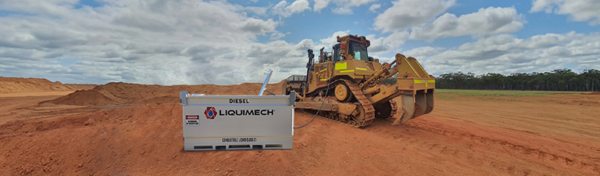
How Does Self-Bunded Storage Differ?
A self-bunded diesel tank incorporates its secondary containment into the tank assembly rather than relying on a separate external bund. This tank-within-a-tank arrangement can provide a more compact approach to fuel storage and may reduce the need for extensive permanent civil works, depending on the installation. For sites where space, mobility or future relocation are considerations, this can make self-bunded storage a practical option.
The appropriate tank configuration and containment requirements will depend on the site, installation and applicable standards.
Advantages of Self-Bunded Fuel Storage
A self-bunded diesel storage tank can provide several practical benefits:
| Benefit | Description |
|---|---|
| Integrated Secondary Containment | Containment is incorporated into the tank design. |
| Reduced Civil Works | Can reduce reliance on large permanent external bund structures. |
| Portability | Some tank configurations can be relocated as project requirements change. |
| Compact Footprint | Useful where site space is limited. |
| Faster Deployment | Less extensive civil construction may be required compared with a permanent external bund arrangement. |
| Flexible Site Use | Suitable for temporary works, remote projects, depots and changing construction sites. |
A self-bunded tank does not eliminate the need for site preparation or compliance planning. The installation still needs a suitable foundation, access, separation distances, fire-safety controls and other measures applicable to the site.
For projects where fuel infrastructure needs to move with the operation, however, self-bunded storage can offer a significant practical advantage.
Engineering Bunded Diesel Tanks for Harsh Australian Conditions
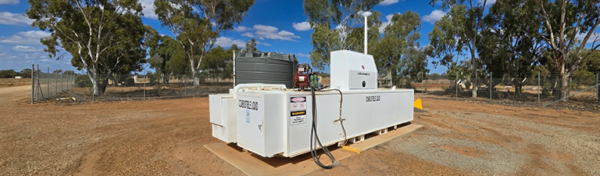
Fuel storage equipment used in mining, construction and remote industrial environments can be exposed to heat, dust, vibration, weather and heavy vehicle movements. A Bunded Diesel Tank therefore needs to be selected for more than its storage capacity.
Important design considerations can include:
- Structural strength
- Corrosion protection
- External coatings
- Ventilation
- Access for inspection and maintenance
- Lifting and handling provisions
- Forklift pockets or lifting points where applicable
- Protection of pumps and dispensing equipment
- Site-specific environmental conditions
- Transport and mobilisation requirements
For heavy-duty applications, appropriately engineered carbon steel construction can provide the structural strength and durability required for demanding fuel-storage environments.
The tank configuration should also account for the loads associated with transport, lifting, installation and operation.
Heat, Fuel Expansion and Condensation
Australian conditions can place additional demands on diesel storage. Fuel expands as temperatures rise, while temperature changes can contribute to condensation and moisture within the fuel system. Tank design should therefore account for appropriate ventilation, pressure management and protection of fuel quality. External finishes can also be selected according to the operating environment.
Ventilation and Pressure Management
Effective ventilation is an important part of diesel storage and handling. Tank venting and pressure-management arrangements should be appropriate to the tank design, installation and applicable standards. Fuel storage systems should also minimise the entry of dust, moisture and other contaminants during normal operation. Suitable filtration and fuel-handling equipment can help maintain fuel quality through to dispensing.
The objective is straightforward: safe storage and a reliable supply of usable fuel.
Security and Theft Prevention
Fuel can represent a significant operating cost, particularly on mining, construction and remote industrial sites. Diesel storage should therefore consider both physical security and visibility over fuel use.
Depending on the configuration, measures may include:
| Security Measure | Purpose |
| Lockable Pump Bays | Restrict access to dispensing equipment. |
| Secure Access Hatches | Help prevent unauthorised access to tank components. |
| Controlled Dispensing | Limit who can access and dispense fuel. |
| Anti-Siphon Arrangements | Help reduce unauthorised fuel removal where applicable. |
| Electronic Fuel Authorisation | Control access through authorised users or credentials. |
| Fuel Transaction Records | Provide visibility over dispensing activity. |
| Fuel-Level Monitoring | Help track fuel levels and identify unusual changes. |
Bunded Diesel Tank Compliance: AS 1940 and Australian Requirements
Choosing a Bunded Diesel Tank is only one part of establishing a suitable diesel storage installation. Australian diesel storage may be subject to AS 1940 The Storage and Handling of Flammable and Combustible Liquids, along with applicable WHS, environmental and state or territory requirements.
The requirements can vary according to the fuel, storage volume, tank configuration, location and how the fuel is transferred or dispensed. Compliance should therefore be assessed for the specific installation, rather than assumed from the tank type alone.
What Does AS 1940 Cover?
AS 1940 provides requirements and guidance for the storage and handling of flammable and combustible liquids. Depending on the installation, relevant considerations may include:
| Area | Key Consideration |
| Tank Construction | Suitability of the tank and materials for the intended application. |
| Secondary Containment | Measures for containing potential fuel releases. |
| Tank Location | Appropriate positioning within the site. |
| Separation Distances | Required clearances from buildings, boundaries and other areas. |
| Ventilation | Suitable arrangements for the tank and fuel system. |
| Fuel Transfer | Safe filling, dispensing and transfer arrangements. |
| Fire Protection | Appropriate fire-protection measures for the installation. |
| Access & Emergency Response | Safe access for operators, maintenance and emergency response. |
| Ignition Sources | Management of potential ignition sources around the storage area. |
The applicable requirements should be confirmed for the individual installation, including any requirements imposed by the relevant state or territory regulator.
Environmental Protection
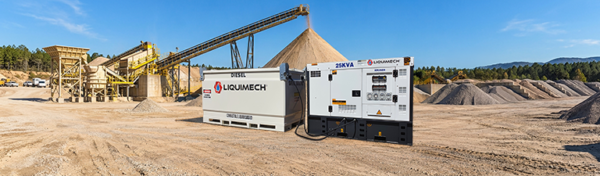
Fuel containment is also an important environmental consideration. The storage area should be planned to reduce the likelihood of diesel reaching soil, waterways or drainage systems following a leak or spill.
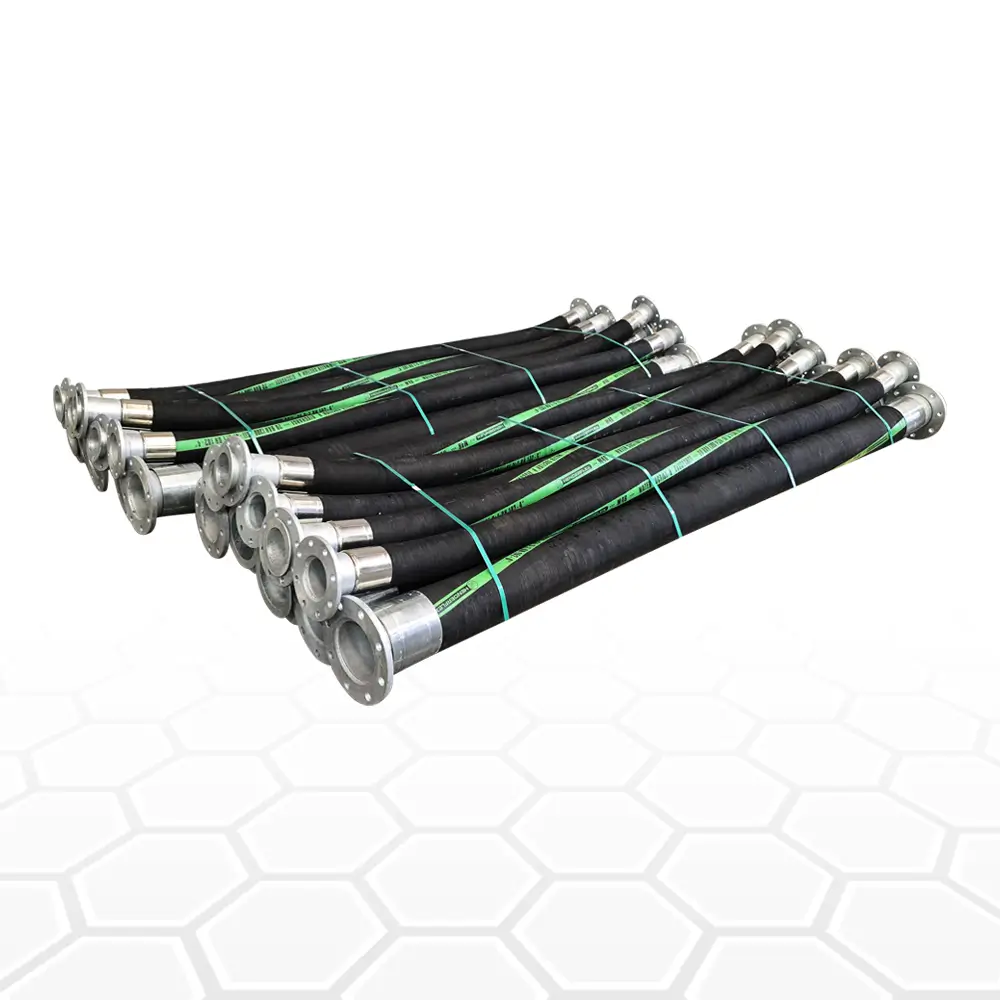
This involves more than the tank itself. Dispensing equipment, hoses, pipework, drainage and spill-response procedures should also be considered.
Environmental requirements can vary between Australian states and territories, so site-specific obligations should be confirmed before installation.
Placarding and Site Identification
Depending on the quantity and circumstances of storage, hazardous chemical placarding and other site identification requirements may apply.
Appropriate identification helps workers and emergency responders understand the hazards associated with stored fuel. Requirements should be confirmed against the applicable state or territory framework for the installation.
Tank Placement and Site Layout
Where a Bunded Diesel Tank is installed can be just as important as the tank itself.
Site planning may need to consider:
- Separation from buildings and protected areas
- Property boundaries
- Potential ignition sources
- Vehicle and equipment movements
- Emergency access
- Fire-protection equipment
- Drainage
- Environmentally sensitive areas
- Fuel delivery and refuelling access
- Space for inspection and maintenance
There is no single site layout that applies to every installation. Separation distances and other requirements should be determined based on the specific tank, fuel, quantity and site conditions.
Inspection and Maintenance
A Bunded Diesel Tank should be treated as an ongoing piece of site infrastructure rather than a set-and-forget asset.
Inspection and maintenance requirements depend on the tank design, associated equipment, manufacturer requirements, applicable standards and site procedures.
Routine checks may include:
- Leaks or signs of fuel loss
- Tank or coating damage
- Pump and hose condition
- Valves and fittings
- Ventilation arrangements
- Fuel contamination
- Dispensing equipment
- Damage from vehicles or site activity
Maintaining appropriate inspection records and addressing issues promptly can help keep the diesel storage system suitable for continued operation.
Choosing the Right Bunded Diesel Tank Capacity
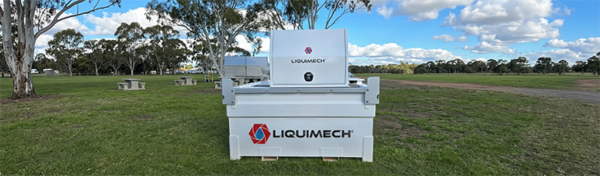
The right Bunded Diesel Tank capacity depends on how the site consumes and replenishes fuel. The largest tank is not necessarily the best option.
Consider:
Daily Fuel Consumption
Estimate the site’s normal and peak diesel consumption across the equipment fleet. A mining operation running large mobile equipment will have very different requirements from a small civil construction project.
Fuel Delivery Frequency
Consider how often fuel can be delivered and how easily tankers can access the site. Remote projects may need greater storage capacity where delivery times are longer or access can be affected by weather and site conditions.
Fleet Size
The number and type of vehicles and equipment directly affect fuel demand. Haul trucks, excavators, generators, water carts and other diesel-powered equipment can create significantly different consumption profiles.
Site Footprint
The available space for the Bunded Diesel Tank, dispensing area and vehicle access should be considered during the planning stage. A larger tank is only useful if it can be safely accommodated within the available site footprint.
Future Expansion
If fuel demand is expected to increase, the storage system should be considered against the project’s expected operating requirements rather than today’s consumption alone. The objective is to balance fuel availability, delivery logistics, site constraints and capital investment.
Optimising Fuel Management: From Storage to Refuelling
Bulk fuel storage is only the first stage of the fuel-management process. A Bunded Diesel Tank can be integrated with pumps, filtration, metering and fuel-management technology to create a complete refuelling system.
This can help address common site challenges such as:
- Slow refuelling
- Uncontrolled fuel access
- Manual fuel records
- Limited visibility over fuel consumption
- Fuel losses that are difficult to trace
- Contaminated fuel
- Unnecessary vehicle downtime
The goal is to make fuel available when the equipment needs it while maintaining control over how that fuel is stored and dispensed.
High-Flow Diesel Pump Systems
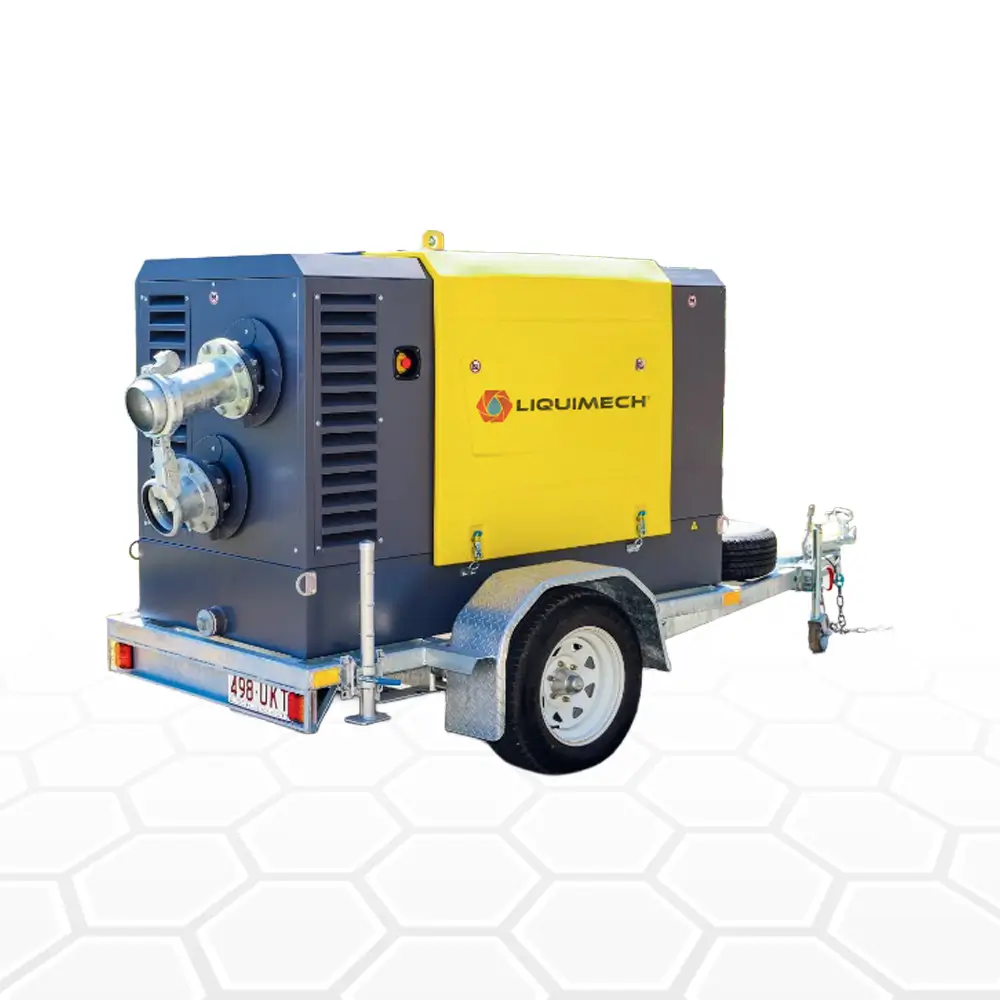
Pump capacity should match the required fuel flow rate and operating conditions. High-flow pumps can reduce refuelling time for high-volume operations. The pump, tank, hose, pipework, filtration and dispensing equipment should be specified as a complete system.
Fuel Filtration and Conditioning
Water, dust and particulate contamination can affect diesel fuel systems and equipment. Suitable filtration and water-separation equipment can help protect fuel before dispensing. Filtration should be selected for the fuel, equipment and operating conditions. Regular inspection and maintenance are required to maintain fuel quality.
Digital Fuel Tracking and Monitoring
FMS can provide visibility over fuel dispensing, inventory and usage.
Depending on the configuration, features can include:
| Feature | Function |
|---|---|
| RFID / Electronic Identification | Controls access to authorised users. |
| PIN-Based Access | Restricts fuel dispensing. |
| Metered Dispensing | Records fuel quantities dispensed. |
| Transaction Records | Tracks fuel transactions. |
| Tank-Level Monitoring | Monitors available fuel. |
| Low-Level Alerts | Identifies low fuel levels. |
| Multi-Pump / Multi-Nozzle Management | Supports multiple dispensing points. |
| Fuel Usage Reporting | Tracks fuel consumption. |
For operations managing multiple vehicles, shifts or locations, digital fuel tracking can improve fuel accountability and reduce reliance on manual records.
Diesel Storage for Mining and Construction
Mining and construction sites can involve:
- Remote locations
- Temporary or changing work areas
- Dust and harsh weather
- Large equipment fleets
- Extended operating hours
- Fuel delivery constraints
- Limited site space
Custom Industrial Diesel Storage Solutions
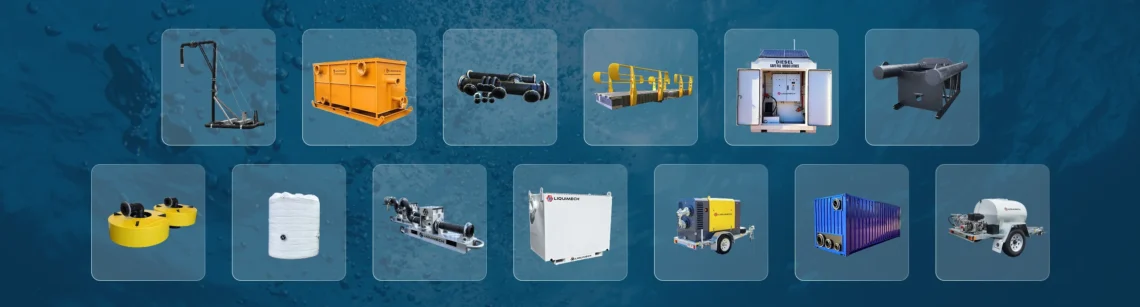
Every project has different diesel storage requirements. Liquimech develops diesel storage and fuel-management solutions around the capacity, dispensing, monitoring and operational needs of each application.
Solutions can incorporate:
- Bunded Diesel Tanks
- Bulk fuel storage
- Pump and dispensing systems
- High-flow refuelling
- Fuel filtration
- Truck-fill solutions
- Fuel Management Systems
- Integrated fuel-management equipment
The Liquimech Advantage
Liquimech looks beyond the tank to deliver integrated fuel-storage and refuelling solutions. Storage, pumping, dispensing, filtration and fuel management can be combined to create a system suited to the way fuel is used on site. For mining, construction and remote projects, this can include consideration of vehicle access, refuelling flow, available space, maintenance, mobilisation and integration with other site infrastructure.
Planning Your Bunded Diesel Tank Installation
Before selecting a Bunded Diesel Tank, define the site’s operating requirements.
Ask:
- How much diesel does the site consume each day?
- What is the expected peak fuel demand?
- How often can fuel be delivered?
- How large is the equipment fleet?
- Is the project temporary or permanent?
- Will the tank need to be relocated?
- What space is available?
- What fuel flow rate is required?
- Is fuel tracking required?
- What filtration is appropriate?
- What Australian Standards and local requirements apply?
- Does the system need to integrate with other site equipment?
These answers help determine the appropriate diesel storage tank capacity, configuration and supporting equipment. A properly engineered system can then be designed around the site’s actual operating conditions rather than simply selecting a tank by volume.
Liquimech provides engineered fuel-storage and liquid-management solutions for demanding industrial applications.
If you are planning a new diesel storage installation, upgrading an existing fuel system or looking for an integrated Bunded Diesel Tank and FMS, talk to Liquimech about your site requirements.
Frequently Asked Questions
Why Choose a Bunded Diesel Tank?
A Bunded Diesel Tank combines diesel storage with secondary containment, making it a practical solution where fuel storage and spill protection need to be considered together.
What is the difference between a self-bunded tank and a double-wall tank?
The terms are often used to describe similar tank constructions involving a primary storage vessel and an outer containment structure.“Double-wall” describes the physical construction, while “self-bunded” generally refers to a tank with integrated secondary containment. The exact construction and containment capacity should be confirmed against the manufacturer’s documentation and the requirements applicable to the installation.
Does a Bunded Diesel Tank require a concrete slab or bund wall?
A self-bunded tank does not necessarily require a separate traditional concrete bund wall because secondary containment is incorporated into the tank. However, the tank still requires a suitable foundation and site preparation appropriate to its size, weight, ground conditions and installation.
What capacity Bunded Diesel Tank do I need?
The appropriate capacity depends on fuel consumption, fleet size, delivery frequency, site access and operating requirements. Start by calculating normal and peak diesel consumption, then consider how frequently fuel can be replenished and the consequences of a delayed delivery. Remote mining and construction sites may require greater storage capacity than sites with frequent and reliable fuel deliveries.
Are Bunded Diesel Tanks suitable for transport between sites?
Some Bunded Diesel Tanks are designed with transport and handling in mind, but transport requirements vary between tank configurations. Factors can include tank design, fuel quantity, lifting arrangements, road requirements and applicable dangerous-goods regulations. A tank should only be transported in accordance with its manufacturer’s requirements and the regulations applicable to the movement.
How often should a Bunded Diesel Tank be inspected?
There is no single inspection schedule that applies to every Bunded Diesel Tank. Inspection and maintenance requirements depend on the tank design, associated equipment, manufacturer requirements, applicable standards and site procedures. Routine checks should identify issues such as leaks, damage, hose deterioration, pump problems, damaged fittings and contamination. The appropriate formal inspection and maintenance schedule should be established for the specific installation.
What are the fire-safety requirements for on-site diesel storage?
Fire-safety requirements depend on the fuel classification, storage quantity, tank configuration and site conditions. Considerations can include separation from ignition sources, site layout, ventilation, signage and placarding, emergency access and appropriate fire-protection equipment. The installation should be assessed against the applicable Australian Standards and state or territory requirements.
How do I prevent water contamination in a bunded fuel tank?
Water and particulate contamination can affect diesel quality and fuel-system components. Good tank design, appropriate ventilation, clean dispensing equipment, filtration, water separation and regular maintenance can help manage contamination risks. Fuel should also be stored and handled according to the requirements of the tank, dispensing equipment and fuel supplier.